BMW iX5 Production Unlocks U.S. EV Manufacturing Milestone
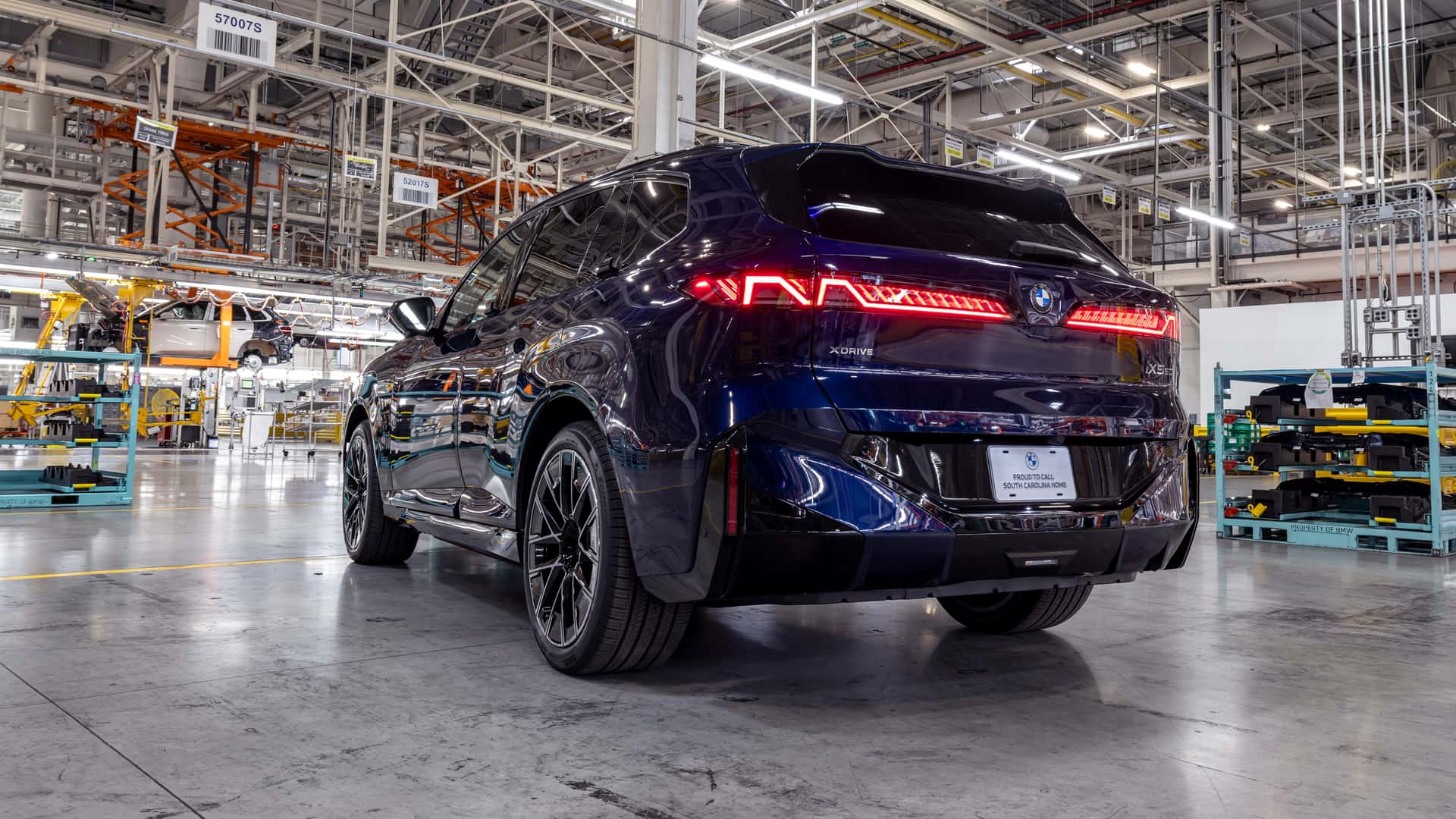
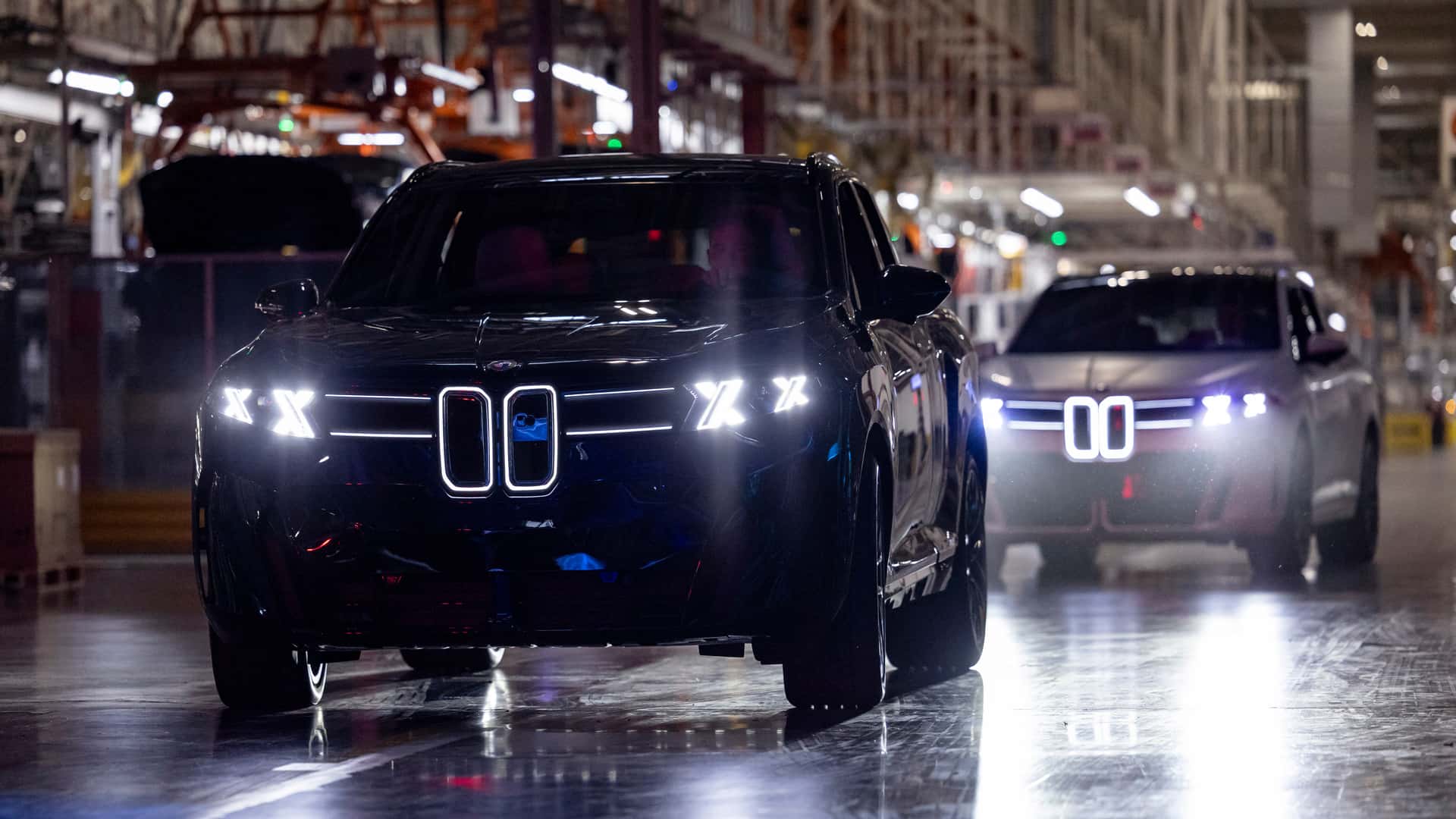
The very first BMW iX5 electric SUVs are now rolling off the assembly line at the company’s plant in Spartanburg, South Carolina. This marks a pivotal moment as it’s the first mass-produced electric vehicle to be built by BMW in the United States.
This initial production run is just the beginning of an expansive strategy, with BMW planning for no fewer than six U.S.-built EVs by the close of the decade.
Table of Contents
Currently, approximately 70 iX5 electric SUVs are being manufactured daily. These vehicles share the assembly line with their internal combustion engine, diesel, and hybrid counterparts, showcasing the flexibility of the X5’s underlying architecture.
This shared platform allows for efficient production of multiple powertrain variants on the same line.
EV Production Targets and Market Dynamics
Initial projections for 2027 indicated a target of 100,000 iX5 units from the Spartanburg facility. However, recent reports suggest this figure has been revised downward to 60,000 units for that year.
While BMW has not officially released specific production volume estimates, a company representative indicated that electric variants are expected to constitute roughly one in four X5 models produced in the near future.
Kavit Antani, general manager of vehicle assembly, noted, “Currently, the market is looking like 20-25 percent EVs for the immediate three months.”
He further elaborated that market perception and adoption rates as these vehicles become more prevalent could influence future demand and production figures.
Suppliers have reportedly been briefed with targets suggesting 175,000 EVs could be produced in 2028 and 2029. Given the volatility observed in the American electric car market over the past two years, these future targets remain subject to significant potential adjustments.
Advanced Battery Technology and Supply Chain Integration
The batteries powering the new BMW iX5 are sourced from a newly established plant located just 15 miles away in Woodruff, South Carolina. These first mass-produced battery packs recently began their journey to the Spartanburg assembly line, where they are integrated into the finished chassis.
Initially, the Gen6 cylindrical cells used in these battery packs are being sourced from AESC in China, as confirmed by BMW. However, the automaker plans to diversify its supply chain towards the end of the decade.
LG Energy Solution is slated to supply locally manufactured cells to BMW’s U.S. facilities, while Samsung SDI will provide batteries for the company’s European factories.
Future EV Rollout and Performance Specifications
BMW remains steadfast in its commitment to producing six distinct EV models in America by 2030. Following the iX5, the lineup is expected to expand with models like the iX7, iX6, and a high-performance variant, the iX5 M, according to industry publications.
This expansion underscores BMW’s strategic pivot towards electrification in its key markets.
The 2027 BMW iX5 boasts impressive performance metrics. It is equipped with a substantial 144-kilowatt-hour battery, capable of recharging from 10% to 80% in a rapid 22 minutes. The vehicle achieves an estimated range of 450 miles on a full charge.
Its dual-motor powertrain delivers a robust 570 horsepower and 594 pound-feet of torque, providing exhilarating acceleration and driving dynamics.
The starting price for the BMW iX5 is set at $79,800, positioning it as a premium offering in the burgeoning electric SUV segment.
Engineering for Flexibility and Market Adaptability
The ability to produce the iX5 alongside traditional powertrains highlights significant engineering advancements in flexible manufacturing. This approach minimizes the need for entirely separate production lines, reducing capital expenditure and increasing operational efficiency.
It allows BMW to adapt production volumes based on fluctuating market demand for different fuel types.
The integration of battery production in close proximity to the main assembly plant is another critical logistical achievement. This reduces transportation costs and lead times for a key component, ensuring a smoother supply chain.
This localized battery production is a crucial step in securing the supply chain for future electric models.
Field Readiness and Strategic Outlook
With approximately 70 units per day currently being produced, the BMW iX5 is demonstrating its readiness for mass-market deployment. The company’s commitment to expanding its U.S. EV production capacity signals a long-term strategic vision focused on electrification and market leadership.
The success of the iX5 will be a key indicator for BMW’s broader electrification strategy in North America. As the market continues to evolve, the flexibility of the Spartanburg plant and the performance of models like the iX5 will be crucial in meeting consumer demand and achieving ambitious sales targets.
Source: InsideEVs Engineering