
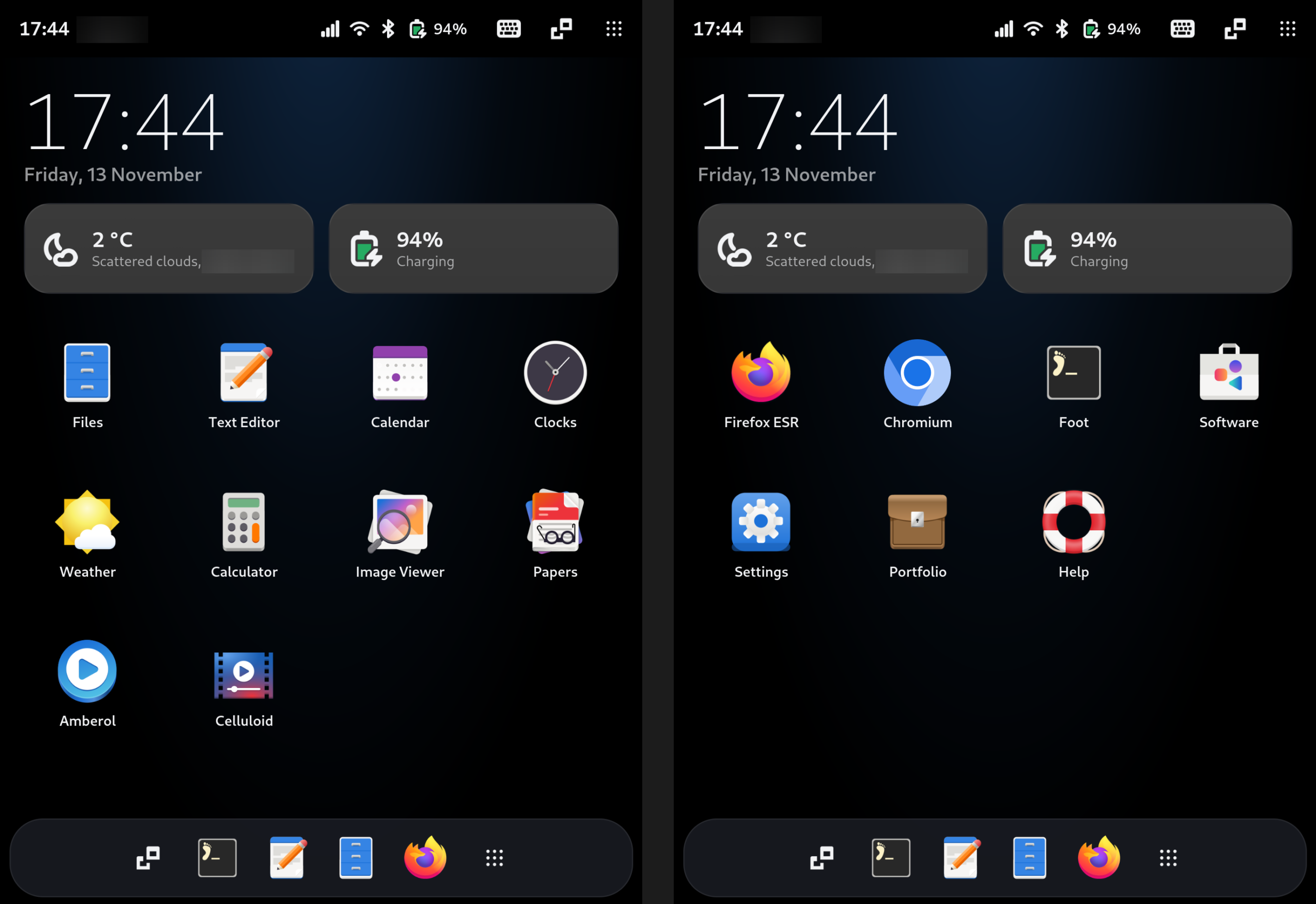
Debian Surface Duo 2: A New Era for Dual-Screen Linux
The OpenDuo project marks a significant milestone, bringing Debian 13 to the Microsoft Surface Duo 2. This ambitious endeavor, spearheaded by [Andy1210] with assistance from Claude, successfully replaces the stock Android environment with a fully functional Linux distribution. The project leverages a custom dual-screen Wayland compositor, a touch-first shell, and a dedicated Settings app designed to harness the unique dual-panel and hinge architecture of the device.
Table of Contents
This port represents a compelling fusion of mobile hardware and robust desktop operating system capabilities. It offers enthusiasts and developers a powerful new platform for experimentation on a device previously confined to its native Android OS. The ability to run a full Debian environment opens up a world of possibilities for productivity and custom application development.
Hardware and Software Architecture
At the core of this achievement is Debian 13 running on Linux kernel 7.3.4. The developers have meticulously maintained the original file structure of the Surface Duo 2. This crucial decision simplifies the process of reverting to the stock Android installation should any issues arise during the Linux deployment.
The build supports key dual-screen functionalities, including the laptop mode and various other device “postures.” Furthermore, it enables the seamless spanning of applications across both displays, offering an expansive and integrated user experience. This capability is particularly noteworthy for multitasking and immersive applications.
Engineering Trade-offs and Limitations
A key advantage of the OpenDuo project is its approach to hardware driver integration. By preserving the stock partitions, Linux can access the firmware already present on the phone. This significantly reduces the common hurdles associated with getting hardware drivers to function correctly on unsupported mobile devices. It bypasses many of the typical driver compatibility issues encountered in mobile Linux projects.
However, the integration is not without its challenges. Certain device functions remain inaccessible, locked behind the device’s “secure world” environment. Additionally, full networking support is still under development, presenting a current limitation for users relying on extensive network connectivity. These constraints highlight the ongoing complexities of deep hardware integration on specialized mobile platforms.
The development echoes past mobile hacking successes, such as the re-implementation of Danger hiptop/Sidekick servers or the creation of a new SDK for the N-gage. These projects demonstrate a persistent drive to push the boundaries of mobile device capabilities beyond their intended use cases.
Field Readiness and Verdict
While the Debian Surface Duo 2 port is a remarkable technical feat, it is currently best suited for advanced users and developers. The existing limitations, particularly concerning networking and secure world functions, mean it is not yet a direct replacement for the daily-driver Android experience for the average user. The project’s success in enabling dual-screen app spanning and posture support is a strong indicator of its potential.
Further development is expected to address the remaining hardware and software integration challenges. The ability to run a full Linux distribution on a dual-screen foldable device like the Surface Duo 2 opens up exciting avenues for mobile computing. This project showcases the power of community-driven innovation in extending the lifespan and utility of existing hardware, much like how GPU acceleration is unlocking new potentials in data processing, for instance, with the GPU-Accelerated DuckDB.
The ongoing development of the Debian Surface Duo 2 port underscores the vibrant ecosystem of open-source software and hardware hacking. As more functionalities are unlocked and stabilized, this project could pave the way for a new generation of versatile mobile computing experiences.
Source: Hackaday Engineering