US Air Force Invests $2.8 Billion in KC-46 Pegasus Air Refuelers
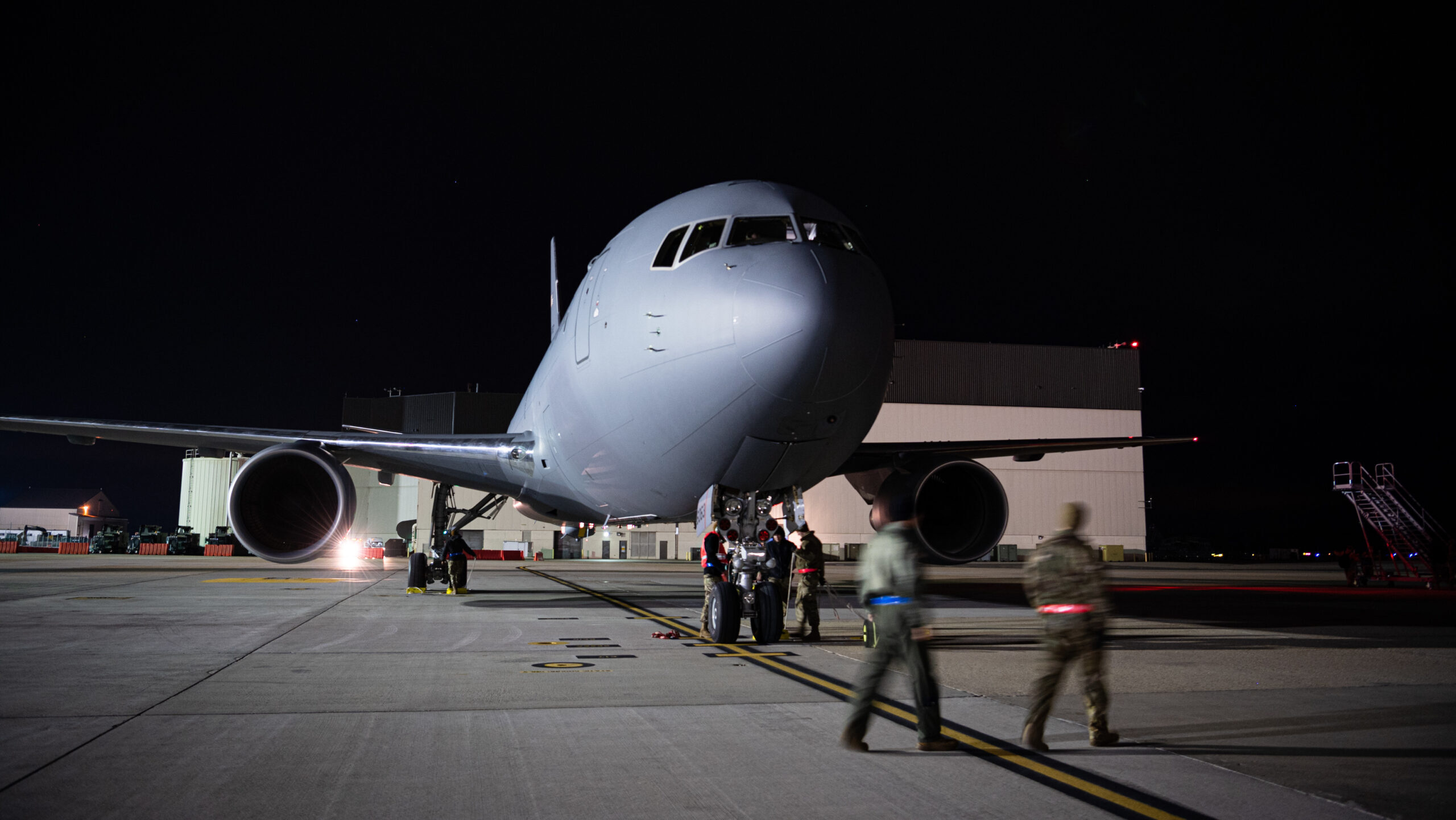
The U.S. Air Force has awarded Boeing a substantial $2.8 billion contract for the 13th production lot of KC-46 Pegasus air refuelers. This significant investment underscores the ongoing commitment to modernizing the nation’s aerial refueling fleet. The contract, announced by the Pentagon, covers the production of 15 new KC-46 aircraft, with completion anticipated by the end of June 2030.
Table of Contents
Jake Kwasnik, Boeing’s vice president for the KC-46 program, expressed gratitude for the Air Force’s continued trust. He highlighted the vital role the KC-46 plays in enabling global military operations and emphasized Boeing’s dedication to supporting the warfighter. This latest award brings the total number of KC-46 refuelers under contract to 203, including international sales.
KC-46 Pegasus Program: Evolution and Future Outlook
The KC-46 Pegasus air refuelers, based on Boeing’s 767 commercial jetliner, are designed to gradually replace the aging KC-135 Stratotanker fleet. Beyond their primary role in aerial refueling, the Pegasus aircraft also possess capabilities for transporting cargo and personnel, similar to other large mobility aircraft. This contract marks the final award under the program’s original fixed-price agreement initiated in 2011, a period marked by significant developmental challenges and production issues for Boeing.
The Air Force plans to continue KC-46 production through a new “extension” program, with orders for up to 75 additional aircraft commencing with Lot 14. However, future deliveries are expected to come with increased costs. A critical condition for proceeding with this extension is the resolution of persistent Category 1 deficiencies, particularly concerning the aircraft’s vision system used for boom refueling.
Addressing Vision System Deficiencies with RVS 2.0
A key upgrade planned for the KC-46 program is the Remote Vision System 2.0 (RVS 2.0). This enhanced system aims to resolve issues with the current vision system, which operators use to guide the refueling boom to receiving aircraft. The Air Force anticipates fielding the RVS 2.0 upgrade starting in early 2028, a crucial step towards ensuring the full operational capability of the KC-46 fleet.
The development and integration of advanced systems like RVS 2.0 highlight the complex engineering challenges inherent in modern military aviation. Similar to the intricate processes involved in developing high-performance computing solutions, such as those seen with NVIDIA cuDSS 1.0 achieving significant speedups for engineering solvers, the KC-46 program requires meticulous attention to detail and continuous technological advancement.
Engineering Trade-offs and Strategic Considerations
The KC-46 program has faced considerable scrutiny due to its lengthy development and associated costs. The initial fixed-price contract, while intended to control expenses, led to billions in losses for Boeing as it navigated unforeseen technical hurdles. The decision to continue production under a new extension program, despite anticipated price increases, reflects the Air Force’s strategic need for modern refueling assets.

The Air Force is simultaneously evaluating long-term solutions for its tanker fleet, including enhancements to existing aircraft. This strategic analysis is vital, especially given evolving geopolitical landscapes and potential future conflict scenarios. Reports, such as one from the Hudson Institute, have suggested exploring entirely new aircraft designs, like blended-wing body concepts, to offer greater range and fuel offload capabilities, particularly in the context of potential near-peer competition.
Field Readiness and Future of Aerial Refueling
The ongoing production and planned upgrades for the KC-46 Pegasus air refuelers are critical for maintaining U.S. airpower projection capabilities. The resolution of the vision system deficiencies and the successful integration of RVS 2.0 will be key indicators of the program’s progress towards full operational readiness. The Air Force’s commitment to addressing these issues before fully embracing the extension program demonstrates a pragmatic approach to fleet modernization.
As the Air Force continues to refine its tanker strategy, the KC-46 Pegasus will remain a cornerstone of its aerial refueling operations for the foreseeable future. The program’s evolution, marked by this latest contract award, reflects the complex interplay between technological development, budgetary constraints, and strategic defense requirements. The insights gained from programs like the KC-46 also inform broader discussions on defense procurement, echoing lessons learned from past contract errors, such as the Air Force’s $16B Propulsion Contract Error, which unlocked key insights into acquisition processes.
Source: Breaking Defense