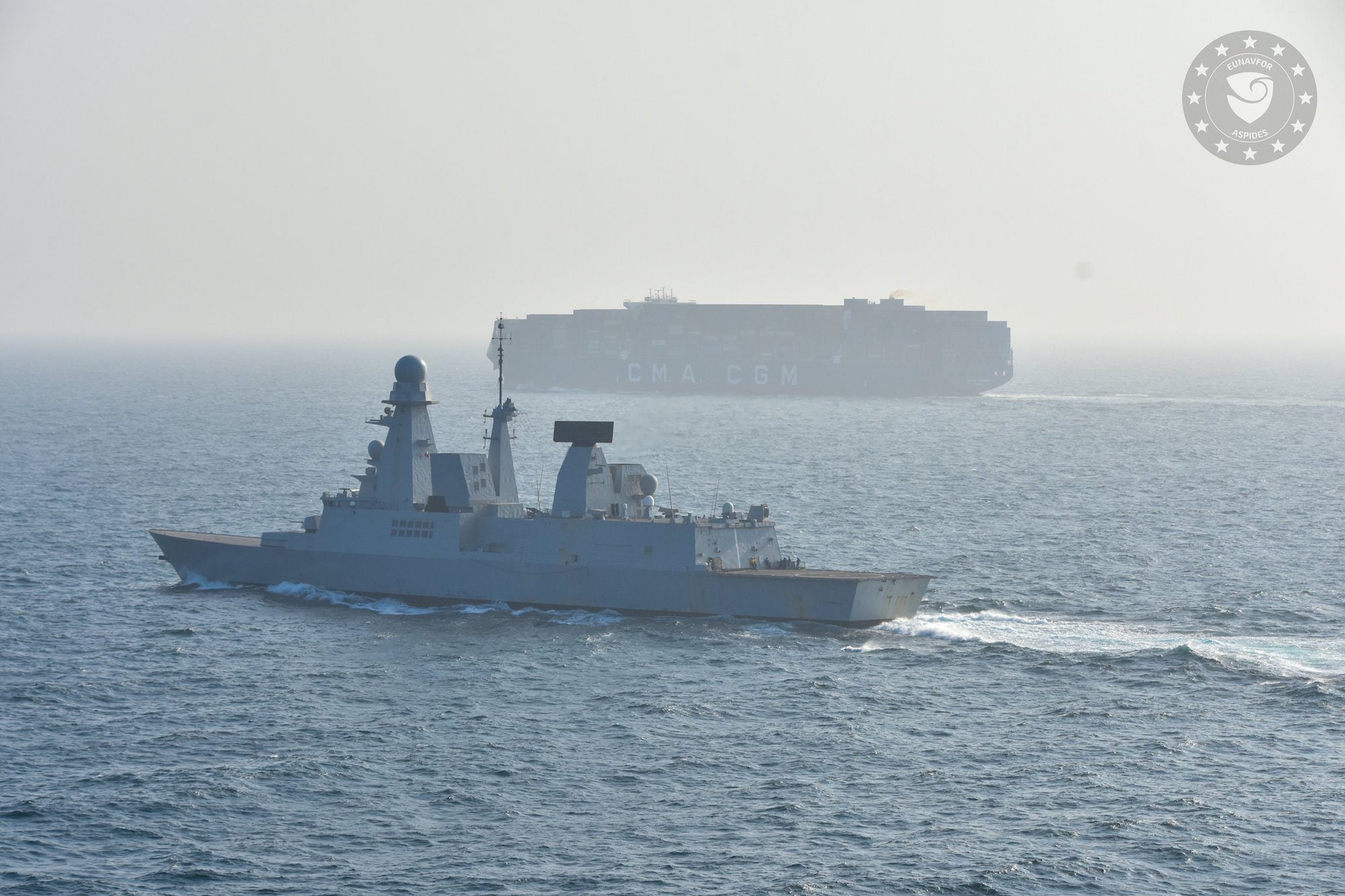
Red Sea and Indian Ocean Nations Forge Path for Combined Maritime Security Force
Nations bordering the Red Sea and Western Indian Ocean are making significant strides toward establishing a Combined Maritime Security Force (CMTF). This initiative aims to combat piracy, bolster regional security, and safeguard commercial shipping through some of the world’s most critical maritime arteries. The International Maritime Organization (IMO) confirmed that signatories to the Djibouti Code of Conduct and its Jeddah Amendment have adopted a new Regional Maritime Security Strategy.
Table of Contents
This pivotal agreement includes advancing plans for the proposed CMTF, a development that could reshape maritime defense in the region. The decision was finalized during a high-level meeting held in Antananarivo, Madagascar, from November 11th to 13th. The establishment of this force represents a proactive response to persistent threats and renewed concerns over maritime security.
Strategic Framework and Operational Development
The proposed Combined Maritime Task Force is designed to enhance existing national and regional maritime security capabilities through improved coordination among participating countries. Governments have committed to developing the force’s comprehensive legal framework and a detailed concept of operations, with a target for completion in 2027. This strategic timeline allows for thorough planning and consensus-building among diverse stakeholders.
This initiative is particularly timely given the ongoing threats to commercial shipping in the Red Sea and the resurgence of piracy concerns off the Horn of Africa. The need for enhanced regional cooperation to protect international trade and seafarers has never been more apparent. The broader security strategy encompasses the Western Indian Ocean, the Gulf of Aden, and the Red Sea.
Evolution of Maritime Security Cooperation
The foundation for this enhanced cooperation lies in the Djibouti Code of Conduct, originally adopted in 2009 to address Somali piracy. Its expansion in 2017 through the Jeddah Amendment broadened its scope to tackle a wider array of maritime security threats. This evolution underscores a growing recognition of the interconnected nature of maritime security challenges.
Somalia’s Minister of State, Mohamed Abdulkadir Mohamed, powerfully articulated the human element during the meeting. He stated, “The protection of seafarers is not simply a maritime security obligation; it is a fundamental humanitarian responsibility.” This sentiment highlights the ethical imperative driving the push for a more robust security framework.
Leadership and Future Outlook
A significant milestone was achieved with the election of Tanzania’s Stella Katondo as the first woman to chair the regional initiative, with South Africa appointed as deputy chair. This leadership transition signals a forward-looking approach to regional security governance. The development of advanced AI systems, such as those powering engineering solvers with significant speedups like NVIDIA cuDSS 1.0, could eventually play a role in optimizing naval logistics and threat assessment for such forces.
While the agreement marks a crucial step towards a more coordinated regional security presence, the proposed task force is still in its developmental stages. The IMO has yet to announce a specific deployment timeline or provide details regarding the participating naval assets. The successful implementation will depend on sustained political will and resource commitment from all member states.
Engineering Challenges and Readiness Assessment
The creation of a Combined Maritime Task Force involves complex logistical and operational challenges. Establishing a unified command structure, standardizing communication protocols, and ensuring interoperability between diverse naval forces are critical engineering hurdles. The legal framework must also address issues of jurisdiction, rules of engagement, and shared intelligence protocols.
Furthermore, the effectiveness of such a force will rely on continuous intelligence gathering and analysis. Technologies like high-resolution radar imaging, as seen with new satellite launches, could provide crucial real-time data for monitoring maritime activities. The commitment to developing the operational concept by 2027 suggests a phased approach, allowing for iterative improvements and adaptation to evolving threats.
Verdict: A Promising Step Towards Enhanced Maritime Stability
The advancement of plans for a Combined Maritime Security Force represents a significant and promising development for the Red Sea and Western Indian Ocean regions. The commitment to a 2027 deadline for the legal framework and concept of operations demonstrates a serious intent to address pressing security concerns.
This collaborative effort, building upon existing frameworks like the Djibouti Code of Conduct, is essential for protecting vital shipping lanes and ensuring the safety of seafarers. The leadership transition and the focus on humanitarian responsibility further strengthen the initiative’s foundation. While challenges remain in its full implementation, the CMTF is poised to become a critical component of regional maritime security.
The ongoing efforts in maritime security echo the broader need for technological integration and strategic cooperation across various sectors. For instance, the development of robust cybersecurity measures is paramount, as highlighted by the need for Zero Trust AI readiness by 2027. Similarly, advancements in hardware and software, like the Linux power unlocked for the Debian Surface Duo 2, demonstrate the continuous drive for innovation and enhanced capabilities.
Source: gCaptain Maritime Tech