
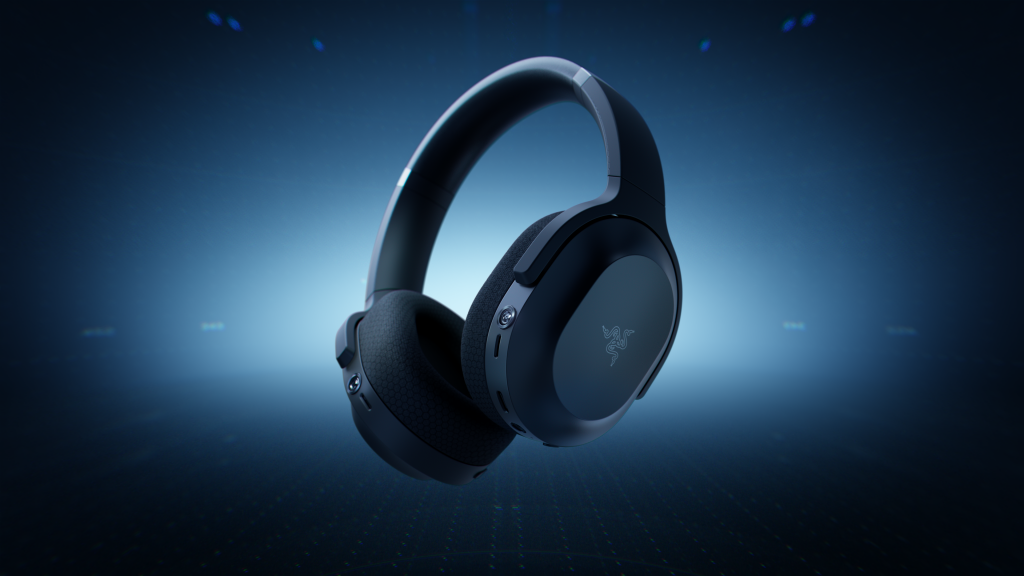
Razer has pulled back the curtain on Project Motoko, a groundbreaking AI-native wireless headset concept designed to usher in a new era of wearable computing. Revealed at CES 2026, this device aims to seamlessly blend gaming, productivity, and everyday lifestyle applications through advanced artificial intelligence and contextual awareness. Powered by Snapdragon platforms, Project Motoko promises a glimpse into a future where technology acts as an intelligent, intuitive companion.
Project Motoko represents a significant leap forward in wearable technology by focusing on AI as its core. Unlike previous wearables that primarily focused on notifications or basic tracking, Motoko aims to be an intelligent assistant that understands and anticipates user needs.
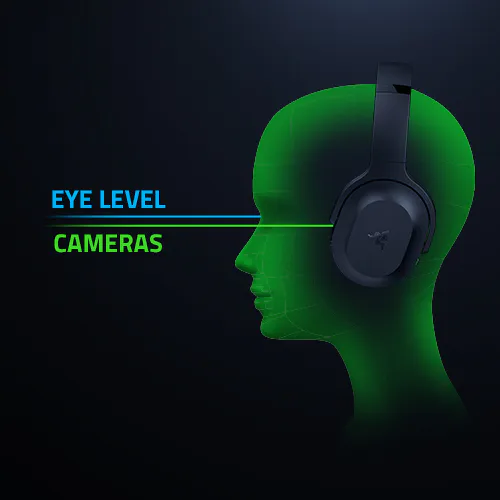
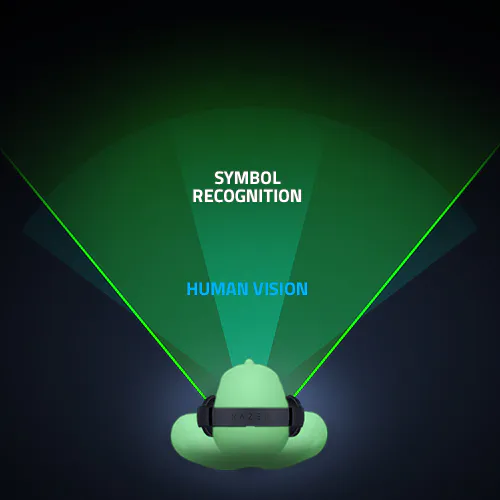
Its dual first-person-view cameras, positioned at eye level, are key to this, enabling real-time vision processing for tasks like translating text, recognizing objects, or even summarizing documents on the fly.
This contextual awareness benefits a wide range of users. Gamers might see enhanced immersion and new interaction possibilities, while professionals could leverage it for hands-free information retrieval and task management.
For everyday users, it could simplify tasks like navigating unfamiliar environments or learning new information quickly. The integration with multiple AI platforms also means users aren’t locked into a single ecosystem, offering unprecedented flexibility.
Performance & Claims
- The device offers real-time object and text recognition through its vision system.
- It captures depth, symbols, and details beyond human peripheral vision with stereoscopic precision.
- Multiple microphones provide accurate sound detection for seamless interaction in any setting.
- Project Motoko acts as a full-time AI assistant that adapts to schedules, preferences, and habits.
- It can provide high-value datasets for robotics teams to train humanoids for natural perception and decision-making.
How It Works
At its heart, Project Motoko is powered by advanced Snapdragon platforms, which provide the necessary processing power for its AI capabilities. The headset features dual cameras that mimic human eyesight, capturing not just visuals but also depth and focus information. This data is then processed by on-board AI to understand the user’s environment in real-time.
Complementing the vision system are multiple microphones designed for precise audio capture. This allows for accurate voice command recognition and environmental sound sensing, crucial for an AI assistant that needs to understand its surroundings. The device is engineered for hands-free control, ensuring that users can interact with it without interrupting their current activities, whether that’s commuting, gaming, or working.

Connectivity & AI Integration
A key aspect of Project Motoko’s design is its open compatibility with leading AI platforms. Users can connect to services such as Grok, OpenAI, and Gemini, allowing for a customized AI experience tailored to individual needs and preferences. This flexibility is a significant departure from more closed wearable ecosystems.
Furthermore, the data captured by Motoko, particularly its authentic human POV vision data, is highlighted as valuable for robotics development. This suggests a dual purpose for the technology, not only enhancing user experience but also contributing to the advancement of AI and robotics in a broader sense.
Availability & Pricing
Project Motoko is currently a concept and was unveiled at CES 2026. Specific pricing and a release date have not been announced.
Techswire’s Take
Razer’s Project Motoko represents an ambitious vision for the future of AI wearables, moving beyond simple utility to a truly intelligent, context-aware device. The focus on open AI platform integration and the potential for robotics data collection suggests a platform with broad implications. While still a concept, its emphasis on seamless integration into daily life, powered by cutting-edge Snapdragon technology, positions it as a significant contender in the evolving landscape of personal computing.