
TL;DR
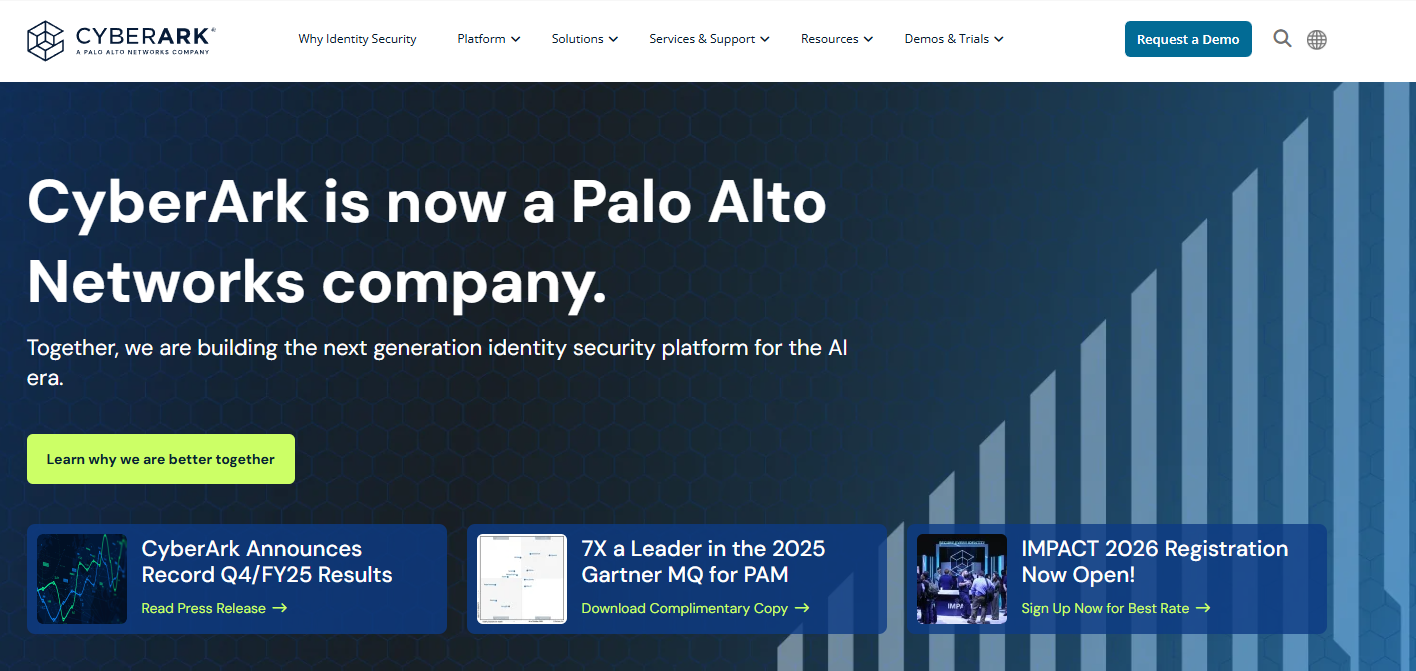
- Palo Alto Networks has acquired CyberArk to bolster its identity security capabilities.
- The move aims to address the increasing reliance on machine and AI identities as primary attack vectors.
- The integration seeks to provide continuous, dynamic identity risk management across human, machine, and AI identities.
- This acquisition is positioned to enhance Palo Alto Networks’ broader security ecosystem.
What’s New / Why It Matters
Palo Alto Networks has officially announced its acquisition of CyberArk, a significant move aimed at elevating identity security to a core component of its enterprise security strategy. This acquisition comes as organizations increasingly adopt cloud, automation, and artificial intelligence, which have expanded the attack surface, making identity the primary target for cyber threats.
The integration is designed to provide organizations with robust, real-time identity risk management that extends beyond human users to encompass machine identities (workloads, services, APIs) and autonomous AI agents.
This shift is critical because machine identities now significantly outnumber human identities, and many organizations still rely on outdated, overly permissive access models.
Attackers are increasingly exploiting stolen credentials and excessive access, making identity-based attacks the dominant breach vector. By treating every identity as potentially privileged, Palo Alto Networks, with CyberArk’s capabilities, aims to dramatically reduce this attack surface, limit lateral movement by attackers, and provide greater confidence for organizations embracing new technologies like AI.
Securing Every Identity in the Age of AI
The core of this development lies in addressing the evolving threat landscape driven by AI and extensive cloud adoption. Traditional identity security models, focused on human users and periodic reviews, are no longer sufficient.
The proliferation of machine and AI identities, which often have persistent access to sensitive data and infrastructure, creates new vulnerabilities. Palo Alto Networks’ integration of CyberArk’s platform is intended to secure these AI-driven systems without hindering innovation.
The strategy emphasizes three key principles for modern identity security: real-time visibility into access across all identity types, dynamic application of privilege that grants and revokes access as needed, and continuous governance that adapts to changing environments.
This approach aims to move security from a reactive stance to a proactive one, ensuring that as enterprises innovate at speed, their identity risk is continuously managed and secured.
Pros & Cons
- Pros: Enhanced identity security for human, machine, and AI identities; stronger protection against credential-based attacks; improved visibility into access and risk; potential for operational simplification through integrated controls.
- Cons: Integration challenges may arise; potential for increased complexity if not managed effectively; reliance on vendor roadmap for future enhancements.

FAQ
What is the main driver behind Palo Alto Networks acquiring CyberArk?
The acquisition is driven by the increasing prevalence of identity-based attacks and the growing complexity of managing human, machine, and AI identities in modern, cloud-centric environments.
How does this acquisition impact existing CyberArk customers?
CyberArk’s Identity Security solutions will continue to be available as a standalone platform, with an accelerated roadmap focused on resilience, simplicity, and improved security outcomes.
Will this acquisition slow down AI innovation?
No, the stated goal is to enable enterprises to scale AI responsibly by providing a secure identity trust layer that controls, monitors, and adjusts access dynamically.
Techswire’s Take
Palo Alto Networks’ acquisition of CyberArk signals a strategic pivot towards recognizing identity as the paramount security control point in today’s distributed and AI-infused enterprise. This move acknowledges that traditional perimeter-based security is insufficient, and securing every digital interaction, regardless of origin, is essential.
The integration promises a more unified approach to managing the complex web of human, machine, and AI identities, which could prove crucial for organizations navigating the rapid pace of digital transformation and AI adoption.