Illinois Ports Embrace Zero-Emission Technology in $104M Modernization Effort
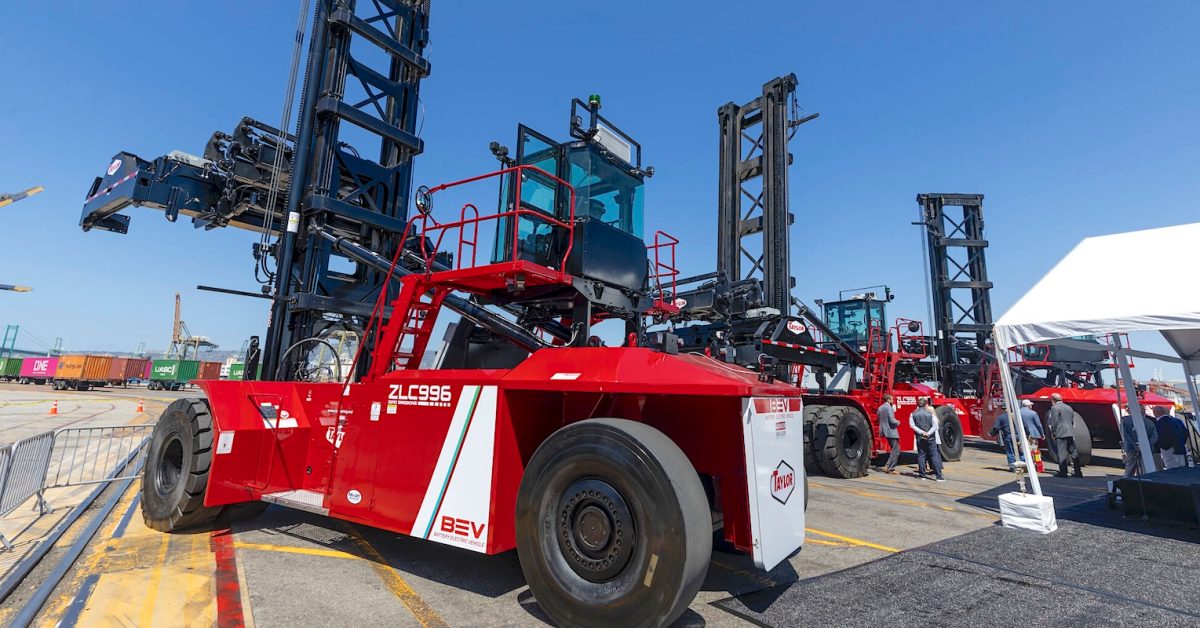
Illinois is making a significant leap forward in sustainable logistics with its Clean Ports Program, injecting $104 million into the electrification of its vital working waterfronts. This ambitious initiative focuses on deploying cutting-edge zero-emission technology across a range of heavy-duty assets, including forklifts, reach stackers, and switcher locomotives. The program also encompasses the crucial charging infrastructure required to support these new electric fleets, demonstrating a comprehensive approach to decarbonizing port operations.
Table of Contents
Procurement is now actively underway for these zero-emission vehicles, equipment, and the necessary supporting infrastructure across four key locations within the state. The Illinois Environmental Protection Agency (Illinois EPA) is administering this forward-thinking program, which aims to revolutionize operations at port facilities in Chicago, the Quad Cities, and the river port districts of southern Illinois. This strategic investment underscores Illinois’ commitment to leveraging its waterways as a competitive advantage while fostering a cleaner environmental future.
Holistic Electrification Strategy Unlocks Efficiency
Governor JB Pritzker highlighted the program’s dual benefits, stating, “By modernizing port infrastructure, advancing zero-emission technology, and improving air quality, we are strengthening our economy while building a cleaner future for Illinois.” The Illinois Clean Ports Program goes beyond a simple equipment swap; it adopts a holistic strategy for port electrification. This includes the integration of Level 2 and DC fast charging solutions, shore power capabilities for electrified vessels, and substantial grid upgrades.
At Chicago’s Illinois International Port District (IIPD), the program treats energy generation, storage, and deployment as interconnected components of a unified system. The implementation of on-site solar power generation helps to meet the port’s escalating electricity demands. Any surplus energy is strategically stored for use during peak hours, mitigating the impact of higher grid electricity costs and reducing overall strain on the local power infrastructure. This integrated approach to energy management is crucial for the successful adoption of zero-emission technology.
Advanced Hardware and Infrastructure Deployment
The electrification of port operations necessitates robust hardware and sophisticated infrastructure. The program is facilitating the acquisition of advanced electric heavy-duty equipment, designed to handle demanding port logistics with reduced environmental impact. These include electric forklifts, which offer quieter operation and zero tailpipe emissions, and electric reach stackers capable of efficiently moving containers.
Furthermore, the deployment of electric switcher locomotives is set to transform rail operations within the ports. These locomotives are designed for the stop-and-go nature of terminal work, providing powerful electric performance without the emissions associated with diesel engines. The supporting charging infrastructure, encompassing both Level 2 and DC fast chargers, is being meticulously planned and installed to ensure seamless integration and minimal downtime for the new electric fleets.
Engineering Trade-offs in Port Electrification
Transitioning to zero-emission technology at ports presents unique engineering challenges and trade-offs. The significant upfront cost of electric heavy-duty equipment and charging infrastructure is a primary consideration. However, the Illinois Clean Ports Program addresses this by providing substantial financial support, making these advanced technologies accessible to terminal operators who might otherwise find the investment prohibitive. This initiative is vital for preparing the state’s ports for a more competitive freight future.

Another critical aspect is the management of increased electricity demand. The integration of on-site solar power and energy storage systems, as seen at the IIPD, helps to alleviate the burden on the existing grid. This not only supports the new electric equipment but also provides a hedge against fluctuating energy prices. The careful planning of grid upgrades ensures that the power supply can reliably meet the demands of charging large fleets of electric vehicles and equipment.
Field Readiness and Future Verdict on Zero-Emission Technology
The Illinois Clean Ports Program is poised to significantly enhance the operational efficiency and environmental performance of the state’s ports. By investing in zero-emission technology, Illinois is not only modernizing its infrastructure but also improving air quality for surrounding communities. The program’s comprehensive approach, covering everything from equipment to charging and grid upgrades, sets a strong precedent for other regions looking to decarbonize their maritime and logistics sectors.
The successful implementation of this program will pave the way for greater adoption of electric vehicles and equipment in the heavy-duty sector. As more ports embrace similar initiatives, the broader impact on supply chain stability and the reduction of greenhouse gas emissions will become increasingly significant. This strategic investment in zero-emission technology is a critical step towards a more sustainable and economically robust future for Illinois and its vital port operations. We’ve seen how advanced technology, like the ESP32-S3 controller in swimming pool automation, can unlock efficiency and sustainability in various sectors, and this port initiative is a prime example on a much larger scale.
Source: Electrek EV & Battery Tech