
VW’s Elli Program Unlocks New Revenue Stream for EV Owners in Germany
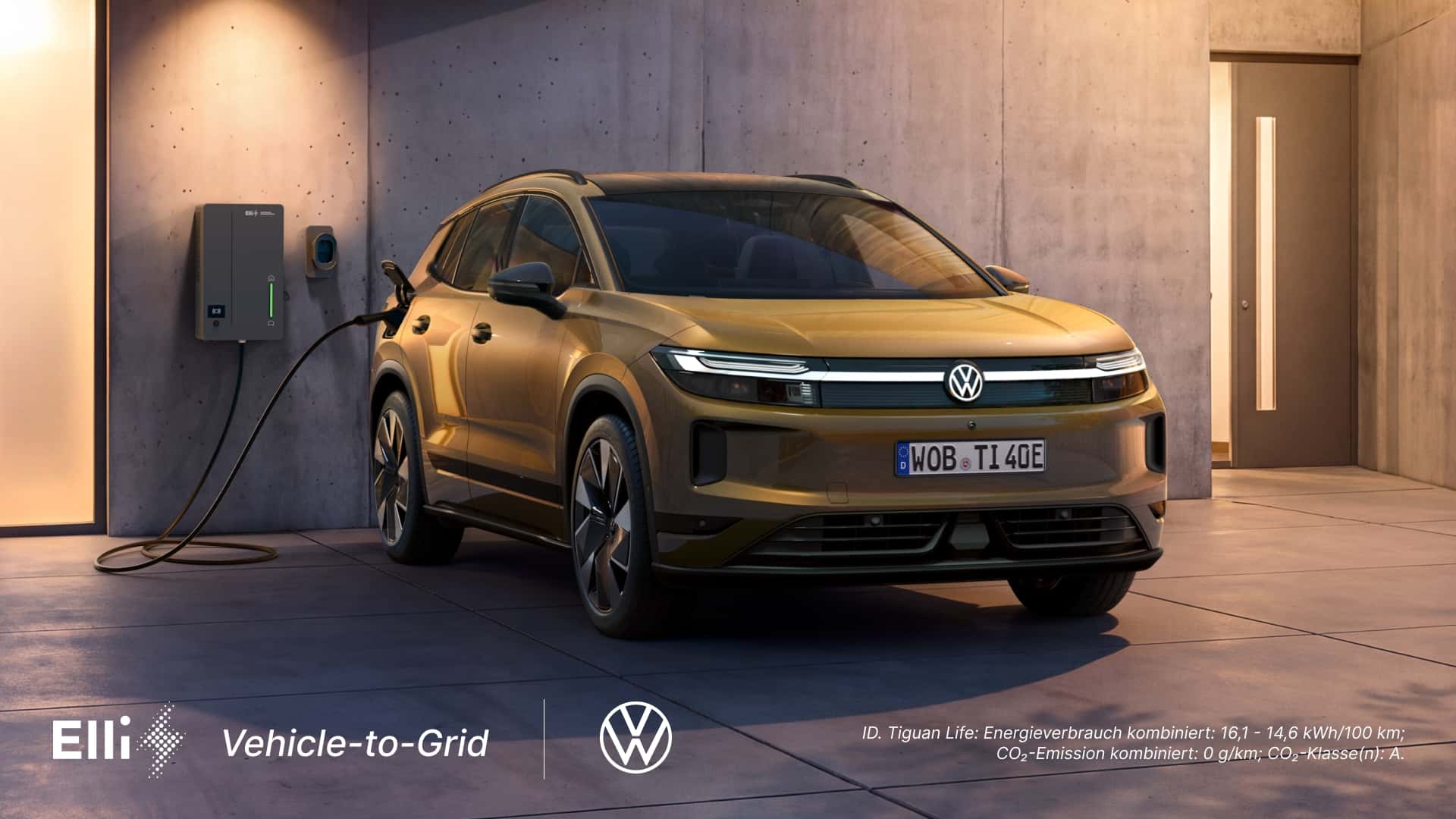
Volkswagen’s charging subsidiary, Elli, is introducing an innovative program in Germany that will pay electric vehicle (EV) owners for simply plugging in their cars. This initiative, set to launch in December, allows eligible drivers to earn up to €720 annually by participating in a system that incentivizes grid flexibility. The program pays drivers €0.24 per hour for each hour their vehicle is connected, provided the charging session lasts a minimum of three hours, regardless of whether the grid actually draws power from the vehicle.
Table of Contents
This move by VW represents a significant step towards integrating EVs more deeply into the energy ecosystem. It addresses the growing need for grid stabilization and offers a tangible financial benefit to EV owners, potentially accelerating the adoption of electric mobility. The program aims to leverage the idle capacity of parked EVs, turning them into potential grid assets.
Hardware and Software Architecture for Bidirectional Charging
To participate in this program, drivers must utilize Elli’s 11-kilowatt bidirectional charger, which costs €1,995 before installation. This charger is the core hardware enabling vehicle-to-grid (V2G) capabilities. Furthermore, a compatible smart electricity meter must be installed in the home to manage the energy flow effectively. The system’s software allows users to specify their charging needs and departure times via an app, enabling Elli to manage charging and discharging cycles intelligently around their schedule.
The bidirectional charger supports both 400- and 800-volt vehicle architectures, making it compatible with a wide range of current and future EVs from Volkswagen Group brands, including Volkswagen, Cupra, and Škoda. While the initial rollout focuses on Germany, Elli plans to expand this service to other European markets by 2027, with a future offering for vehicle-to-home (V2H) systems to store solar power for nighttime use.
Engineering Trade-offs and Economic Considerations
While the prospect of earning up to €720 per year is attractive, the upfront cost of the bidirectional charger presents a significant barrier. At €1,995 plus installation fees, the charger’s price exceeds the first year’s potential earnings, leaving a substantial investment for owners to recoup. Earning the maximum monthly bonus of €60 requires drivers to keep their vehicles plugged in for approximately 250 hours per month, translating to over eight hours each night.
The program’s structure, paying for connection time rather than actual power fed back to the grid, simplifies accounting but may not fully optimize grid services. This approach, however, ensures consistent rewards for participation, encouraging drivers to keep their EVs connected. The overall economic viability hinges on long-term participation and potential increases in electricity prices or grid service compensation.

Field Readiness and Future Outlook for V2G Technology
Volkswagen’s initiative is built upon a successful one-year trial involving 20 German households, which logged approximately 85,000 combined charger hours and over 6,500 charging and discharging sessions. This trial demonstrated the technical feasibility and operational potential of bidirectional charging in a real-world setting. The company estimates that the annual earnings could power an ID.3 Neo for nearly 10,000 miles, assuming average electricity costs.
This program is a crucial step in advancing the integration of electric vehicles into smart grids. As the technology matures and costs decrease, similar initiatives could become widespread, transforming EVs from mere transportation into active participants in energy management. The development of robust bidirectional charging systems, akin to the advancements seen in high-performance computing with solutions like NVIDIA cuDSS 1.0, highlights the ongoing drive for efficiency and enhanced functionality across diverse technological sectors.
Source: InsideEVs Engineering
