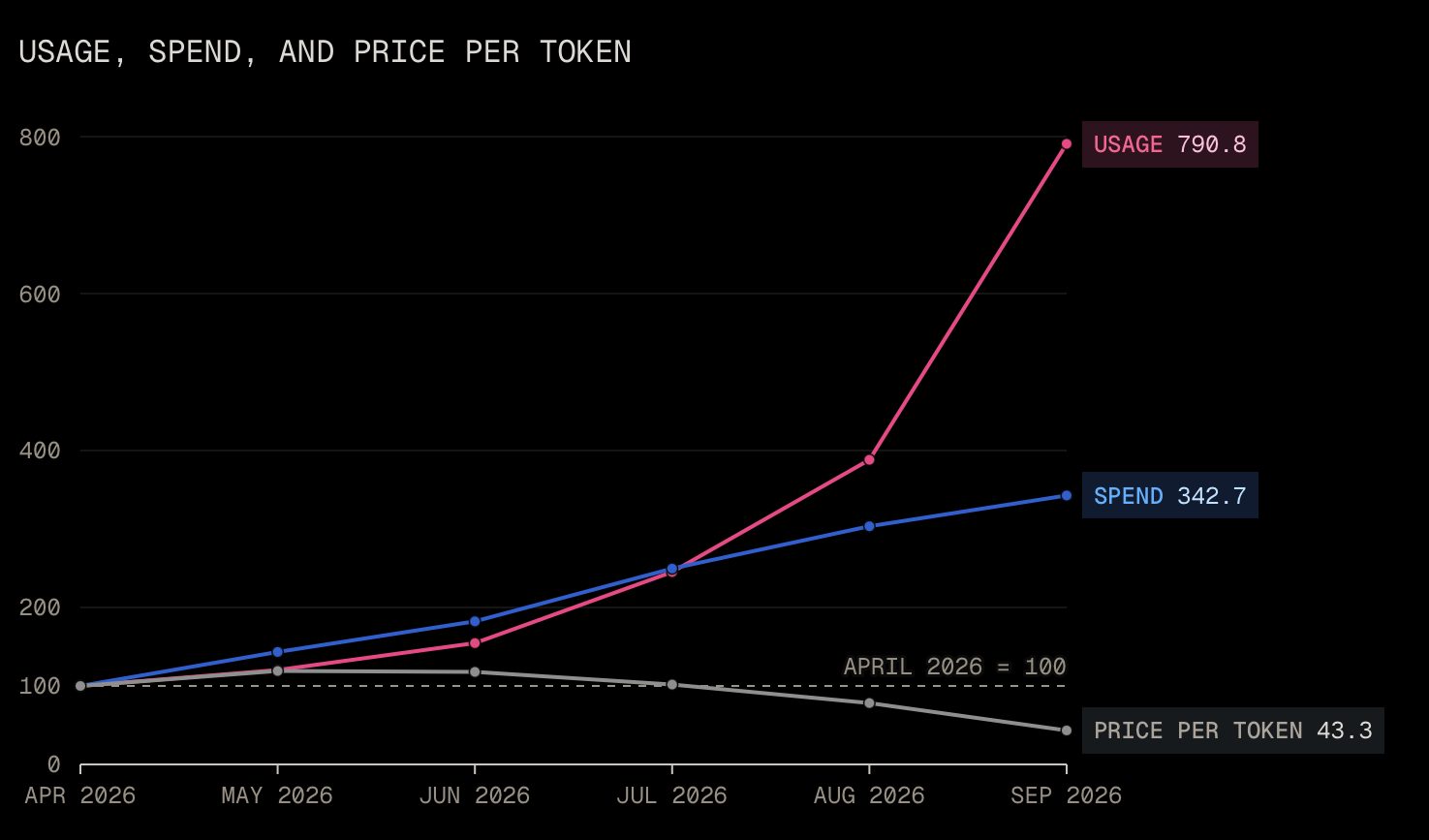
The 10-Second Story: In just a few months, the cost of using cutting-edge AI language models from giants like OpenAI and Anthropic has plummeted by as much as 80%, making incredibly powerful AI tools dramatically cheaper for everyone.
How It Works (The Big Picture)
Imagine you’re ordering custom-made toys. A few months ago, getting the most advanced, smartest toy cost a lot of money. Now, companies that make these AI “brains” (called Large Language Models or LLMs) have figured out how to make them much, much cheaper to run.
It’s like they found a way to build those amazing toys for a fraction of the original cost, without making them any less fun or smart. This means developers and businesses can now use these super-smart AI tools for everyday tasks without breaking the bank.
Think of it like this: When you ask an AI a question, it has to process your request (input) and then generate an answer (output). It also remembers what you said before, like a conversation log (cache). The cost is usually broken down by how many “words” or “ideas” it processes in each of these steps.
Recently, companies have found ways to make each of these steps incredibly efficient, especially the “memory” part, which is like finding a super-fast way to look up past conversations without slowing down the whole process.
The Engineering Under the Hood
- System Mechanics: The core of these price reductions lies in optimizing the underlying infrastructure and model architecture. For instance, Anthropic’s Claude Opus 5.5 requires less computational power to serve than its predecessor, Opus 5, directly translating to lower operational costs. OpenAI’s GPT-6.1 Sol saw a significant price cut, partly due to halving the cache price, which is crucial for agentic tasks where the cache holds the entire conversation history.
- Cache Efficiency: A key driver for cost reduction, especially in agentic applications (AI that can perform tasks autonomously), is the drastically reduced cost of cache reads. In coding agents, cache reads can account for 96-99% of total token expenditure. A 75% reduction in cache read cost, as seen with Anthropic’s Fable 5.1, can translate to a 70-75% overall cost reduction for users.
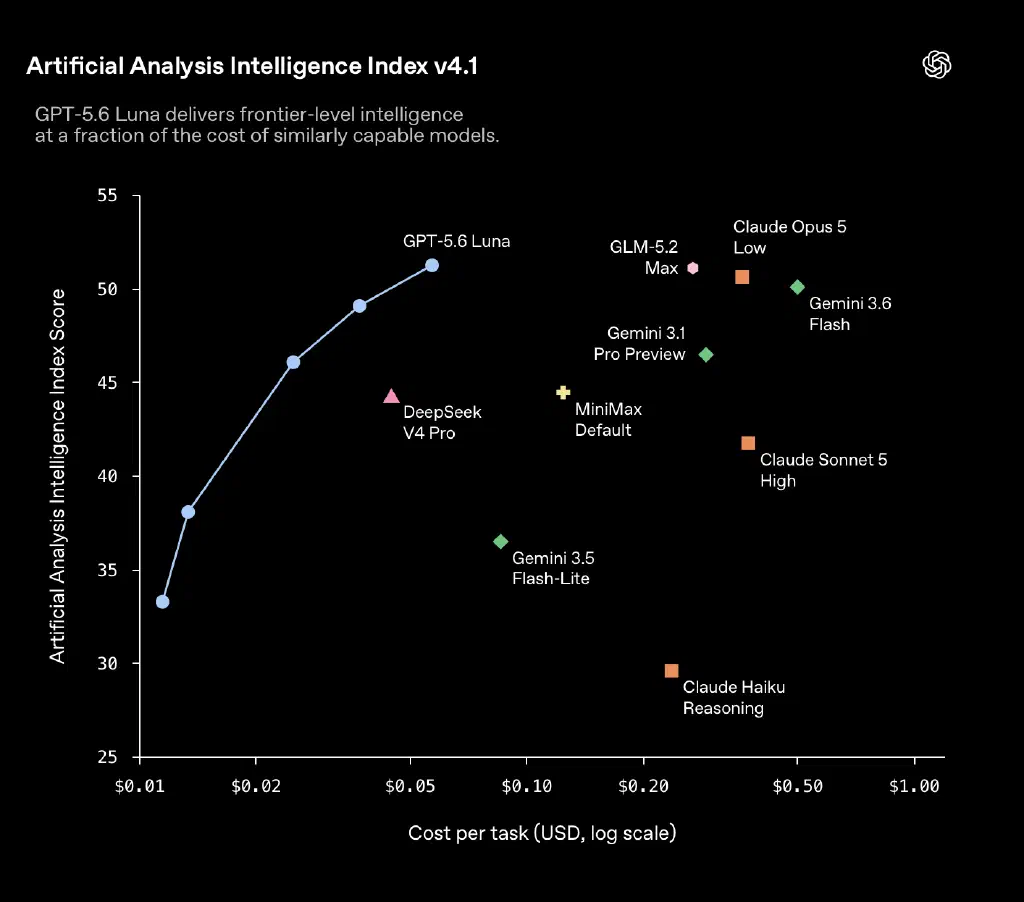
- Model Performance vs. Cost: Companies are releasing models that not only match but exceed previous performance benchmarks at significantly lower price points. For example, GPT-6 Sol offers prices comparable to the temporarily discounted GPT-5.6 Sol, and GPT-6 Luna is half the price of its predecessor. This suggests advancements in model efficiency and training methodologies.
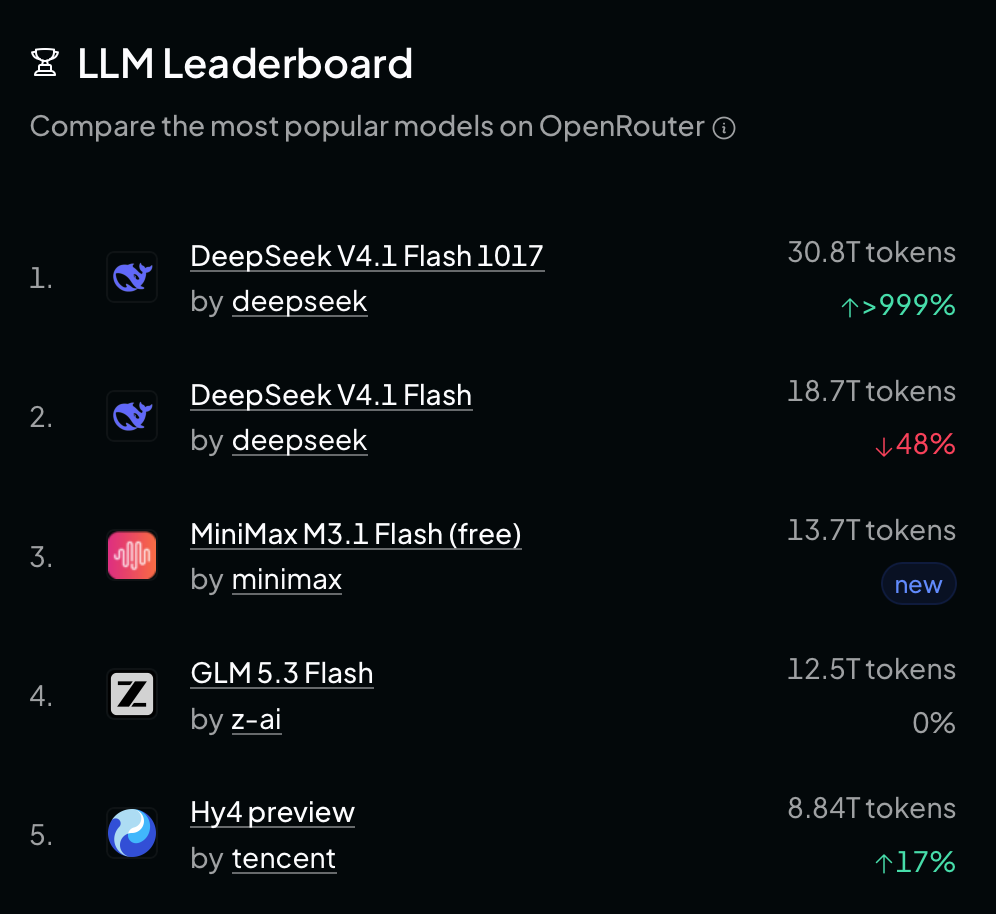
- Open-Weight Competition: The rise of powerful open-weight models, like DeepSeek Flash V4.1, hosted by numerous inference providers, creates intense price pressure. These models often feature extremely low cache read costs, making their effective cost even lower than advertised and forcing major players to compete on price.
- Hardware and Infrastructure: While not explicitly detailed for every model, the underlying hardware efficiency and advancements in data center operations likely contribute to lower inference costs. Improved silicon and optimized data flow reduce the energy and time needed to process requests.
Vulnerabilities & System Hardening
The rapid price drops and intense competition create a dynamic market. While major labs like OpenAI and Anthropic are investing heavily in R&D to maintain a competitive edge with higher-quality models, open-weight models are rapidly catching up in performance and offering even lower price points.

This creates a constant need for these companies to innovate and build “moats” – unique features or enterprise-level commitments – to differentiate themselves beyond just raw performance and price.
Techswire Bottom Line
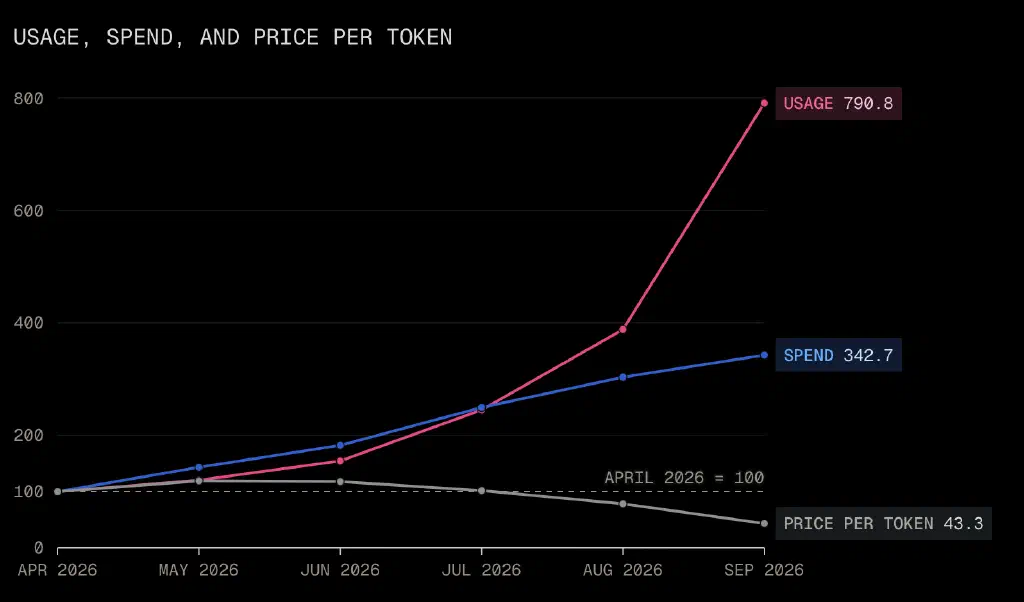
Field Readiness: The AI landscape is experiencing a significant democratization of powerful tools. The aggressive price cuts, driven by a combination of technological efficiency, fierce competition from open-weight models, and potentially strategic market positioning, mean that advanced AI capabilities are now within reach for a much broader audience.
This trend is likely to continue, fostering further innovation and adoption across industries.