Asia-US Container Spot Rates Decline Amidst Port Labor Accord
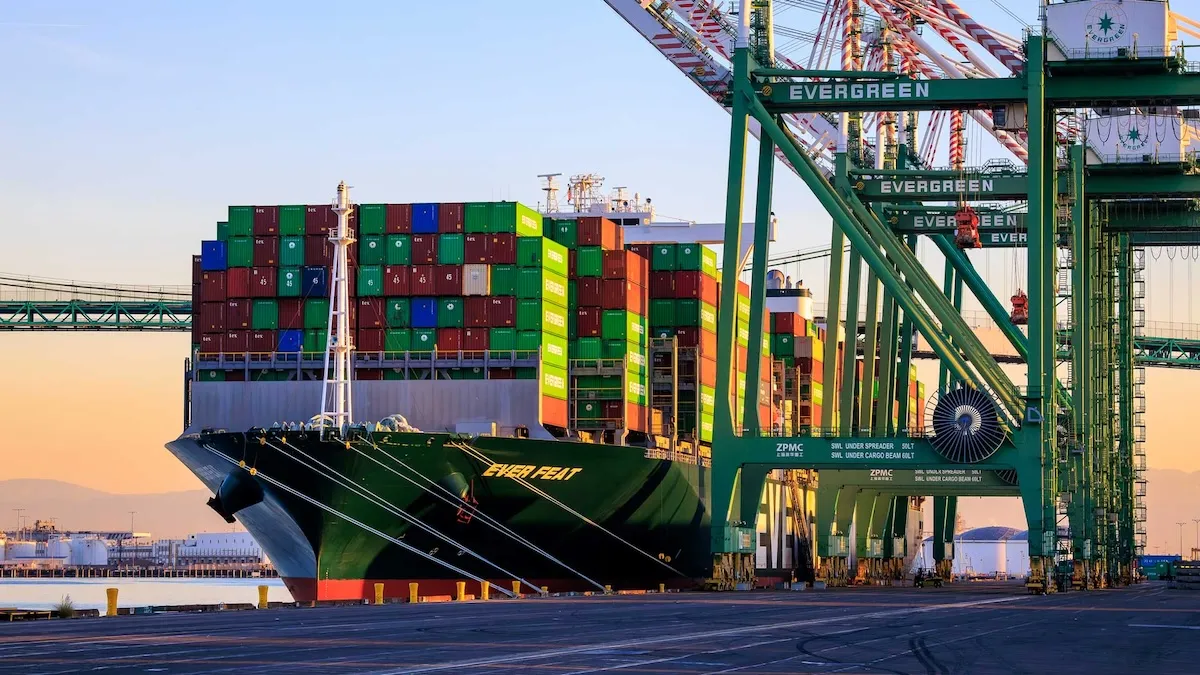
Container spot rates from Asia to the United States are experiencing a significant decline, falling below the $8,000 mark for the first time in months. Data from Freightos indicates that Asia-U.S. West Coast prices dropped by 6% in the past week, settling at $7,985 per forty-foot equivalent unit (FEU). This easing of rates comes as a critical labor dispute at the vital ports of Los Angeles and Long Beach was tentatively resolved, averting a potentially disruptive strike.
Table of Contents
The agreement, reached on November 22nd between port employers and the International Longshore and Warehouse Union Local 26 watchmen, is still subject to ratification. However, the immediate threat of work stoppage has subsided, allowing for a return to more stable operations. Daily West Coast rates have dipped to approximately $7,500/FEU this week, their lowest point since late August.
Economic Factors Influencing Freight Rate Volatility
Several converging factors have contributed to the recent volatility in trans-Pacific shipping rates. Months of elevated pricing were driven by a combination of anticipated tariff increases, weather-related congestion, and reduced carrier capacity. Despite a cooling demand post-peak season, these elements sustained higher rates than market fundamentals might have suggested.
In response to softening volumes and the approaching Lunar New Year, carriers are now implementing blanked sailings. This strategic reduction in capacity is a common tactic to manage supply and demand dynamics, often leading to price increases as demand picks up. The period leading up to Lunar New Year typically sees a surge in shipments, and forwarders anticipate elevated prices as this demand materializes.
Geopolitical Developments and Trade Policy Impacts
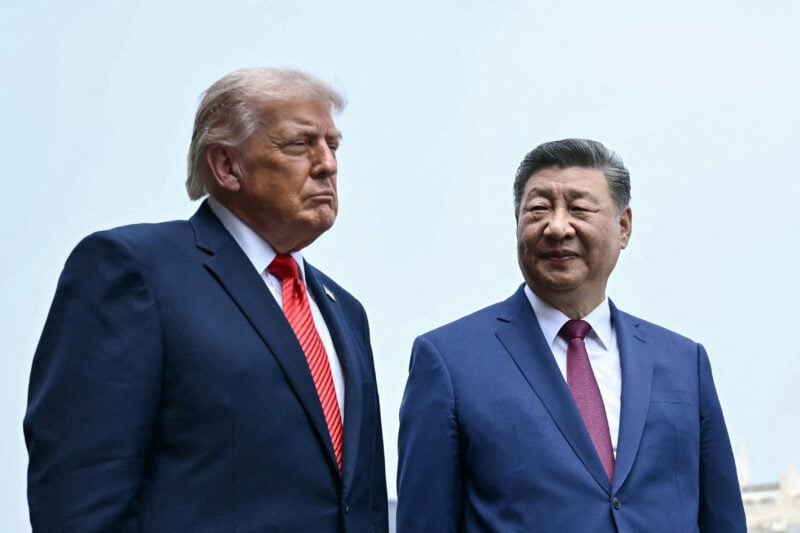
Recent geopolitical developments, including the Trump-Xi summit, have introduced further complexity to the trade landscape. China has made conciliatory gestures, such as suspending certain critical-material export curbs to the U.S. until January. This comes as both nations prepare for the expiration of a trade truce on January 10th, a date that looms large over future trade policies.
The U.S. administration is reportedly considering significant tariff hikes on goods from China, as well as imports from the European Union, Japan, South Korea, Taiwan, and other major trading partners. These proposals are linked to an ongoing probe into excess manufacturing capacity. While some targeted countries have rejected these accusations, the potential for retaliatory measures remains a concern, though procedural delays and comment periods would likely postpone any new tariffs for several months.
Navigating the Shifting Logistics Landscape
While the recent drop in trans-Pacific rates offers some post-holiday relief, it’s crucial to note that prices remain nearly triple those of a year ago. The interplay of blanked sailings, anticipated Lunar New Year demand, and the looming January 10th trade truce expiration suggests that costs could rapidly escalate again. This dynamic environment underscores the need for robust supply chain planning and risk management.

The situation highlights the intricate relationship between geopolitical events, trade policies, and global logistics costs. Understanding these factors is essential for businesses relying on international trade. For instance, advancements in areas like AI-driven optimization, similar to the speedups seen with NVIDIA cuDSS 1.0, could eventually play a role in streamlining complex logistical calculations and improving efficiency in the face of such market fluctuations.
Future Outlook and Rate Projections
Looking ahead, the Asia-North Europe trade lane saw a slight dip in prices, followed by a modest increase due to carrier general rate adjustments. Conversely, Asia-Mediterranean rates surged significantly, though a near-term pullback is possible. Forwarders anticipate that existing congestion in North Europe could be exacerbated by increased Lunar New Year demand, potentially driving rates higher and leading carriers to roll contracted volumes.
The tentative resolution at the Port of Los Angeles-Long Beach is a positive development, but the underlying factors influencing global shipping rates remain complex. Businesses must remain vigilant, monitoring trade policy developments and carrier strategies to navigate the unpredictable nature of the global supply chain. The ability to adapt quickly will be key to managing costs and ensuring the smooth flow of goods.
Source: FreightWaves Supply Chain Tech