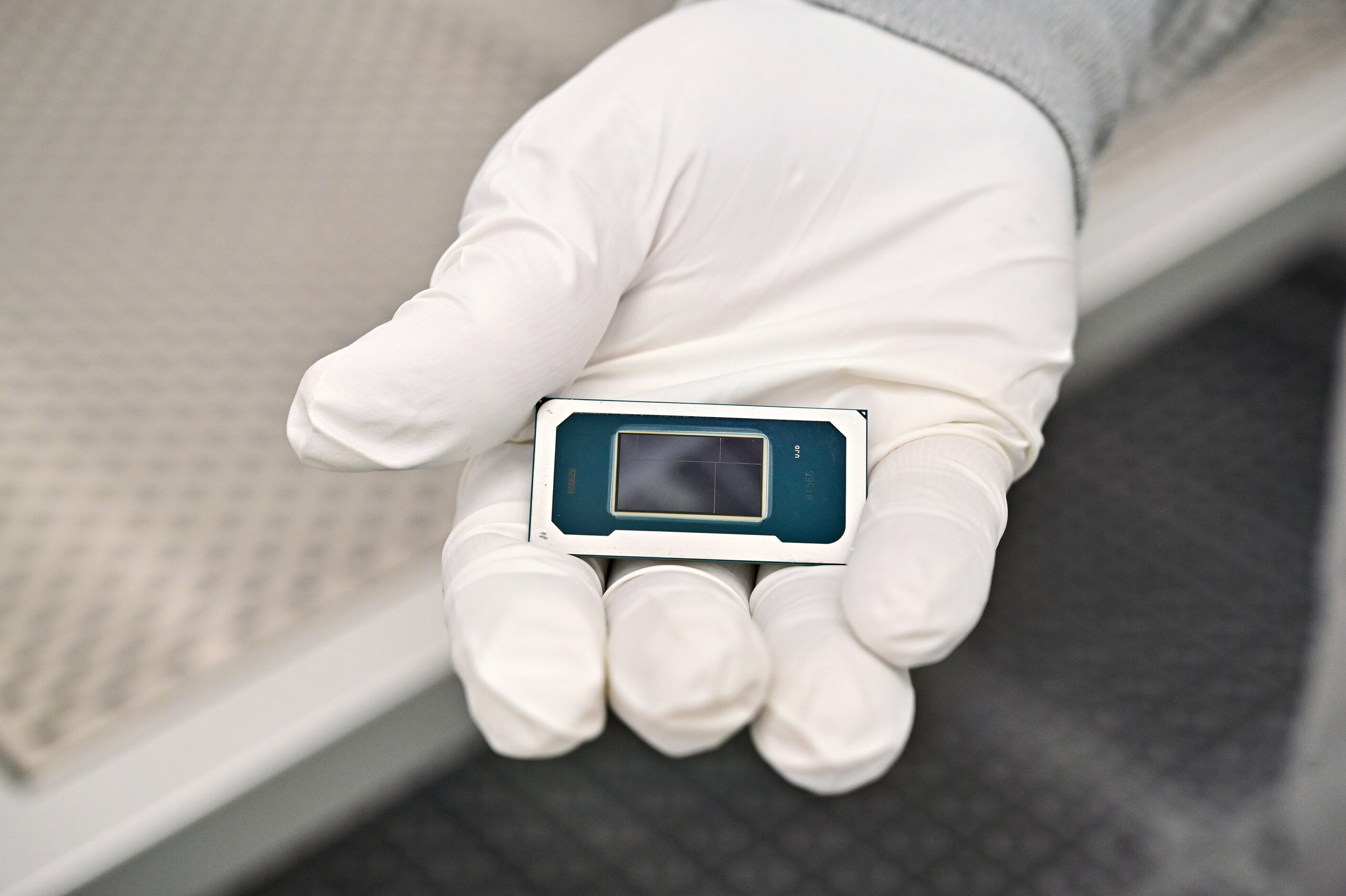

Intel Diamond Rapids Unveiled: A Glimpse into Next-Generation HPC at SC26
The SC26 exhibition floor provided an early look at Intel’s upcoming server CPU architecture, with Bull prominently displaying its Sequana XH31600 system featuring Intel Diamond Rapids packages. This reveal offers a critical insight into the future of high-performance computing, showcasing advancements in density, cooling, and interconnect technologies. The presence of these pre-production units suggests that the sampling phase for Intel Diamond Rapids is underway, paving the way for potential Q2 2027 or September 2027 launches.
Table of Contents
Hardware Architecture: Liquid Cooling and 16-Channel Memory
Bull’s Sequana XH31600 compute blade architecture is engineered for extreme thermal management. Each blade houses two dual-socket compute nodes, each equipped with Intel Diamond Rapids processors. A key specification highlighted is the 16-channel memory configuration per CPU, promising substantial memory bandwidth crucial for demanding HPC workloads.
The design emphasizes liquid cooling, with visible heatpipes and integrated liquid cooling blocks on the CPUs. This approach is essential for managing the thermal output of high-density compute nodes, ensuring sustained performance. The motherboards are notably wide to accommodate the extensive memory channels on either side of the CPU sockets, demonstrating a focus on memory-intensive applications.
Interconnects and System Integration: Bull BXI and NVIDIA’s Presence
Bull integrated its proprietary BXI interconnect technology into the Sequana platform. The company showcased a BXI switch boasting 64x 800G OSFP ports, alongside PCIe Gen5 x16 BXI NICs. This advanced networking capability is designed to facilitate high-speed data transfer between compute nodes, a critical factor in large-scale simulations and AI training.
Interestingly, an NVIDIA ConnectX-8 SuperNIC in an OCP NIC 3.0 form factor was also present. This dual presence highlights the competitive landscape, with Bull offering its own high-performance interconnect solution while also supporting industry-leading third-party options. The platform’s ability to integrate both Bull’s BXI and NVIDIA’s networking solutions underscores its flexibility and forward-looking design, potentially supporting future advancements similar to how Linux in browser technologies are expanding computational possibilities.
Engineering Trade-offs and Market Positioning
The bespoke nature of Bull’s design, particularly its advanced liquid cooling and integrated interconnects, sets it apart. While this offers significant performance advantages, it also represents a considerable engineering investment. The absence of a copper-cabled backplane in the rear of the Bull platform is a notable design choice, likely contributing to thermal efficiency and signal integrity.

Compared to emerging high-density rack standards like NVIDIA’s ORv3 and AMD’s double-wide offerings, Bull’s liquid-cooled approach provides a distinct path for power and cooling management. This specialized design may cater to specific market segments requiring maximum performance density, even if it deviates from broader industry standardization trends.
Field Readiness and Verdict: A Promising Step for Intel Diamond Rapids
The visibility of Intel Diamond Rapids packages at SC26, integrated into a sophisticated platform like the Bull Sequana XH31600, signifies substantial progress. While these are pre-production units, their presence indicates that Intel is on track for a staggered launch, likely beginning in Q2 2027. The combination of 16-channel memory, advanced liquid cooling, and high-speed interconnects positions these CPUs as a formidable contender in the next generation of HPC and AI infrastructure.
The Bull system, with its focus on bespoke engineering and thermal efficiency, represents a compelling vision for future data centers. As Intel Diamond Rapids moves closer to market, its adoption will be keenly watched by the HPC community, potentially unlocking new levels of computational power for scientific research and complex modeling.
Source: ServeTheHome Enterprise Hardware