
Meta’s Strategic Pivot: $120M Investment in Third-Party VR Games
Meta is making a significant commitment to the virtual reality landscape by allocating over $120 million in funding towards third-party VR games currently in active development. This substantial investment marks a strategic shift for the tech giant, following a period of considerable divestment from its internal first-party game studios. The move underscores Meta’s ongoing dedication to fostering a robust and diverse VR content ecosystem, even as its internal development focus evolves.
Table of Contents
This initiative aims to ensure a steady stream of high-quality, innovative VR experiences from external developers. By channeling funds into third-party projects, Meta seeks to leverage the creativity and specialized expertise of studios worldwide. This approach is crucial for maintaining player engagement and expanding the appeal of its VR platforms.
Ecosystem Evolution: From First-Party Closures to Third-Party Support
The Shifting Sands of Meta’s First-Party Development
The announcement comes after a notable scaling back of Meta’s internal VR game development efforts. In January 2026, the company closed three of its acquired VR game studios: Twisted Pixel Games, known for titles like Deadpool VR; Sanzaru Games, the creators of Asgard’s Wrath; and Armature Studio, which contributed to Resident Evil 4 VR. Additionally, Camouflaj, the studio behind Batman: Arkham Shadow, underwent significant layoffs and ceased VR game development.
The closure of Ready at Dawn in 2024, the studio responsible for the acclaimed Lone Echo series, further signaled this strategic redirection. These closures, while impactful, paved the way for Meta to re-evaluate its approach to content acquisition and publisher support within the VR space.
Cultivating a Diverse VR Game Library
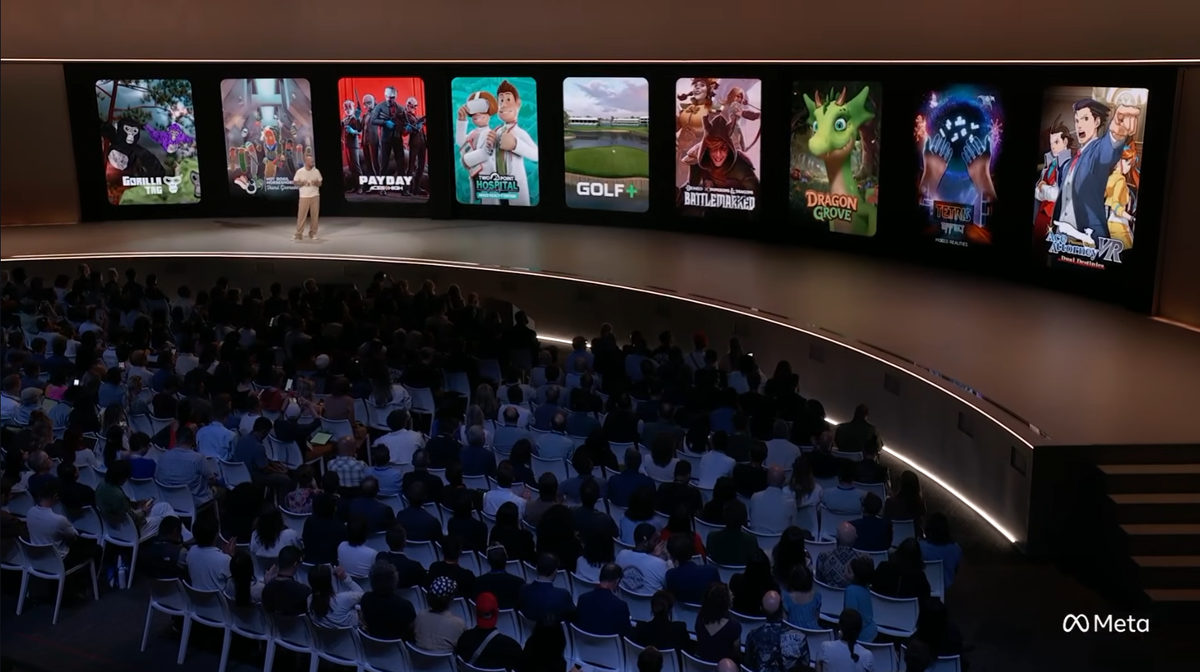
At the September Meta Connect event, the company unveiled plans for half a dozen new games slated for release around the launch window of its next-generation Meta VR Glasses. Anticipated titles include Tetris Effect Connected Mixed Realities and Phoenix Wright: Ace Attorney – Dual Destinies VR. While Meta has openly stated that its future VR strategy will be less game-centric, this substantial investment in third-party developers demonstrates a clear intent to remain a key publisher and enabler of VR gaming.
This funding is critical for ensuring that a wide array of genres and experiences are available to VR users. It supports developers who might otherwise struggle to secure the necessary resources for ambitious projects, thereby enriching the overall VR content library. This strategy mirrors advancements seen in other tech sectors, such as the development of specialized hardware like the Oxmiq AI chip design tools, which empower broader innovation.
Technical Considerations and Developer Roadmaps
Platform Integration and Audience Insights
Chris Pruett, Meta’s Director of Games, highlighted in a developer blog post that the company is providing more than just financial backing. Developers will gain access to valuable audience analyses and insights into what is currently performing well within Meta’s VR ecosystem. This data-driven approach is intended to help developers refine their strategies and align their projects with market demands and player preferences.
The guidance offered by Meta is designed to assist developers in charting a clear roadmap for the next twelve months. This includes understanding platform capabilities, target demographics, and potential monetization strategies. Such support is vital for navigating the complexities of VR development and ensuring commercial viability for new titles.
The Role of Developer Tools and Ecosystem Support
Effective development in the VR space often relies on robust tools and a supportive ecosystem. Just as advancements in areas like web-based simulators are streamlining circuit design, Meta’s support aims to simplify the path from concept to launch for VR game developers. By providing resources and strategic direction, Meta is actively working to de-risk development and encourage innovation.

This investment in third-party VR games is a strategic move to ensure the continued growth and appeal of Meta’s VR platforms. It acknowledges the vital role that external studios play in delivering diverse and engaging content, thereby strengthening the entire virtual reality market.
Field Readiness and Future Verdict
With over $120 million actively being channeled into third-party VR games, Meta is demonstrating a strong commitment to the future of virtual reality content. This funding is not merely a financial injection but a strategic enablement for developers, fostering a richer and more varied VR gaming landscape.
The success of this initiative will hinge on the quality and diversity of the games produced, as well as Meta’s continued support and engagement with its developer partners. By empowering external studios, Meta aims to secure a vibrant and sustainable future for VR gaming, ensuring its platforms remain at the forefront of immersive entertainment.
Source: UploadVR Hardware & XR