
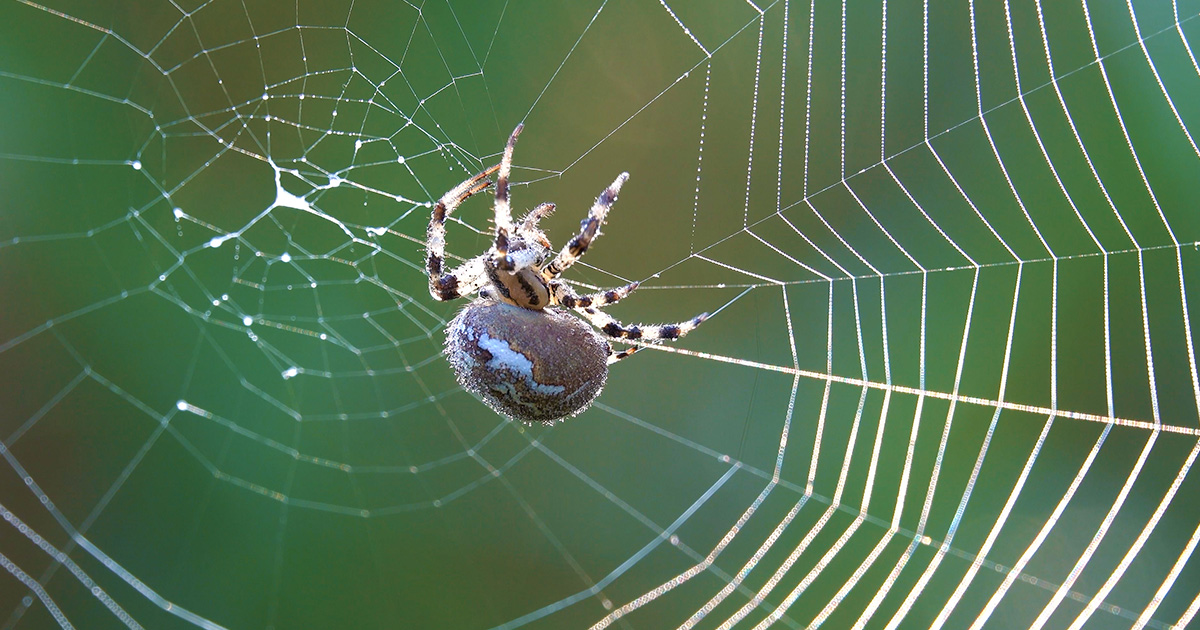
The 10-Second Story: Researchers have finally mapped the atomic-level process of how spiders turn a liquid protein mixture into silk that’s stronger than steel, a breakthrough that could lead to revolutionary new materials.
Nature’s Molecular Glue: The Condensate Secret
Imagine a spider, suddenly falling. In a fraction of a second, it deploys a lifeline – a strand of silk tougher than Kevlar. How does it do this? Spiders don’t just extrude solid material; they start with a liquid called ‘silk dope,’ a mix of proteins, water, and salt.
The real magic happens when this liquid transforms into a solid. Scientists have discovered that spiders use a process involving ‘condensates’ – tiny, liquid-like droplets of proteins that temporarily form before solidifying.
Think of it like a chef carefully arranging ingredients on a cutting board before cooking; the proteins are pre-organized in these fluid droplets, making them ready to assemble into strong fibers without getting tangled.
From Soup to Super-Fiber: The Spidroin Assembly Line
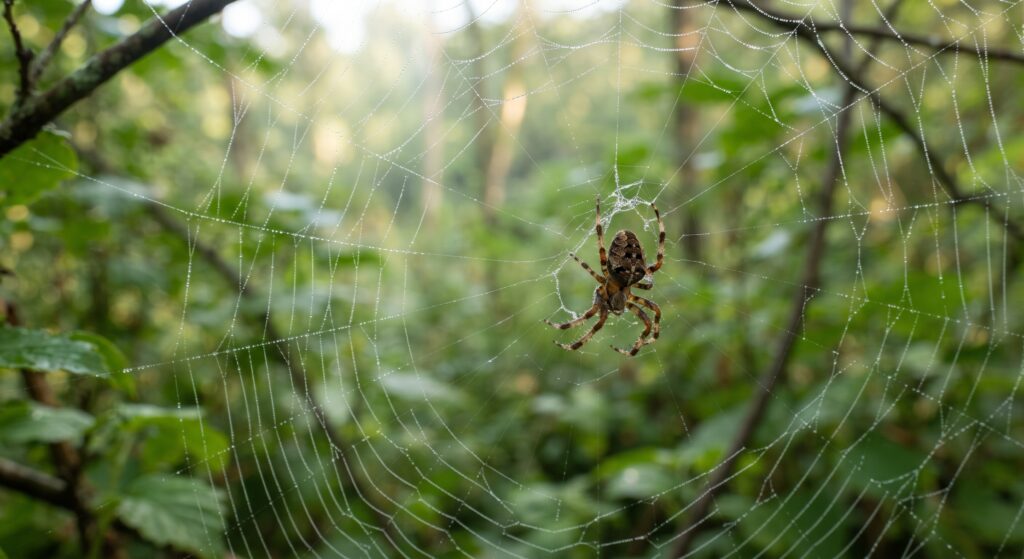
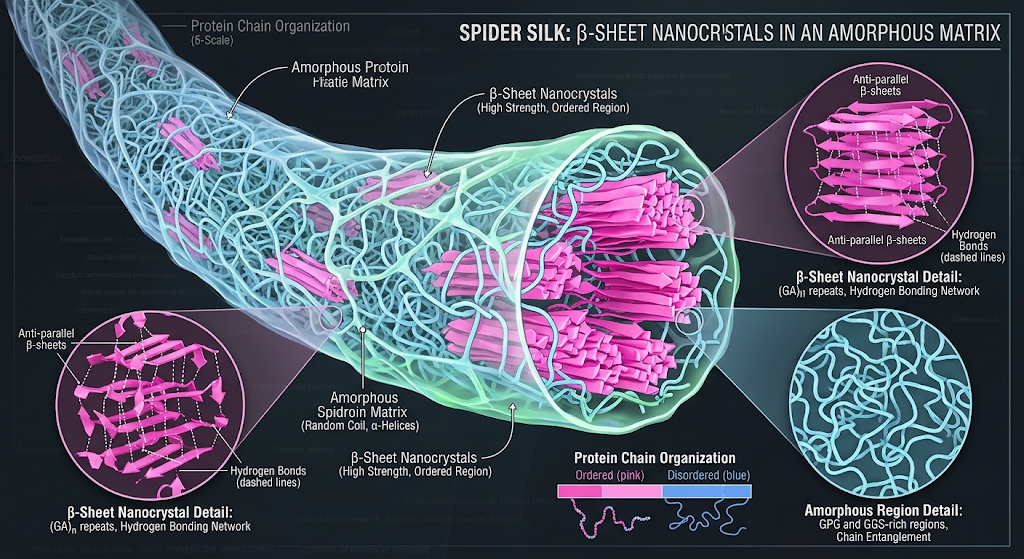
Spider silk is made from long, modular proteins called spidroins. For years, scientists knew these proteins were key, but understanding how their flexible, ‘disordered’ parts in the liquid dope organized into the rigid, crystalline structures of solid silk was a mystery.
The new research reveals that specific amino acids within the spidroins act like tiny ‘molecular stickers.’ When a chemical trigger, like phosphate, is introduced, these stickers cause the disordered protein regions to weakly interact, pushing out water and forming the dense, gel-like condensates.
These condensates then guide the spidroins into the highly ordered, beta-sheet structures that give spider silk its incredible strength, much like how individual LEGO bricks are clicked together to form a sturdy wall.
The Lab vs. The Spider: Mimicking Nature’s Masterpiece
While scientists can synthesize spidroin proteins in the lab, the resulting silk is never as strong as what spiders produce naturally. This is because the natural process is incredibly complex and efficient.
Spiders can create up to seven different types of silk, each with unique properties tailored for specific tasks – from sticky capture threads to strong anchor lines. The research suggests that the formation of condensates, and potentially other structures like micelles and liquid crystals, might not be a simple step-by-step process but a dynamic, simultaneous event.
Understanding these subtle molecular interactions and the precise triggers used by spiders is crucial for replicating their feat.
The goal is to engineer materials that are not only as strong as Kevlar but also flexible, biocompatible, and produced under ambient conditions, unlike the high-temperature, acidic processes required for synthetics.

The Future of Fiber: Beyond Bulletproof Vests
The implications of mastering spider silk production are vast. Imagine ultra-lightweight helmets, advanced medical scaffolds for tissue repair, or incredibly durable naval materials.
Because spider silk is biocompatible, it holds particular promise for regenerative medicine, potentially aiding in the repair of delicate tissues like brain cells.
While silkworms have been farmed for silk for millennia, their output is relatively weak compared to spider silk. Spiders, however, are difficult to farm in large numbers due to their cannibalistic nature and small silk yields.
Therefore, unlocking the secrets of their silk-spinning process is the key to mass-producing this remarkable material in the lab. The current findings provide a critical atomic-level blueprint, bringing us closer to harnessing nature’s toughest material for human innovation.
Field Readiness: Advanced Materials in Development
Status: Research & Development. While the fundamental science is rapidly advancing, large-scale, cost-effective production of synthetic spider silk that matches natural strength is still years away. However, progress in understanding condensate formation and protein assembly is accelerating the field.
Source: Originally reported by Techswire Aggregate (rss.app).