SUNLU Filament Drying Hardware: A Breakthrough in Print Consistency
A 3D print failing with the same file, printer, and settings that worked previously often points to a simple culprit: filament moisture absorption. This issue is particularly prevalent with materials like PETG, nylon, and TPU, where even overnight exposure can degrade print quality, leading to rough first layers and pervasive stringing. SUNLU’s new filament drying hardware aims to provide a robust solution to this persistent challenge in additive manufacturing.
Table of Contents
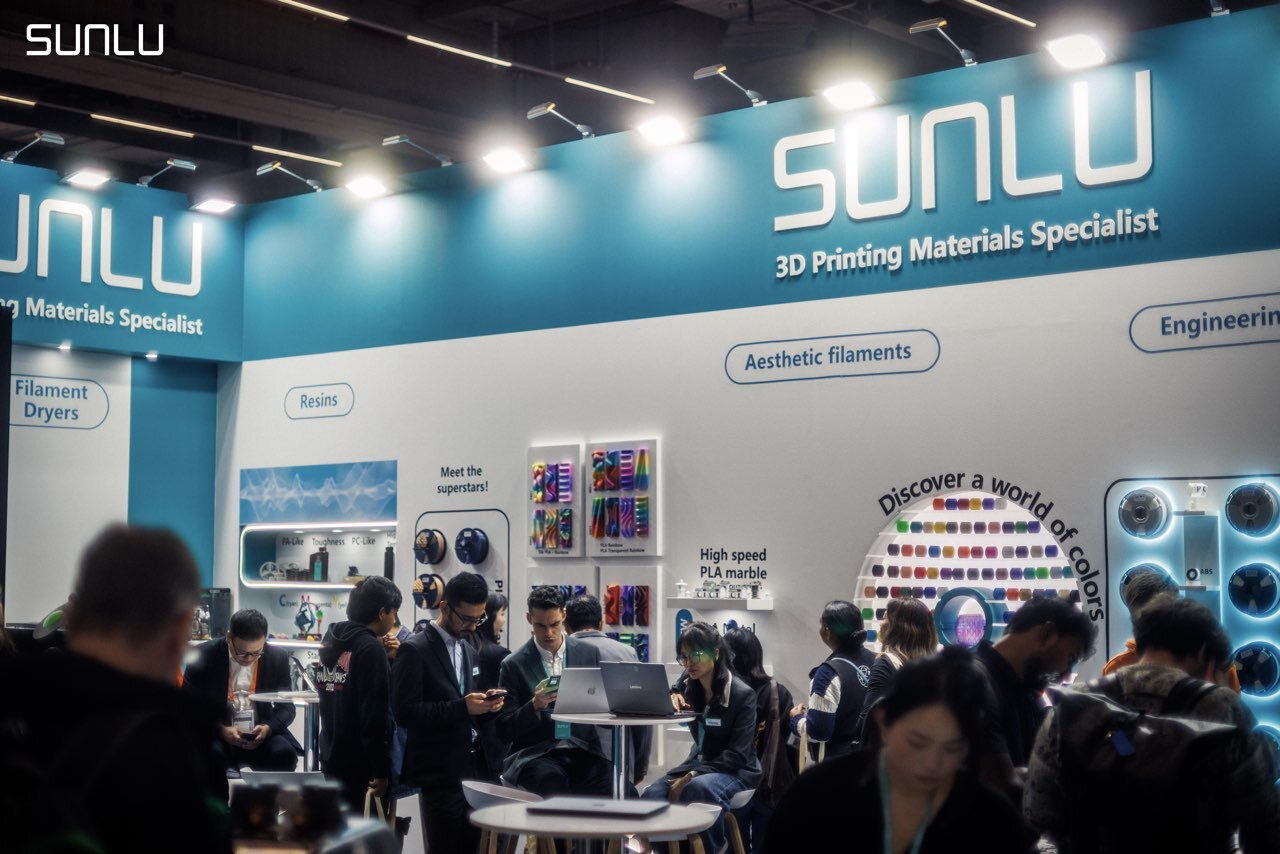
Addressing this common pain point, Chinese 3D printing technology firm SUNLU has introduced purpose-built tools designed to manage filament material effectively. Unveiled at Formnext 2026 in Frankfurt, the i10 Dehumidifying Cabinet and the S4 Pro Filament Dryer represent a significant step forward in material handling for 3D printing enthusiasts and professionals alike. These devices tackle distinct yet related aspects of filament preservation: the dryer actively removes existing moisture, while the cabinet maintains a dry environment for stored filament, preventing the need for drying before every print.
i10 Dehumidifying Cabinet and S4 Pro Dryer: Architecture and Specifications
The SUNLU i10 Dehumidifying Cabinet is engineered to create and maintain a low-humidity environment, crucial for preserving the integrity of hygroscopic filaments. Its internal architecture likely employs desiccants or a low-power dehumidification system to continuously regulate humidity levels, ensuring that filament remains in optimal condition for printing. This proactive approach prevents moisture absorption before it becomes a problem, streamlining the printing workflow.
Complementing the cabinet, the S4 Pro Filament Dryer actively tackles filaments that have already absorbed moisture. This device likely utilizes controlled heat and airflow to accelerate the drying process. While specific technical specifications regarding temperature ranges, drying times, and capacity were not fully detailed, the dual-system approach—storage and active drying—addresses the complete lifecycle of filament moisture management. This integrated system is designed to be more practical than the ad hoc solutions, such as sealed bags and silica packets, often employed by hobbyists.
Engineering Trade-offs and Limitations in Filament Management
The primary trade-off for adopting SUNLU’s dedicated filament drying hardware is the investment cost. While the reasoning behind a systematic approach is sound, the justification for the expense hinges on individual print volume, material sensitivity, and the tolerance for print failures. For users printing frequently with demanding materials like nylon or TPU, the cost may be offset by reduced material waste and improved print success rates. However, for those with lower print volumes or who primarily use less hygroscopic materials like PLA, the necessity of such dedicated hardware might be debatable.
Furthermore, the effectiveness of any filament drying system is intrinsically linked to the ambient environmental conditions. While the i10 cabinet aims to isolate filament from humidity, extreme ambient humidity could still challenge its performance over extended periods. Similarly, the S4 Pro dryer’s efficiency will depend on the degree of moisture saturation in the filament. It’s important to note that these devices are designed to manage moisture, not to fundamentally alter the filament’s material properties beyond their intended state. For advanced applications requiring specific material characteristics, exploring updated filament portfolios, such as SUNLU’s PLA+ 2.0 or High Speed PLA+ 2.0, might be more relevant, as detailed in their recent product updates.

Field Readiness and Verdict on SUNLU’s Filament Drying Solutions
SUNLU’s push into specialized filament drying hardware signifies a maturing market that increasingly values material management as a critical component of successful 3D printing. The company’s presence at Formnext 2026 and their engagement with users highlight a commitment to addressing real-world printing challenges. Mathieu Noguier’s presentation on the i10 emphasized the direct correlation between storage conditions and print consistency, underscoring the practical benefits of their system.
The timing of these product launches is particularly noteworthy, coinciding with SUNLU’s Black Friday campaign, which extends through November 30. This offers a compelling opportunity for users to acquire this specialized hardware at a reduced price. For serious 3D printing users, especially those working with advanced materials or operating in humid environments, SUNLU’s integrated drying and storage solutions represent a significant advancement. While not strictly essential for every user, this purpose-built filament drying hardware offers a tangible path to improved print quality and reliability, making it a worthy consideration for those seeking to optimize their additive manufacturing workflows.
Source: 3D Printing Industry