Toyota Electric Bike Concept: A Compact Mobility Solution
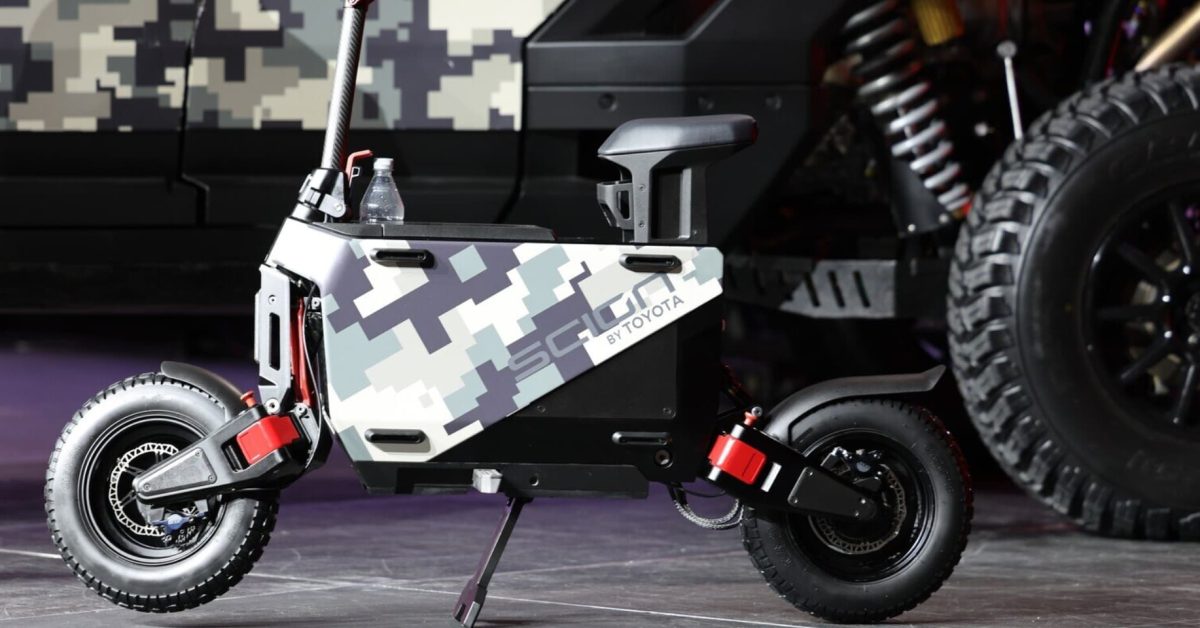
Toyota has introduced the BKE Concept, a novel folding electric bike engineered to enhance short-distance travel and outdoor excursions. This innovative two-wheeler is designed to be exceptionally compact, fitting neatly into the trunk of vehicles like the Toyota GR86 sports car. The BKE Concept represents Toyota’s exploration into versatile personal mobility, aiming to bridge the gap in last-mile transportation needs.
Table of Contents
Unveiled under the revived Scion by Toyota brand, which now functions as an experimental mobility laboratory, the BKE Concept showcases Toyota’s commitment to exploring unconventional vehicle designs. This initiative, dubbed a “freedom lab,” allows Toyota to develop concepts that extend beyond its traditional automotive offerings. The BKE is presented alongside other compact mobility solutions, including the KEI-01 ultra-compact utility truck and a hybrid side-by-side vehicle.
Engineering and Design Philosophy Behind the BKE Concept
Despite its concept status, the Toyota electric bike has been in development for several years by a dedicated team of chassis and electrical engineers. Their objective was to simplify short-distance travel and ensure seamless integration into daily routines. The core idea revolves around creating a secondary vehicle that can be conveniently transported within a primary vehicle.
Toyota envisions the BKE being utilized for various purposes, including camping trips, quick errands, and last-mile commuting. Its ability to recharge from 110V AC outlets found in many Toyota vehicles further enhances its utility, allowing the carrying vehicle to double as a mobile charging station. Toyota Chairman Akio Toyoda himself has been involved in the testing, providing valuable feedback that has led to design refinements, such as an enlarged rear fender to prevent splashing, embodying Toyota’s renowned kaizen philosophy of continuous improvement.
Technical Specifications and Market Readiness
Currently, Toyota has not disclosed specific technical details for the BKE Concept, including motor power, battery capacity, range, or top speed. Pricing and a production timeline also remain unannounced, as the company is positioning it strictly as a concept for now. However, the significant investment in years of development and testing suggests a strong potential for future production.
The underlying principle of matching vehicle size to trip distance is a key driver for this type of innovation. By offering a compact electric two-wheeler, Toyota aims to reduce emissions by promoting more efficient transportation choices for shorter journeys. This approach aligns with broader industry trends towards sustainable urban mobility and the development of specialized vehicles for specific use cases, much like how advancements in 3D printed antennas are enhancing satellite communication technology.

Verdict: A Promising Glimpse into Future Urban Mobility
The Toyota electric bike concept, while lacking concrete specifications, presents a compelling vision for personal transportation. Its compact, foldable design addresses the growing need for flexible and efficient mobility solutions in urban environments and for recreational activities. The emphasis on integration with primary vehicles and the potential for reduced emissions make it a noteworthy development.
While the absence of production plans is a current limitation, the dedicated engineering effort behind the BKE Concept suggests it is more than just a design exercise. Toyota’s foray into this segment highlights a strategic understanding of evolving consumer needs and a commitment to innovation in the micro-mobility space. The successful integration of AI in areas like enterprise infrastructure, as seen with Palo Alto Networks’ strategic deals, demonstrates how specialized technological advancements can unlock new possibilities across industries, a principle that could well apply to the future of personal transport.
Source: Electrek EV & Battery Tech