
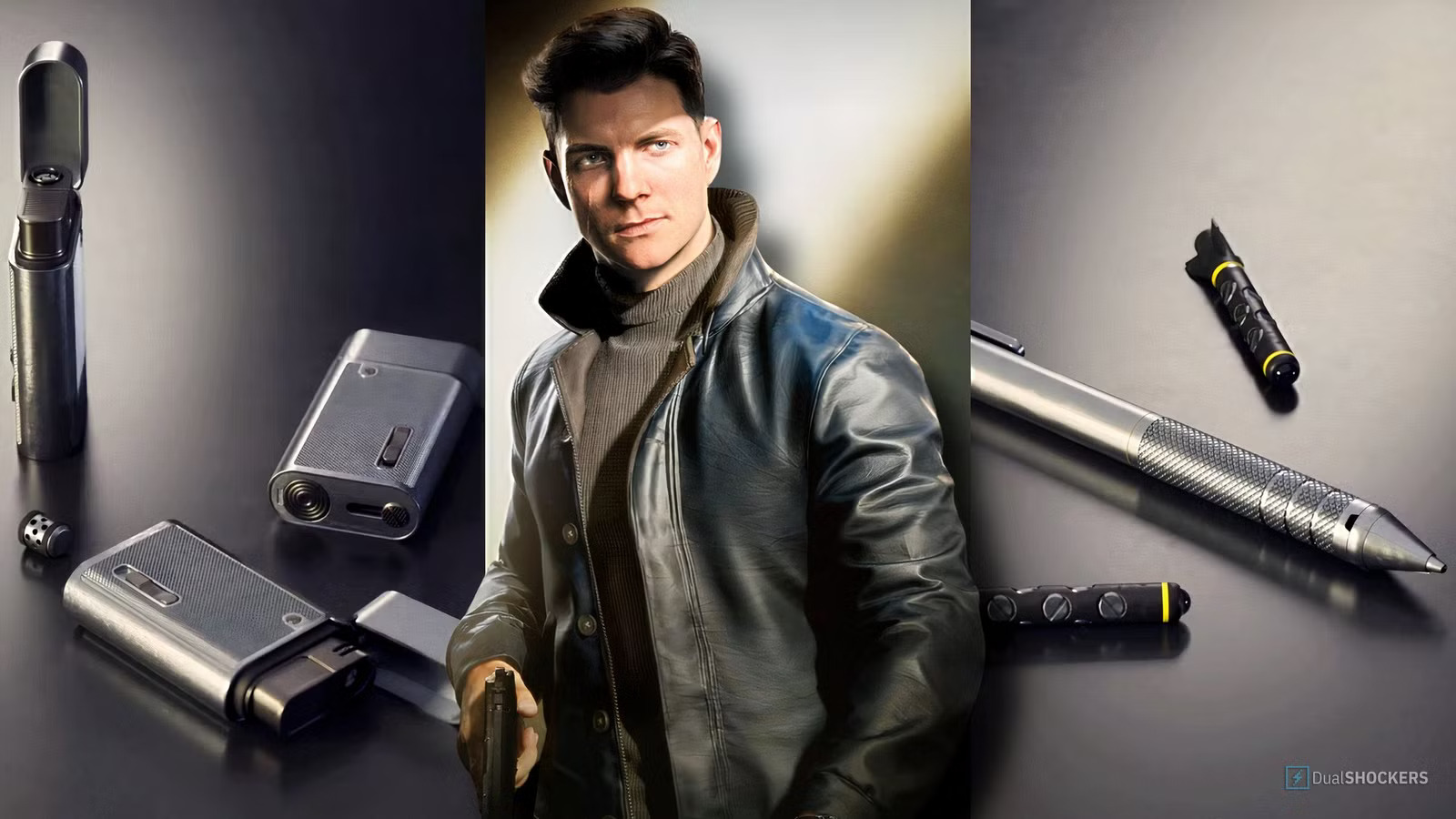
We’ve all been there. You’re crouching in a beautifully rendered shadow, slipping past a heavily armed guard patrol, and you pull out a piece of high-tech spy gear that feels entirely made up by a team of video game developers who watched too much science fiction.
When IO Interactive dropped 007 First Light, they didn’t just give us an incredible stealth-action sandbox; they gave us a playground of seemingly impossible gadgets. From phones that shoot sickness-inducing darts to cameras that emit kinetic shockwaves, the game feels like a peak fantasy trip to Q-Branch.
But here’s the absolute best part: It isn’t fantasy.
Behind the sleek UI and the video game balancing mechanics lies actual, cutting-edge engineering currently sitting in real-world defense labs, tech startups, and tactical testing facilities. Grab your tuxedo and your morning coffee—here are 5 mind-blowing technologies from 007 First Light that you probably thought were pure science fiction, but are secretly 100% real.
1. Personalized Biometric “Smart” Firearms
Let’s look at one of the cooler background details in the game: Bond’s weapons are fundamentally tied to his biometric profile. If an enemy guard manages to tackle Bond, disarm him, and turn his own weapon against him, the gun simply won’t fire.
It sounds like a convenient video game mechanic designed to keep your protagonist looking invincible, but smart guns are completely real.

In the real world, companies like Biofire have successfully built and commercialized biometric smart handguns. These aren’t clunky prototypes; they use a combination of a capacitive fingerprint scanner built right into the grip and a state-of-the-art 3D infrared facial recognition sensor on the back of the slide.
The moment you pick up the weapon, it recognizes your hand and face, unlocking an electronic firing pin in less than a fraction of a second. If an intruder catches you off guard and grabs the weapon, the gun instantly locks itself down. Real-world gun manufacturers literally invented a way to leave enemies “on read” during a firefight.
2. The Laser Strap: High-Power Micro-Diodes
We’ve seen James Bond use laser watches since the days of GoldenEye, but First Light modernizes the concept by integrating a high-intensity laser into a sleek watch strap mechanism. In-game, you use this compact beam of light to silently slice through heavy metal padlocks, sever thick cables to drop chandeliers, and sabotage electrical boxes.
Can you actually pack that much thermal energy into something the size of a smartwatch strap without melting your own wrist? Not quite yet—but we are terrifyingly close.
The magic here comes down to fiber laser technology and high-efficiency laser diodes. Today, you can go online and buy handheld laser tools that pump out immense amounts of localized heat. Portable laser rust removers, for example, look like sci-fi plasma rifles and can vaporize solid layers of oxidation or paint off steel in seconds without damaging the metal underneath.
On the military side, systems like Israel’s Iron Beam use directed energy to shoot down airborne mortar shells and drones. While a real-life version of Bond’s laser strap would currently require you to wear a backpack full of heavy lithium-ion batteries, the fundamental physics and the micro-diodes themselves are already here.
3. The Shockwave Camera: Directed Acoustic Weaponry
One of the loudest ways to make a silent exit in First Light is the Shockwave Camera. Disguised as a standard piece of photographer kit, pressing the shutter button emits a violent, concussive blast of energy that shatters windows, blasts open locked doors, and leaves armored enemies stumbling backwards in a daze.
While it looks like a kinetic force field straight out of a comic book, this gadget is heavily grounded in the science of LRADs (Long Range Acoustic Devices) and Sonic Weapons.
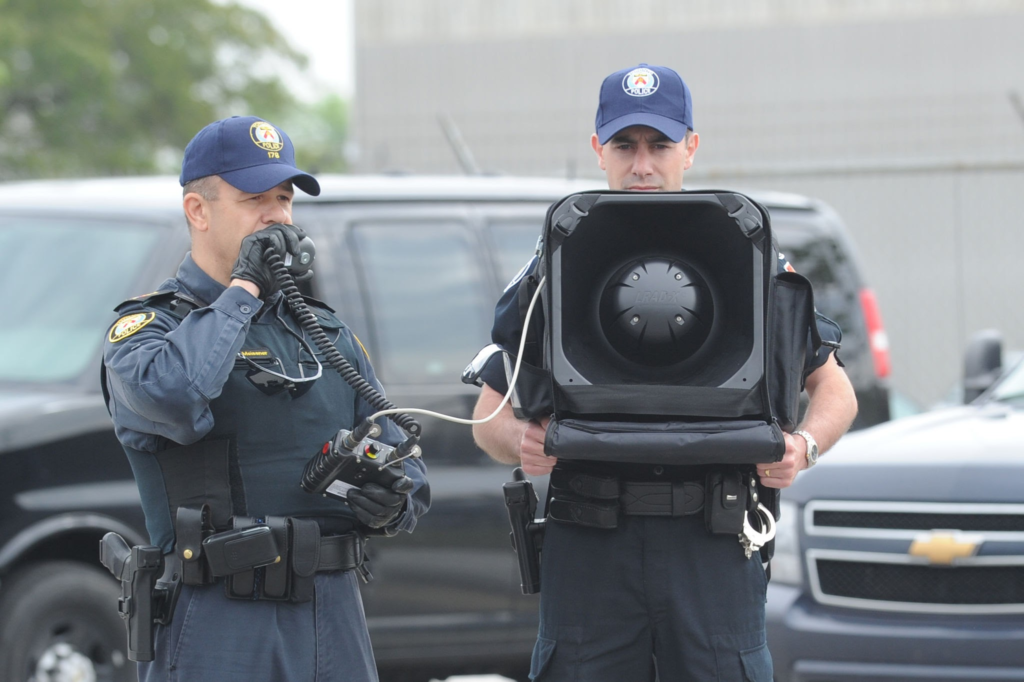
Sound isn’t just something we hear; it’s a physical pressure wave moving through the air. If you focus those waves tightly enough, sound becomes a literal hammer. Real-world navies and law enforcement agencies use truck- and ship-mounted LRADs to emit tightly focused, high-decibel “beams” of acoustic energy over massive distances.
If you stand in front of a real acoustic weapon, it doesn’t just sound loud; the pressure waves physically vibrate your skull, inducing instant, severe vertigo, intense nausea, and an absolute loss of balance. It’s essentially taking your neighbor’s terrible, maxed-out car subwoofer and turning it into a tactical crowd-control device.
4. The Q-Lens: Augmented Reality Wireframe Scanning
When you activate the Q-Lens in First Light, the entire world shifts into a digital, blue wireframe view. It instantly highlights hackable security cameras, hidden ventilation shafts, and tracks the heat signatures of guards moving behind solid concrete walls.
It feels like classic sci-fi/cyberpunk “detective vision,” but the military hardware equivalent is already being worn by soldiers.

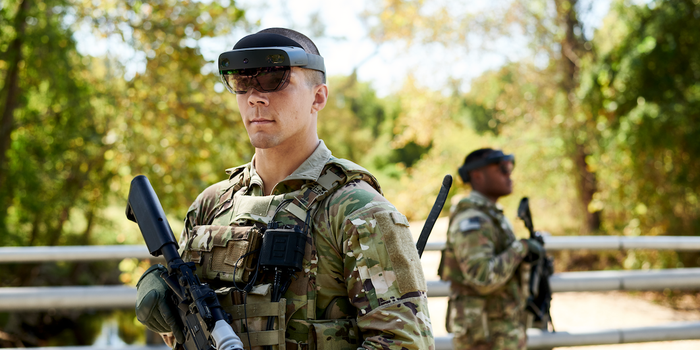
Look no further than the US Army’s IVAS (Integrated Visual Augmentation System), built on Microsoft’s HoloLens technology. IVAS is a ruggedized heads-up display goggle that overlays digital information directly onto a soldier’s field of view.
By linking the goggles to thermal imaging sensors and low-light cameras mounted on drones or squad vehicles, soldiers can literally “see” through the walls of a building before they step inside, track friendly forces through thick smoke, and receive real-time navigation waypoints floating in mid-air. The blue wireframe might be a stylistic video game choice, but the tactical reality of X-ray vision via network data is already standard operating procedure.
5. The Dart Phone: Transdermal Chemical Delivery
There is nothing quite as satisfying in First Light as firing a stealthy, silent emetic (vomit-inducing) dart from the top corner of your modified smartphone. You clip a guard from 30 paces away, he clutches his stomach, breaks his strict patrol route, and frantically runs off to find the nearest bathroom—leaving a secure vault completely unguarded.
It feels like a hilarious, cartoonish spy trope. Surely there isn’t a chemical compound that works that fast through a tiny dart, right?
Welcome to the terrifyingly rapid world of advanced pharmacology and transdermal micro-darts. While traditional tranquilizer darts used in wildlife conservation take several minutes to kick in, tactical biochemists have long perfected ultra-fast-acting incapacitants and liquid emetics.
Combined with modern micro-needle technology and compressed-gas delivery systems, the concept of a silent, instant-acting chemical delivery device hidden inside consumer electronics isn’t just possible—it’s a classic espionage engineering trick. The ultimate stealth tool isn’t a loud gun with a silencer; it’s just making a security guard think they ate incredibly questionable street food for lunch.
From Pixels to Prototypes
The next time you play through 007 First Light and pull out a gadget to bypass a camera or disable a security terminal, take a closer look at the design. The developers at IO Interactive didn’t just pull these ideas out of air. They looked at the bleeding edge of modern military tech, civilian tech startups, and engineering research labs, and asked: “How can we make James Bond play with this right now?”
It turns out that Q-Branch isn’t a fictional laboratory hidden beneath London. It’s just a reflection of the incredible, sometimes terrifying world of real-life modern technology.
Which piece of spy tech surprised you the most?
Drop a comment below and let us know! We’re actually breaking this article down into a series of deep-dive technical features. If you want to see exactly how the mechanics of biometric smart guns work under the hood—complete with real-world safety data and engineering schematics—click the link below for our deep dive!