ProMateria Launches Industrial Production of Additively Manufactured Metal Components
ProMateria GmbH, a new venture by GMH Gruppe, has officially commenced industrial production of additively manufactured metal components. This significant milestone follows approximately 12 months of intensive planning and implementation. The facility is set to produce its first batches of ready-to-install spare parts within the coming weeks, primarily for internal use across GMH Gruppe companies.
Table of Contents
Components designated for this initial production phase have already undergone rigorous qualification processes. ProMateria’s strategy involves starting with internal spare parts projects before expanding its additive manufacturing services to external industrial clients. The company’s expertise spans the production of critical spare parts, short production runs, and highly complex metal components.
Bridging Technology Development and Industrial Application
“With the launch of our production facility, we have successfully taken the step from technology development to industrial application,” stated Philip Stöhr, Commercial Director of ProMateria GmbH. He emphasized the transformative potential of additive manufacturing, enabling companies to produce components with unprecedented speed, flexibility, and economic efficiency.
Stöhr further elaborated on ProMateria’s ambition to translate these technological advantages into market-ready solutions collaboratively with their customers. The successful completion of early spare parts projects serves as a strong validation of the robust technological foundation established by the company.
Advanced Technology Stack for Diverse Manufacturing Needs
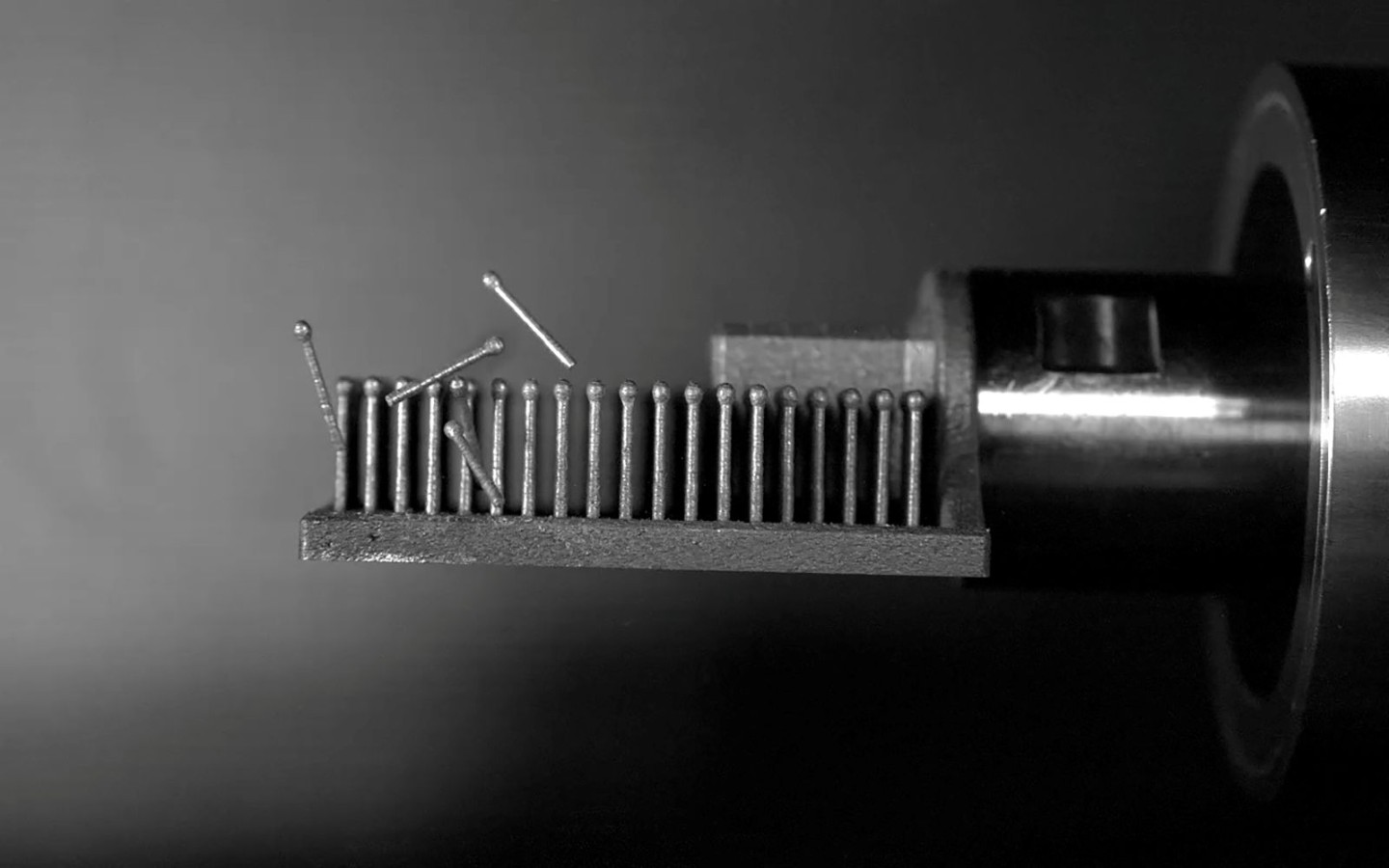
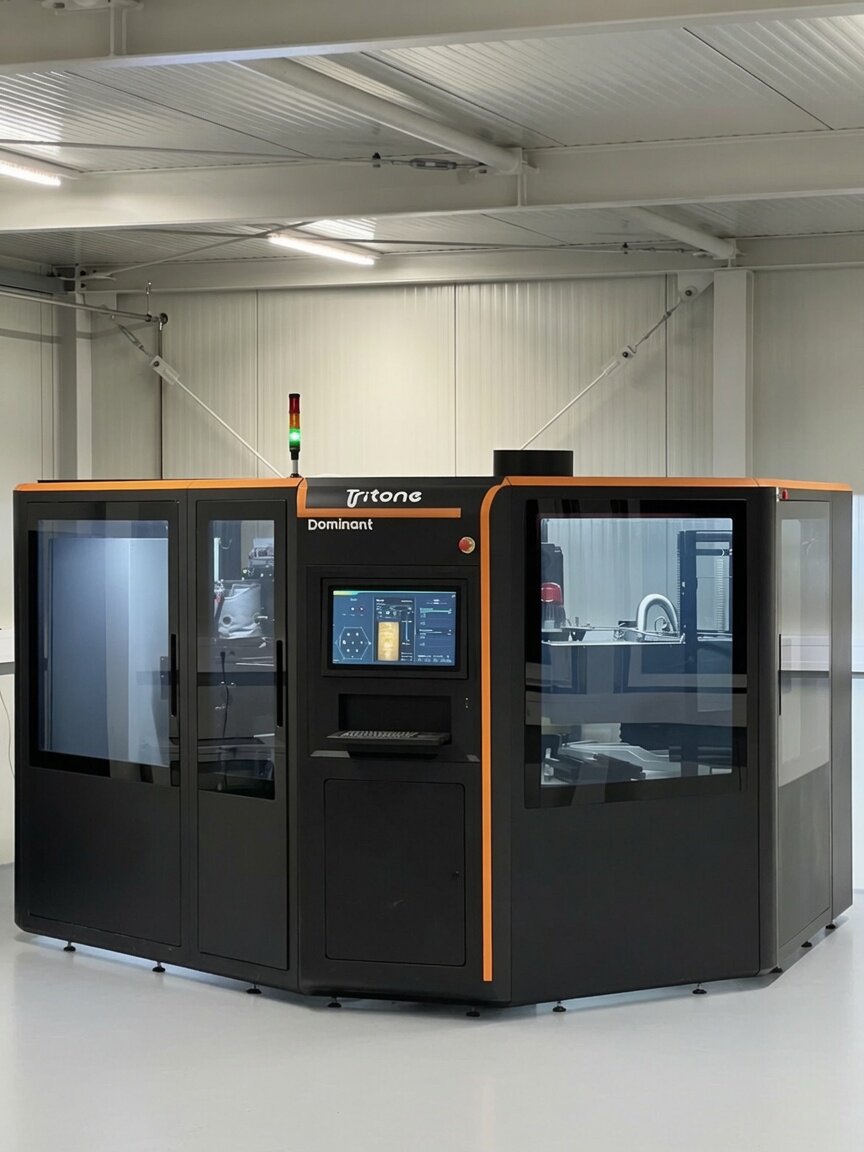
GMH Gruppe established ProMateria earlier this year to synergize its deep metallurgical expertise with cutting-edge additive manufacturing technologies. The company currently employs two primary production processes to cater to a wide range of client needs. The MoldJet process is specifically engineered for the serial production of intricate metal components.
Complementing MoldJet, the sintering process is adept at supporting both serial production requirements and development and qualification projects. ProMateria’s production infrastructure is designed with scalability in mind, allowing for the seamless integration of additional equipment as market demand grows. This forward-thinking approach ensures the facility can adapt to increasing production volumes and evolving technological landscapes.
GMH Gruppe’s Strategic Expansion into Additive Manufacturing
GMH Gruppe, a privately held European metal-processing powerhouse, operates over 20 steel, forging, and casting sites, employing approximately 6,000 professionals. Its extensive operations cater to a global clientele across more than 50 countries, serving diverse sectors including automotive, mechanical engineering, railway, energy, aerospace, and construction machinery. The group is also committed to sustainable practices, producing steel from recycled scrap using electric arc furnaces at four of its facilities.
Dr. Alexander Becker, CEO of GMH Gruppe, highlighted the strategic importance of this development. “This milestone demonstrates how GMH Gruppe is combining advanced materials expertise with digital manufacturing technologies to support the future of industrial production,” he remarked. He further noted that ProMateria significantly expands their additive manufacturing capabilities, opening new avenues to provide customers with innovative and cost-effective manufacturing solutions.

Future Outlook: Expanding Applications and Industry Integration
ProMateria is now poised to develop additional industrial applications in collaboration with customers and partners, moving beyond its initial focus on internal GMH Gruppe projects. The company’s next strategic phase will concentrate on broadening the application of additive manufacturing for components that present significant economic challenges when produced via conventional manufacturing methods.
This move aligns with broader industry trends, such as Precision Resource’s expansion of its metal additive manufacturing capacity and General Motors’ integration of additive manufacturing across its production network. While GM’s deployment involves FDM 3D printing for tooling and fixtures, ProMateria’s focus on complex metal components for spare parts and small runs highlights a different, yet equally vital, segment of the additive manufacturing market. The ability to integrate additively manufactured metal components into existing production networks, as ProMateria is doing, is crucial for unlocking new efficiencies and capabilities in modern manufacturing.
The successful establishment of ProMateria’s industrial production facility represents a significant advancement in making additively manufactured metal components a viable and scalable solution for a wide array of industrial applications.
Source: 3D Printing Industry