The 10-Second Story: EV Advocacy Fuels Political Upset
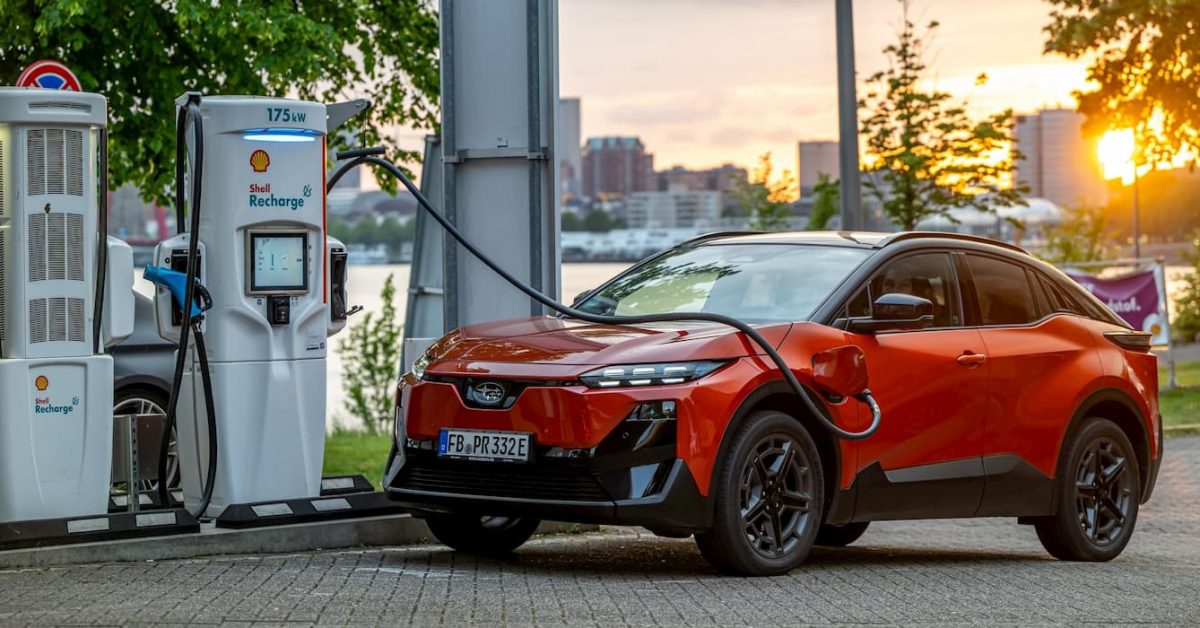
In a significant political shift, an 11-term Congressional representative known for her skepticism towards climate action and electric vehicles has lost her seat. This outcome follows a public exchange where she appeared to mock a 10-year-old constituent’s letter advocating for EVs and environmental policies. The election results highlight a growing disconnect between some established political figures and the increasing public embrace of sustainable technologies like electric vehicles.
Table of Contents
Christian Mango’s EV Letter and Congresswoman Foxx’s Response
The controversy began when 10-year-old Christian Mango, inspired by a school assignment, penned a letter to his Congressional representative, Virginia Foxx. Christian articulated the benefits of electric vehicles, noting their environmental advantages, lower operating costs, and lack of reliance on gasoline. He also proposed a $5,000 tax rebate for EVs and expressed concerns about climate change, the melting glaciers, and global air pollution.
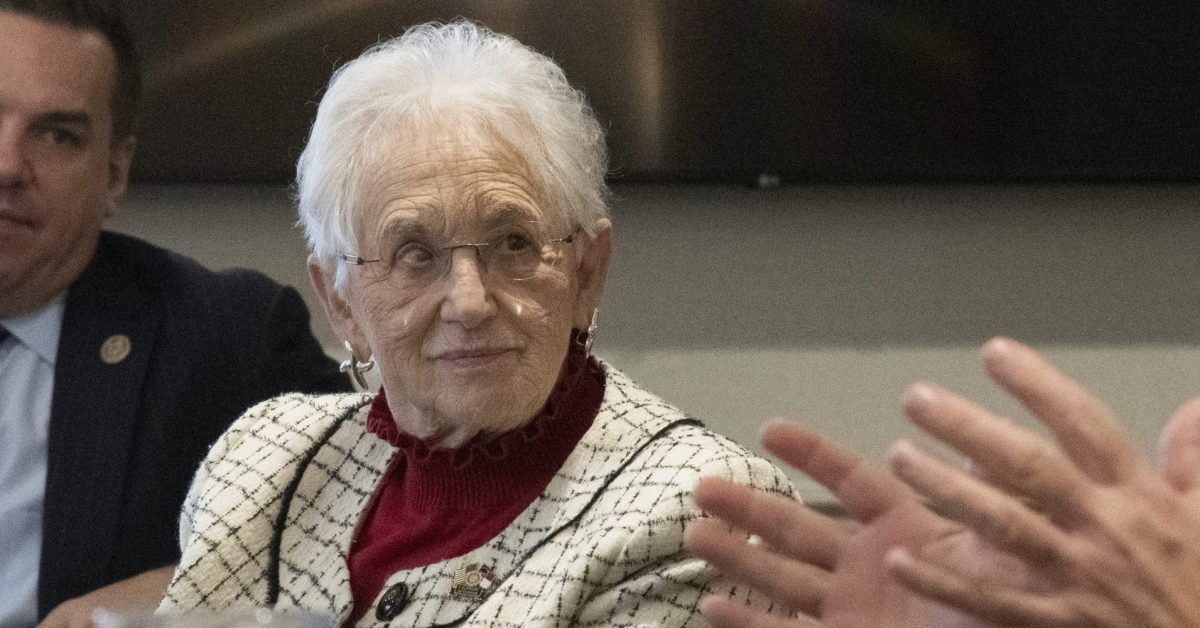
However, the response from Congresswoman Foxx, an 83-year-old representative, was widely criticized as dismissive and hostile. Foxx’s letter, which included links to climate-denying publications, did not directly address the merits of electric vehicles. Instead, it seemed to brag about the national debt and disparaged teachers, framing Christian’s concerns as political indoctrination.
Foxx’s Stance on EVs and Fiscal Policy Under Scrutiny
Foxx’s response drew particular ire for its apparent contradictions and misinformation. She claimed to support an “all of the above” energy policy but provided links from outlets that deny climate science. Notably, her arguments against EV tax credits, citing them as benefiting higher-income individuals, were contradicted by her voting record. She had voted for measures that repealed incentives for lower-income earners and used funds from energy efficiency programs to provide tax giveaways to the wealthy.
The article highlights that the bill Foxx supported would add approximately $4 trillion to the national debt. This fiscal action stands in stark contrast to her criticism of Christian’s generation being responsible for the debt, a burden she herself voted to exacerbate. This situation underscores the broader debate surrounding fiscal responsibility and the long-term economic implications of energy policy choices.
Election Upset: The Political Fallout of Climate and EV Stance
The election update reveals that Virginia Foxx has lost her seat to Democrat Chuck Hubbard by a narrow margin of 330 votes, following a recount. This outcome is particularly significant given that North Carolina’s 5th district is considered heavily Republican and had been subject to gerrymandering efforts. The unexpected loss suggests that voter sentiment has shifted, potentially influenced by Foxx’s public stance on critical issues like climate change and the future of transportation.
The election results demonstrate a potential electoral consequence for politicians who dismiss scientific consensus on climate change and the transition to sustainable technologies. The mainstreaming of electric vehicles, as seen even in popular culture like GTA 6 showcasing electric vehicles, indicates a broader societal acceptance that may be influencing political outcomes.
The Broader Implications for Technology and Policy
This election serves as a potent reminder of how technological advancements and environmental concerns can intersect with political discourse. The increasing viability and adoption of electric vehicles, supported by initiatives like smart home energy management systems that can integrate with EV charging, are no longer niche topics but central to policy debates. The defeat of a long-serving representative who openly mocked a child’s advocacy for these technologies sends a clear message about evolving voter priorities.
As the political landscape shifts, the focus on sustainable energy and transportation solutions is likely to intensify. The success of candidates who embrace these issues, even when challenged by entrenched political opposition, signals a potential turning point. This trend aligns with broader technological advancements, such as the innovations seen in custom firmware that can unlock new features for various devices, suggesting a future where technology and policy are increasingly intertwined for societal benefit.

Engineering Trade-offs and Limitations in Political Discourse
The narrative surrounding Congresswoman Foxx’s response illustrates a critical trade-off in political communication: the balance between expressing a viewpoint and engaging constructively with constituents, especially young ones. Her reliance on links from climate-denying sources, rather than engaging with the scientific consensus or the practical benefits of electric vehicles, represents a failure to adapt to evolving technological and environmental realities.
This approach mirrors a broader challenge in technical fields where dismissing data or established principles leads to flawed outcomes. Just as advancements in areas like ultrasound support removal in metal AM require rigorous adherence to scientific processes, effective policy-making necessitates an understanding of current technological capabilities and future trends, including the growing market for electric vehicles.
Field Readiness and Verdict: A Mandate for Climate Action
The election of Chuck Hubbard over Virginia Foxx can be interpreted as a mandate from the constituents of North Carolina’s 5th district for a more forward-looking approach to climate and energy policy. The narrow margin of victory, despite gerrymandering, underscores the power of voter engagement on issues that directly impact future generations, such as the widespread adoption of electric vehicles.
Ultimately, the story of Christian Mango’s letter and its political repercussions highlights the growing influence of environmental awareness and technological progress on the electorate. It suggests that politicians who fail to acknowledge and adapt to these shifts, particularly concerning the transition to cleaner transportation like electric vehicles, risk being left behind. The verdict is clear: the future demands engagement with, not dismissal of, the challenges and opportunities presented by climate change and sustainable technology.
Source: Electrek EV & Battery Tech