Global Maritime Security Incidents Surge Amidst Escalating Threats
The frequency of maritime security incidents has reached its highest weekly level since mid-October, with a recent attack on a tanker in the Strait of Hormuz underscoring the escalating dangers to commercial shipping. This surge in attacks, spanning the Middle East and the Black Sea, is causing significant disruption to global trade routes and raising serious concerns among maritime security analysts and industry stakeholders.
Table of Contents
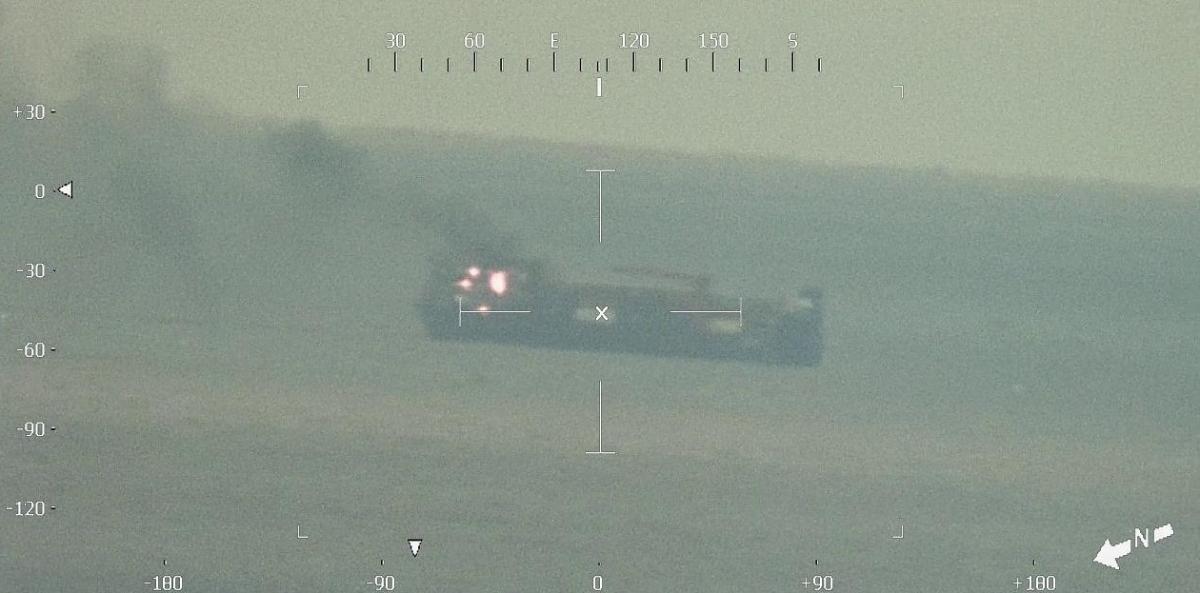
The latest incident involved a tanker struck by an unknown projectile eight nautical miles north of Khasab, Oman, while transiting outbound through the vital Strait of Hormuz. The attack, which ignited a fire on the vessel’s port bow, resulted in no reported casualties or environmental impact, according to UK Maritime Trade Operations (UKMTO). Authorities are currently investigating the precise cause and perpetrators of this attack.
Escalating Attacks and Their Impact on Global Trade
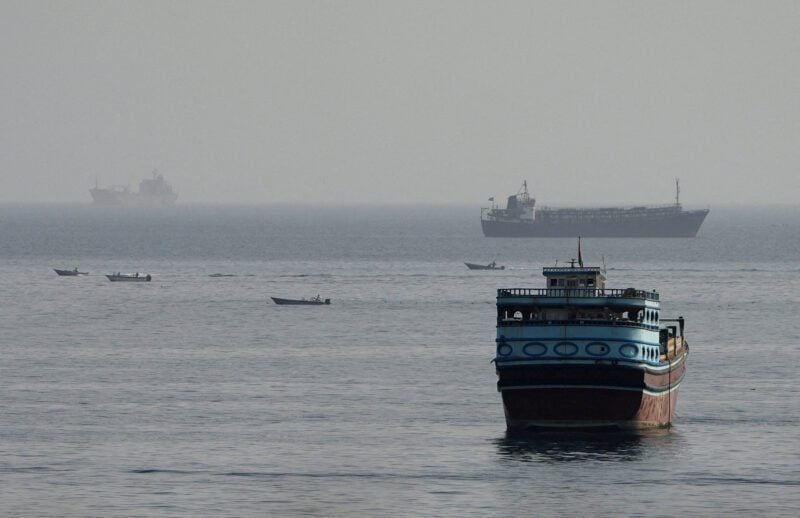
Maritime security analyst Martin Kelly of Orbital Risk Intelligence reported a staggering 15 attacks and piracy-related incidents across various regions in the past week alone. This represents a 50% increase from the preceding week, marking the most intense period of activity since mid-October. The Persian Gulf, Strait of Hormuz, and Gulf of Oman have been particularly affected, with seven strikes recorded against six vessels.
Four tankers were targeted within a tight 13-nautical-mile radius of Khasab over a mere three days. Notably, the LPG tanker TARA GAS endured two separate attacks, highlighting a concerning pattern of concentrated aggression. These violent encounters have tragically resulted in the disappearance of two seafarers and injuries to thirteen others, according to Kelly’s assessments.
The security situation has directly impacted commercial traffic. UKMTO data reveals a significant decrease in vessel transits, with combined traffic remaining approximately 65% below pre-conflict levels. This reduction underscores the tangible economic consequences of the heightened security risks, potentially leading to increased shipping costs and delivery delays.
Black Sea and Gulf of Aden: Expanding Arenas of Conflict
The threat to shipping is not confined to the Middle East. The western Black Sea has also witnessed a dramatic rise in attacks, with six commercial vessels struck in the past week. This includes the sinking of two ships in Bulgaria’s exclusive economic zone on consecutive days, the general cargo ship BETUL 8 and the LPG tanker GAS HUSKY. Fortunately, all 31 seafarers aboard were rescued.
Maritime security firm Ambrey attributes these Black Sea incidents to an escalating Russian campaign involving unmanned aerial and surface vessels. The proximity of these attacks to NATO member states Romania and Bulgaria has amplified concerns about regional stability and the safety of critical maritime infrastructure.
Furthermore, piracy-related activity has resurged in the Gulf of Aden and the western Indian Ocean. Reports indicate multiple incidents involving armed skiffs approaching vessels, with armed guards on one cargo ship firing warning shots to deter an attempted boarding. Another incident saw six armed men fire shots at a bulk carrier, forcing its security team to return fire.

Technological Advancements and Future Outlook
The increasing sophistication of attacks, from projectile strikes to drone warfare, necessitates advanced countermeasures and intelligence gathering. Technologies like those being developed for AI training data generation, such as those facilitated by NVIDIA Cosmos Data Factory, could play a role in simulating threat scenarios and developing more robust defense strategies. Understanding complex patterns in these attacks may eventually benefit from advanced analytical tools, similar to how the Hough Transform has revolutionized computer vision.
The Joint Maritime Information Center (JMIC) continues to classify the threat to commercial shipping in the Strait of Hormuz as SEVERE, with a high likelihood of further deliberate attacks. The concentration of incidents around the Strait of Hormuz and the western Black Sea suggests that maritime security analysts anticipate continued strikes against commercial vessels in the immediate future.
The evolving landscape of maritime threats demands constant vigilance and adaptation. As these incidents continue to unfold, the global community closely monitors the geopolitical implications and the impact on international trade, emphasizing the critical need for sustained efforts to ensure the safety and security of vital shipping lanes worldwide.
Source: gCaptain Maritime Tech