Maine Heat Pump Rate Revival Unlocks Winter Savings Amidst Volatile Fuel Costs
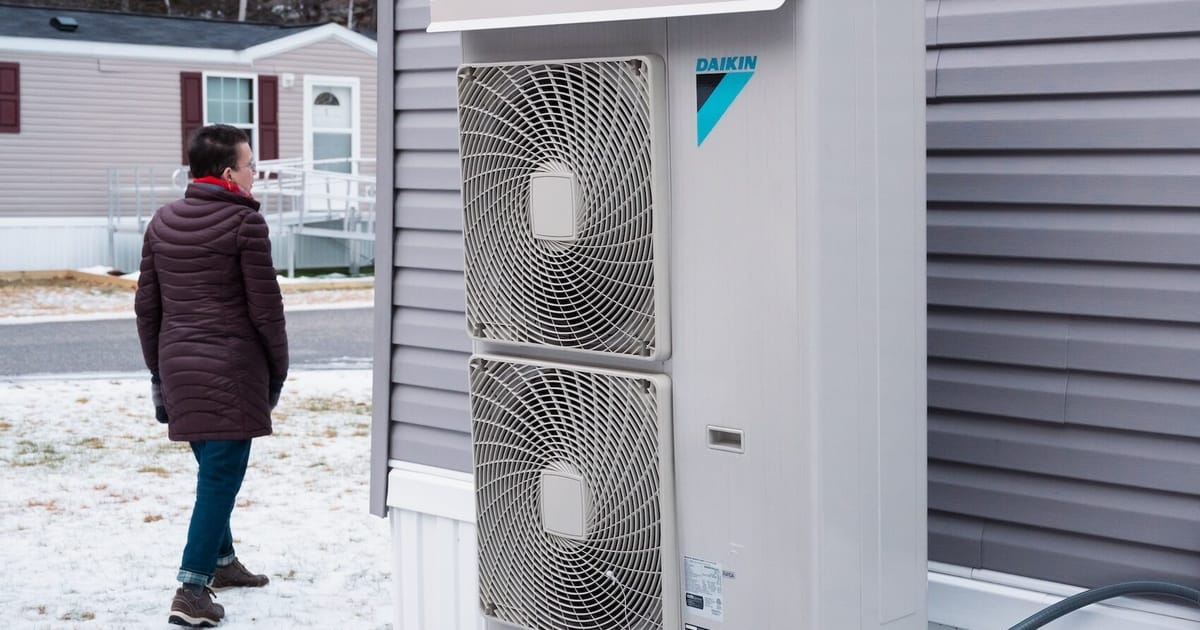
The much-anticipated heat pump rate in Maine has been successfully revived, offering a significant financial incentive for homeowners to transition away from expensive heating oil. This initiative, spearheaded by Central Maine Power (CMP), aims to make winter heating more affordable for thousands of households by providing discounted electricity rates.
Table of Contents
Regulators have approved a new rate structure designed to encourage the adoption of heat pumps, a more efficient and less volatile heating solution compared to traditional oil furnaces. The program, set to commence on December 1st, is projected to deliver substantial annual savings for participating customers, especially as global energy markets remain unpredictable.
Understanding the New Heat Pump Rate Structure
Central Maine Power’s approved rate structure for heat pump owners introduces a dual-pricing model. During the critical winter months, participating customers will see transmission and distribution charges eliminated. They will only be responsible for the cost of their electricity supply, which is set at 13.63 cents per kilowatt-hour as of the new year.
A modest monthly fee of approximately $41 will apply to these accounts. This contrasts with the standard rate households, who pay a slightly lower monthly fee but face higher per-kilowatt-hour charges without the winter transmission and distribution waivers. The program is voluntary, allowing customers to opt-in based on their expected energy consumption patterns.
Summer Season Adjustments and Net Financial Benefits
To balance the winter discounts, the heat pump rate will feature higher per-kilowatt-hour charges during the summer months. Customers under this plan will pay 25 cents per kWh, a notable increase from the standard rate’s 12 cents per kWh. This seasonal adjustment is designed to ensure overall fairness in electricity pricing.
CMP’s analysis indicates that the winter savings are expected to outweigh the increased summer costs. For a household consuming 500 kWh in the summer and 1,200 kWh in the winter, the projected annual savings reach $211 compared to standard electricity rates. This financial advantage is expected to bolster the appeal of heat pumps over fossil fuel heating systems.
Historical Context and Market Drivers for Heat Pump Adoption
The initial pilot program for the heat pump rate, launched at the beginning of 2023, expired without an extension due to findings that it did not yield significant customer savings or influence usage patterns substantially. However, the current energy landscape has dramatically shifted the economic calculus.
The ongoing geopolitical conflicts have driven heating oil prices to near $6 per gallon, making the cost of traditional heating systems increasingly burdensome for many Mainers. This price volatility has amplified the urgency for alternative, more stable heating solutions like heat pumps. Regulators recognized that the current economic climate makes the heat pump rate a far more compelling proposition for driving adoption.
“The cost of delivered fuels is incredibly high right now,” noted Alex Lopez, senior manager of regulatory policy at electrification nonprofit Rewiring America. “Heat pumps represent an opportunity to upgrade heating systems with a fuel that is less volatile, more efficient, provides healthier indoor air quality… there’s just so many benefits.”
Broader Trends: Heat Pump Rates Gaining National Traction
Maine is not alone in exploring innovative electricity rate structures to promote heat pump adoption. Massachusetts has mandated similar seasonal rates for its major electric utilities, resulting in over $37 million in customer savings during the first winter season alone. Minnesota’s Xcel Energy offers a program that reduces seasonal rates for homes utilizing electric heat, including heat pumps.
Utilities in Colorado are now required to consider heat pump discounts in their future rate requests. New York is also actively investigating how to modify its existing time-of-use rates to create greater savings for heat pump users. These initiatives underscore a growing recognition of heat pumps as a key technology for decarbonization and energy affordability.
Engineering Considerations and Grid Load Management
Supporters of these specialized electricity rates emphasize that they are not subsidies but rather a fair reflection of infrastructure usage costs. The electric grid is engineered to handle peak demand, which traditionally occurs on hot summer days when air conditioning loads are highest. During winter, there is often ample capacity to accommodate the increased electricity demand from heat pumps without requiring immediate grid upgrades.
As more homes adopt heat pumps, the winter electricity demand may eventually rival or exceed summer peaks. At such a juncture, new rate-setting methodologies will be necessary to ensure grid stability and fairness. However, for the present, the heat pump rate serves as a crucial tool to facilitate the transition towards electrification and optimize the utilization of existing grid infrastructure.
“Heat pump rates are a tool that will help us through that transition,” Alex Lopez stated. “They are a bridge solution.” This approach aligns with broader efforts in energy management, similar to how advancements in areas like the NVIDIA cuDSS 1.0 are unlocking significant performance gains in complex computational tasks, demonstrating how targeted technological and policy interventions can yield substantial benefits.
Field Readiness and Verdict on Maine’s Initiative
The revival of the heat pump rate in Maine represents a pragmatic response to current energy market realities and a strategic move to accelerate the adoption of cleaner, more efficient heating technologies. The program’s design, balancing winter savings with summer adjustments, appears well-calibrated to provide tangible financial benefits to consumers.
With heating oil prices remaining high and volatile, the discounted electricity rates offer a much-needed reprieve for homeowners. The success of similar programs in neighboring states provides a strong precedent for the potential savings and behavioral shifts expected in Maine. This initiative is poised to encourage more households to embrace heat pumps, contributing to both individual energy affordability and broader state-level decarbonization goals.
The program’s effectiveness will be closely monitored, particularly its impact on overall electricity consumption patterns and its contribution to reducing reliance on fossil fuels. As the transition to electric heating gains momentum, the heat pump rate stands as a critical policy lever, bridging the gap towards a more sustainable and affordable energy future for Maine residents.
Source: Canary Media Clean Energy Tech