Alaska Solar Farm Unlocks Zinc Mine Efficiency
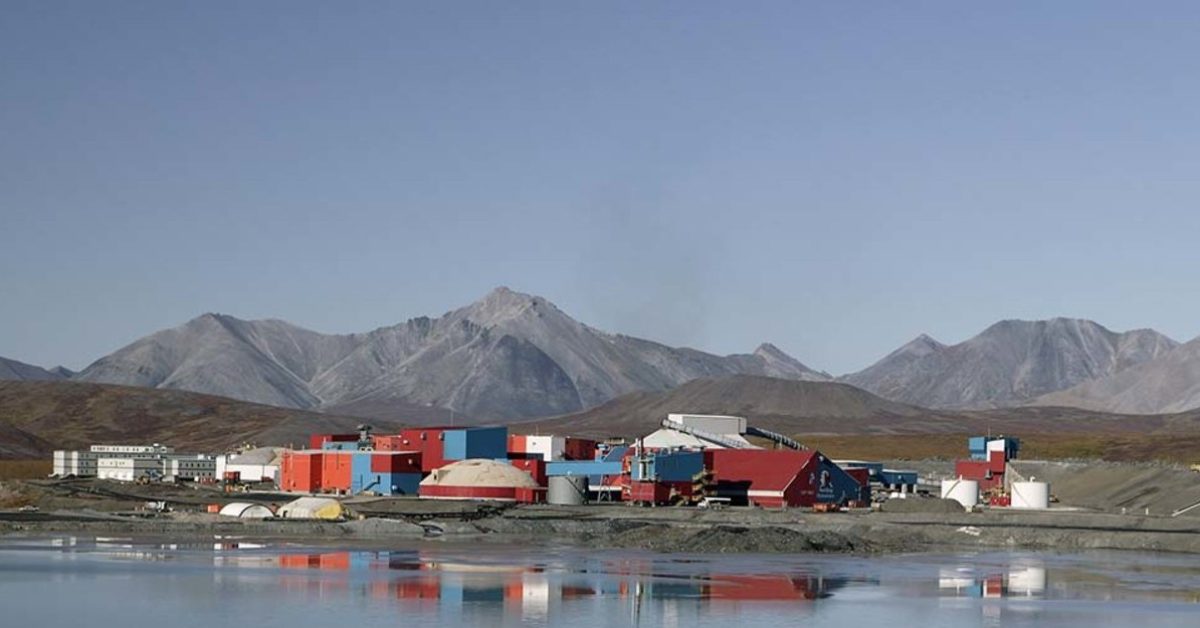
The Red Dog Mine in Alaska, one of the largest zinc producers globally, is set to undergo a significant energy transformation with the development of the state’s largest solar farm. This ambitious project aims to drastically cut the mine’s reliance on diesel fuel, which currently accounts for approximately 40,000 gallons consumed daily. The introduction of an 8.8-megawatt (MW) solar array coupled with substantial battery storage marks a pivotal step towards sustainable operations in a remote Arctic environment.
Table of Contents
The Alaska Energy Authority has given its full backing to this initiative, approving a nearly $5 million loan through its Power Project Fund. This financial support underscores the project’s importance for both economic and environmental reasons. Tugliq Red Dog1 will be responsible for the construction, ownership, and operation of the approximately $35 million solar project, selling the generated electricity to the mine’s operator, Teck Alaska.
Projected Timeline and Scale
Site work for this groundbreaking project commenced in June, with the solar and storage systems slated to become operational by October 2028. Located over 100 miles north of the Arctic Circle on land owned by the Iñupiat-owned NANA corporation, the Red Dog Mine presents unique logistical challenges. The planned solar array will span approximately 30 acres and feature over 15,000 panels, making it the largest solar installation in Alaska to date.
This initiative is more than just an energy upgrade; it’s a strategic move to enhance operational stability and prepare for the mine’s eventual closure. The current power infrastructure relies entirely on on-site diesel generators, which can lead to power supply issues during peak summer demand. The new solar farm and an 8.8 MW, 15 megawatt-hour (MWh) battery system will provide a crucial supplementary power source, mitigating these operational bottlenecks.
Hardware Architecture and Energy Integration
The core of this project involves the deployment of a large-scale photovoltaic system designed to withstand the harsh Arctic climate. The 8.8 MW solar capacity is expected to meet around 5% of the mine’s current electricity demands under its existing operational framework. This figure highlights the scale of energy consumption at the mine but also points to the significant potential for renewable energy integration.
The integrated 15 MWh battery storage system is a critical component, designed to store excess solar energy generated during daylight hours and discharge it during periods of high demand or low solar production. This capability is essential for ensuring a consistent and reliable power supply, especially given the mine’s operational intensity during summer months. The synergy between solar generation and battery storage is key to reducing the mine’s carbon footprint and operational costs.
Future-Proofing Operations Post-Mining
Beyond the immediate operational benefits, the Alaska solar farm is strategically positioned to serve the site’s needs long after active mining ceases. Once mining operations conclude, the solar and storage system is projected to cover approximately 90% of the site’s annual electricity requirements. This will be crucial for powering essential post-mining activities, such as environmental monitoring, site remediation, and long-term water treatment processes.
Teck estimates that current deposits will sustain operations until 2031, with ongoing studies into the feasibility of developing nearby reserves. Should an expansion proceed, the solar and battery project’s contribution to the overall electricity needs would decrease to an estimated 3%, reflecting the increased demand of a larger operation. However, the long-term vision remains focused on a sustainable energy future for the site.
Engineering Trade-offs and Environmental Impact
The decision to implement a large-scale solar farm in such a remote and challenging environment involves considerable engineering trade-offs. The extreme temperatures, prolonged periods of darkness during winter, and the need for robust infrastructure to withstand Arctic conditions are significant factors. The project’s success hinges on the durability and efficiency of the solar panels and battery systems in these demanding circumstances.

Furthermore, the environmental impact extends beyond reducing diesel consumption. The construction phase requires careful management to minimize disturbance to the sensitive Arctic ecosystem. The long-term benefits of reduced greenhouse gas emissions and decreased reliance on fossil fuels are substantial, aligning with global trends towards decarbonization in heavy industries. This project serves as a compelling case study for other remote industrial operations considering renewable energy transitions, much like how advancements in areas like GPU-accelerated DuckDB are unlocking new efficiencies in data processing.
Field Readiness and Verdict
With site work already underway and an expected online date in late 2028, the project is progressing towards its implementation phase. The unanimous approval from the Alaska Energy Authority and the substantial loan indicate strong confidence in the project’s viability and the operator’s commitment. The scale of the 8.8 MW solar farm and its integrated battery storage represents a significant technological leap for industrial power in Alaska.
The Red Dog Mine’s adoption of this large-scale Alaska solar farm demonstrates a forward-thinking approach to energy management in the mining sector. By embracing renewable energy, the mine is not only set to reduce its operational costs and environmental impact but also to establish a sustainable energy model for its future, including its post-closure responsibilities.
Source: Electrek EV & Battery Tech