The 10-Second Story: Heat Pumps Unlock Grid Stability
In the face of extreme weather events, the widespread adoption of heat pump efficiency is emerging as a critical, cost-effective solution for bolstering electrical grid reliability across the U.S. South.
A recent report suggests that transitioning millions of homes from inefficient electric resistance heating to modern heat pumps could avert costly blackouts and save consumers billions.
Table of Contents
This approach tackles grid strain by reducing peak demand, a strategy found to be significantly more economical than building new power generation capacity. The findings underscore a paradigm shift in how utilities and regulators can approach grid resilience.
Demand Reduction: The Unsung Hero of Grid Reliability
The devastating impacts of Winter Storm Elliott in North Carolina and Tennessee, which left 1.6 million households without power, highlighted the vulnerability of the grid to extreme cold.
While the conventional response has focused on increasing energy supply through winterizing power plants, a new analysis by the Regulatory Assistance Project and the American Council for an Energy Efficient Economy proposes a more economical path: reducing demand.
The report identifies approximately 8 million households in 14 Southern states that rely on electric resistance furnaces, often described as akin to using an electric hair dryer for home heating.
These systems are notoriously inefficient, especially compared to the advanced heat pump efficiency technologies available today.
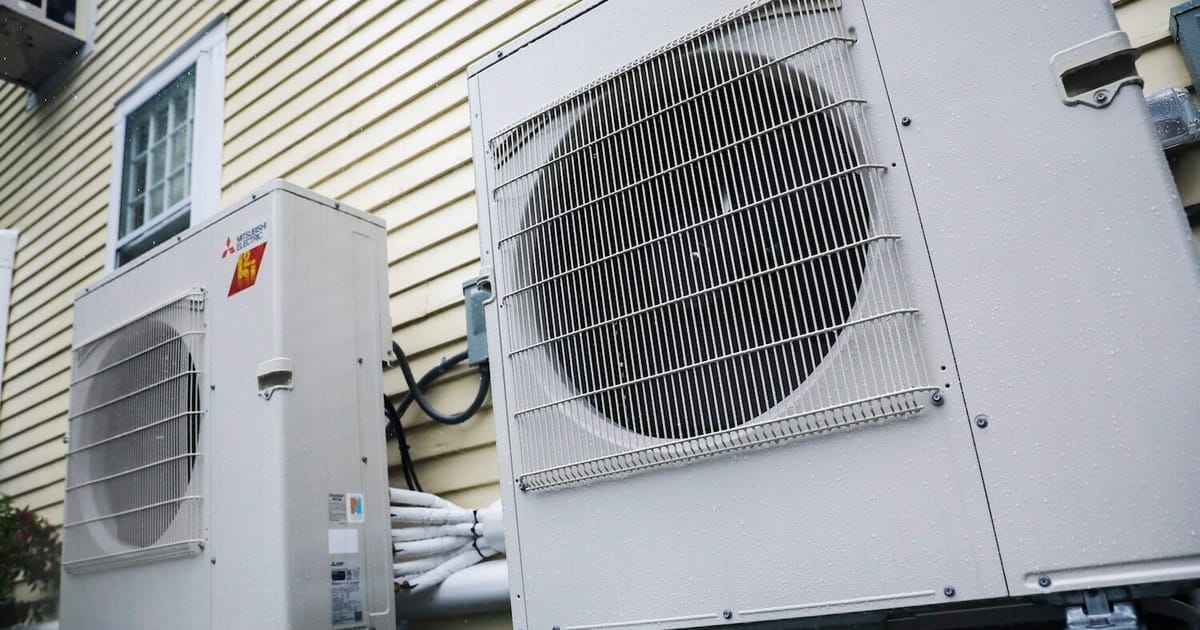
By transitioning these homes to heat pumps, which can deliver three times more heat energy per unit of electricity consumed than resistance heaters, the overall electricity demand can be drastically reduced.
This demand-side management strategy is projected to save as much electricity as 100 peaker plants could generate.
The Economic Case for Heat Pump Deployment
The cost savings associated with widespread heat pump adoption are substantial. The report estimates that building and maintaining new peaker plants to meet peak demand would cost six to nine times more than investing in demand-side solutions like heat pumps.
This highlights the economic inefficiency of relying solely on supply-side expansions.
“Those power plants are otherwise sitting unused the rest of the year,” noted Forest Bradley-Wright, a co-author of the report.
Improving home-heating efficiency, he explained, “avoids the need to build more power plants that we all have to pay for. That saves money for everyone.”
For homeowners, the benefits are equally compelling. Homes with outdated electric heaters and central air conditioning are prime candidates for heat pump upgrades.
When an existing air conditioner reaches the end of its life, replacing it with a whole-home heat pump incurs an average additional cost of about $560.
Financial Payback and Long-Term Savings
Despite the initial investment, the superior heat pump efficiency leads to significant annual electricity bill reductions, estimated at $250 per household.
This allows the heat pump system to pay for itself in approximately three years.
Over a 15-year lifespan, the cumulative savings for the entire region are projected to reach nearly $30 billion, against a total investment of roughly $4.8 billion.
This economic advantage makes heat pumps a financially sound investment for both individual consumers and the broader energy infrastructure.
The potential for substantial savings is a key driver for policy interventions aimed at accelerating adoption.
Policy Levers and Field Readiness
While the technical and economic case for heat pumps is strong, widespread adoption requires supportive policies.
The report emphasizes the need for financial incentives, such as rebates, to offset the upfront cost of these appliances.
These inducements are crucial, especially following the repeal of federal tax credits for home energy efficiency improvements.
Distributing these incentives not only directly to customers but also to contractors at the point of sale can streamline the adoption process.

This “upstream” approach ensures that homeowners have easy access to these efficient options, particularly during urgent replacement situations like a summer AC failure.
Furthermore, the report advocates for “inclusive utility investment” models. In these programs, utilities finance the upfront costs, with households repaying the investment over time through their monthly utility bills.
Several states, including Arkansas, Georgia, Kentucky, North Carolina, and Virginia, are already piloting or implementing such programs.
State utility commissions play a pivotal role by mandating that utilities prioritize investments in heat pump deployment and other demand-side management strategies before considering expensive new fossil fuel infrastructure.
This regulatory push ensures that the most cost-effective and sustainable solutions are favored.
The Verdict: A Strategic Investment in Grid Resilience
As regulators plan for future energy needs, the report serves as a clear directive: investing in energy efficiency programs, particularly widespread heat pump adoption, presents a viable and economically superior alternative to building more expensive gas plants.
This strategic shift promises not only a more reliable grid but also significant long-term savings for consumers.
The transition to heat pumps represents a fundamental step towards a more resilient and affordable energy future.
By leveraging existing infrastructure and proven technology, the U.S. South can significantly reduce its vulnerability to extreme weather and lower energy costs for millions.
This focus on efficiency aligns with broader trends in sustainable energy, much like the advancements seen in electric vehicles and home energy storage solutions, such as the Huawei Home Battery challenging established players.
Such innovations collectively contribute to a more robust and efficient energy ecosystem.
Source: Canary Media Clean Energy Tech