
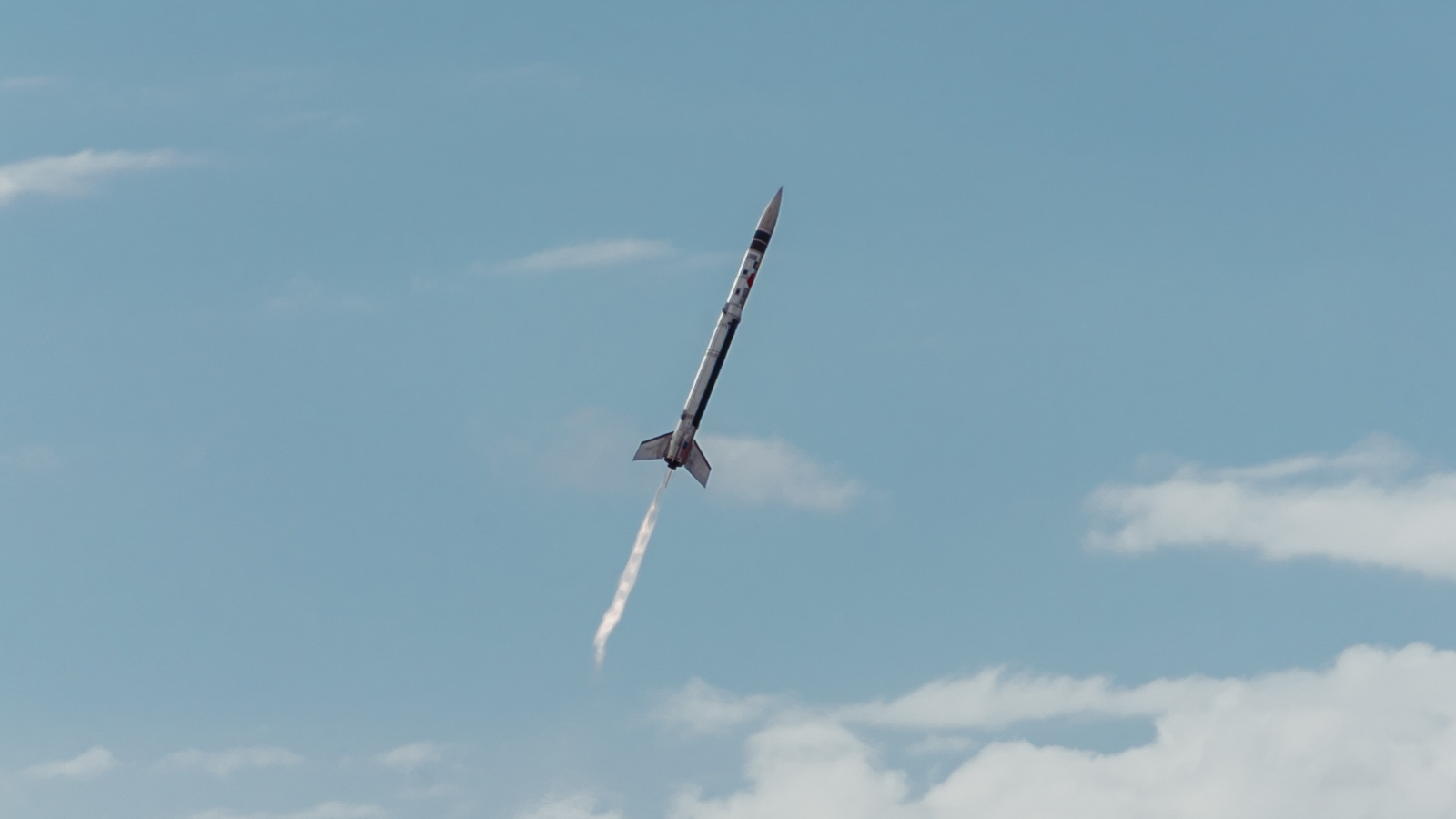
AFRL Exercises $10.9M Option on Ursa Major’s Draper Hypersonic Engine
The Air Force Research Laboratory (AFRL) has exercised a significant $10.9 million contract option with Ursa Major, a key player in advanced propulsion systems. This decision underscores the successful flight demonstrations of the Draper hypersonic engine, marking a critical step forward in the development of next-generation U.S. military capabilities. The Draper engine, designed for hypersonic applications, leverages Ursa Major’s expertise in additive manufacturing (AM) and flexible production methods to bolster domestic capacity for essential weapons and space hardware.
Table of Contents
Jason Meredith, President of Ursa Major, expressed enthusiasm for the continued partnership, stating, “Draper is at the heart of our hypersonics work, and AFRL and the United States Air Force have been partners from day one.” This award ensures the progression of vital research and development, moving the technology closer to operational deployment for warfighters.
Draper Engine Architecture and Additive Manufacturing Advantages
The Draper engine is a storable liquid rocket engine specifically engineered for the demanding environment of hypersonic flight. Ursa Major distinguishes itself by integrating additive manufacturing into its production process, enabling adaptable designs and agile manufacturing. This approach not only accelerates development cycles but also enhances the potential for rapid scaling of production to meet urgent defense needs.
This AM-centric strategy allows for complex geometries and integrated components that are often difficult or impossible to achieve with traditional manufacturing techniques. The flexibility inherent in AM also allows for quicker design iterations based on flight test data, a crucial factor in the fast-paced field of hypersonic technology. This mirrors advancements seen in other high-performance computing sectors, where optimized hardware, like that accelerated by libraries such as NVIDIA cuDSS 1.0, unlocks unprecedented engineering solver speeds.
Ursa Major’s Expanding Hypersonics Portfolio
Beyond the Draper engine, Ursa Major’s hypersonics lineup includes the Hadley liquid rocket engine, which serves as a critical component in the Department of War’s hypersonic test bed. Additionally, the company is developing the HAVOC Missile System, an all-up-round designed for both hypersonic and long-range precision strike missions.
Collectively, these programs represent a significant advancement in U.S. strategic capabilities. Ursa Major reports over a dozen successful flights across its various hypersonic systems, demonstrating a maturing technology base and a proven track record in rigorous flight testing environments. The company’s commitment extends to expanding U.S. manufacturing capacity for these vital defense assets.
Engineering Trade-offs and Flight Readiness
The development path for advanced propulsion systems like the Draper hypersonic engine involves careful consideration of engineering trade-offs. Storable liquid propellants, while offering advantages in terms of simplicity and readiness compared to cryogenic systems, present their own set of challenges regarding performance envelopes and thermal management at extreme speeds.
Ursa Major’s approach, combining AM with adaptable designs, aims to mitigate these challenges. The company’s extensive flight testing, including the successful demonstrator flights that preceded this contract option, provides invaluable data for refining engine performance and reliability. This iterative process is essential for ensuring that the Draper engine meets the stringent requirements for operational deployment.
Comparative Flight Testing and Industry Trends
Ursa Major’s Draper engine program is part of a broader trend within the defense industry where additive manufacturing is revolutionizing propulsion system development. Companies like Beehive Industries and Firehawk Aerospace are also making significant strides, utilizing AM for jet engines and hybrid rocket systems, respectively.

While Draper’s demonstrator flights were completed prior to the contract option, Beehive’s options cover future flights, and Firehawk has successfully completed initial flight tests. This varied progression highlights the dynamic nature of AM propulsion development across different branches of the military. The AFRL’s continued investment in Ursa Major’s Draper hypersonic engine signals strong confidence in its potential to deliver critical warfighting capabilities.
Field Readiness and Future Verdict
The exercise of the $10.9 million option by AFRL is a clear indicator of the Draper engine’s promising trajectory towards field readiness. The successful flight demonstrations have validated the core technology and the effectiveness of Ursa Major’s AM-driven development strategy.
As the U.S. continues to prioritize advancements in hypersonic technology, Ursa Major’s Draper engine is positioned to play a significant role. The company’s focus on adaptable design, flexible production, and robust flight testing provides a solid foundation for delivering advanced propulsion solutions that enhance national security and maintain technological superiority.
Source: 3D Printing Industry
