AI Pentesting Assistance: Unlocking Efficiency Without Compromising Security
The demand for penetration testing services is surging, driven by regulatory mandates like DORA and NIS2, alongside increasing customer security requirements. However, the supply of experienced penetration testers struggles to keep pace. This critical gap highlights the need for innovative solutions, and Artificial Intelligence (AI) is emerging as a powerful ally. This report details how AI pentesting assistance can significantly enhance team productivity, potentially boosting efficiency by up to 50%, by automating non-testing tasks while ensuring client data remains secure within the organization’s infrastructure.
Table of Contents
Optimizing Pentesting Workflows with AI
Traditional penetration testing engagements often allocate a substantial portion of hours to tasks that do not directly involve active testing. Analysis of recent engagements reveals that scoping, documentation, and review phases collectively consume over 30% of total engagement time. These unbillable hours represent a significant drain on resources and profit margins for pentesting firms.
Measuring Engagement Bottlenecks
To effectively leverage AI, it’s crucial to quantify where engagement hours are spent. A typical breakdown shows testing phases accounting for approximately 50% of the time, while documentation and review can sum up to 30%. The remaining hours are dedicated to initial scoping, setup, and final delivery or retesting.
Two key metrics emerge: the ratio of documentation and review time to active testing time, and the calendar days from the final testing day to report delivery. While the former highlights hidden costs, the latter directly impacts client perception and satisfaction.
Strategic AI Integration Points
AI, particularly large language models (LLMs), excels at tasks where human testers already possess the necessary information but require assistance in structuring and formalizing it. These include:
- Drafting detailed vulnerability descriptions based on tester notes, adhering to a company’s established vulnerability library for consistent tone and format.
- Normalizing and de-duplicating output from various scanning tools (e.g., Burp Suite, Nessus, Nuclei) into a unified set of draft findings.
- Performing consistency checks for missing remediation steps, accurate severity ratings based on CVSS vectors, and identifying duplicate issues described differently.
- Generating initial drafts of executive summaries, which can then be refined by senior analysts.
Crucially, human oversight remains essential for critical decision-making, including severity assessments and exploit validation. AI should augment, not replace, the expertise required for these high-stakes judgments. A confident AI-generated exploit chain that has not been verified by a human expert poses a significant risk.
In-House AI Architecture for Secure Pentesting
To address data privacy concerns, advanced AI pentesting assistance platforms like PentestPad offer solutions that keep sensitive client data within the organization’s control. The platform supports running AI models against self-hosted LLMs, ensuring that no proprietary vulnerability information is transmitted to external servers.
The PentestPad Workflow
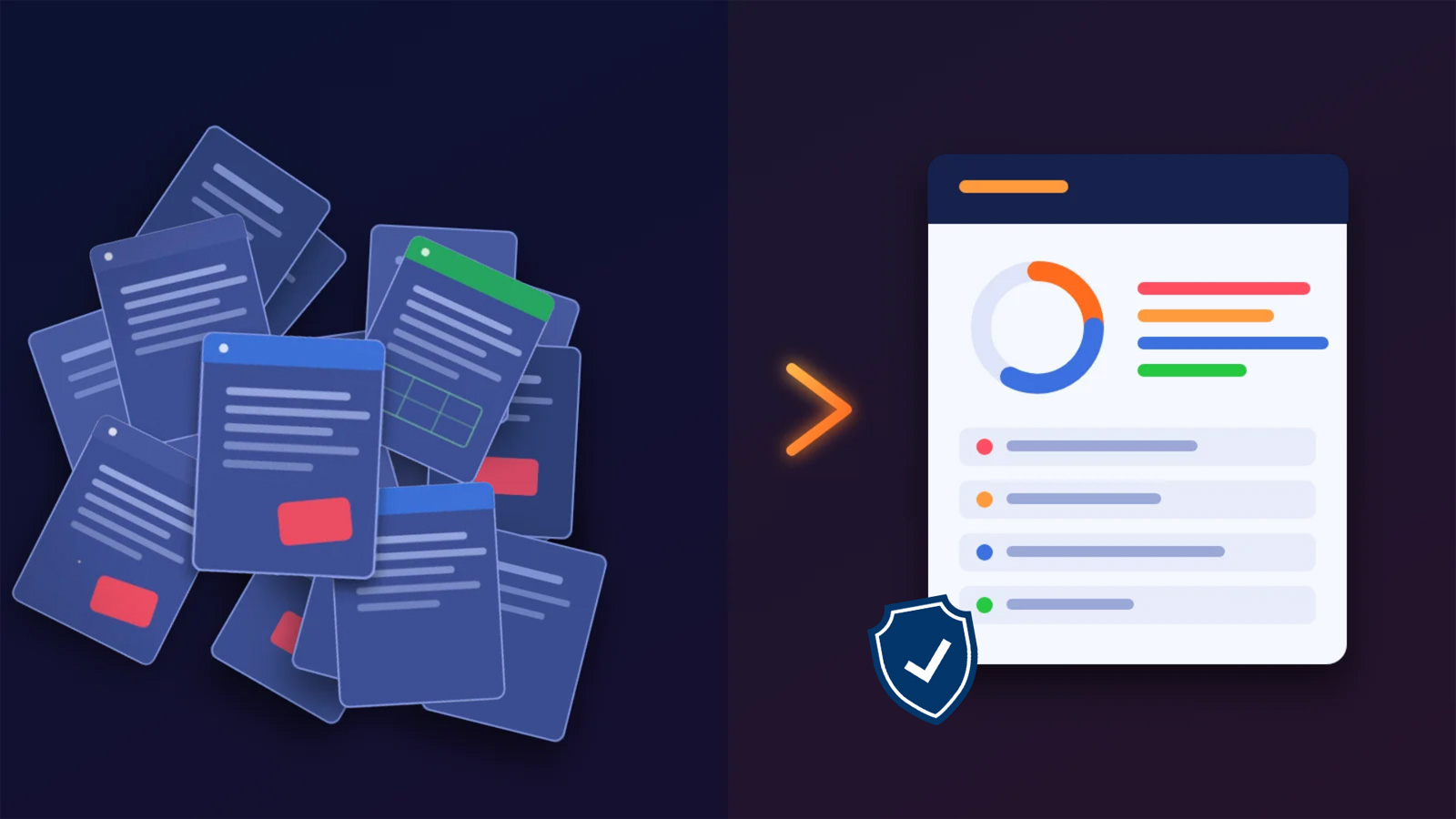
PentestPad facilitates a streamlined workflow from initial engagement setup to final report delivery. The process involves importing scanner outputs and tester notes to create draft findings. These drafts can then be enhanced by leveraging a reusable vulnerability library.
The AI writing assistant rewrites each draft in the organization’s specific house style, requiring only tester review and approval. Evidence is attached at the point of capture, and senior reviewers can comment directly on the report within the platform, eliminating lengthy email chains. The system supports exporting branded reports in DOCX or PDF formats and offers a white-label client portal for secure delivery.
For integration with development teams, PentestPad offers a two-way Jira sync. This ensures that findings translate directly into tickets, and when developers mark a vulnerability as resolved, the finding status updates accordingly, moving to a retest-ready state. Retest failures automatically reopen the ticket.
Agent Tooling and Interoperability
PentestPad is designed for both human testers and automated agents. It includes a Managed Control Plane (MCP) server and CLI agents for macOS, Linux, and Windows. This architecture allows AI agents to interact with the platform, create findings, or fetch project data while maintaining strict control over permissions, auditing, and data boundaries.
Key performance indicators to track include the reduction in documentation-plus-review hours as a percentage of testing hours, the decrease in days from the last testing day to report delivery, and the number of rework rounds per report. A successful implementation will see the first two metrics fall while the third remains stable or does not significantly rise.

Engineering Trade-offs and Limitations
While AI offers substantial benefits, certain limitations must be acknowledged. The effectiveness of AI in drafting findings is directly proportional to the quality and structure of the input data. Raw, unorganized notes or poorly formatted scanner outputs will yield less optimal results. The AI’s ability to accurately reflect an organization’s unique reporting style and technical depth relies heavily on the pre-configured vulnerability templates and house style guidelines.
Furthermore, the AI’s reasoning capabilities are confined to the data it is trained on and the context provided. It cannot independently discover novel vulnerabilities or devise complex, multi-stage exploits without human guidance and validation. The reliance on a self-hosted LLM means that the performance and capabilities are also dependent on the underlying hardware and model chosen, akin to how specialized hardware like NVIDIA cuDSS 1.0 can unlock significant speedups in complex solvers.
Field Readiness and Verdict
PentestPad’s approach, emphasizing in-house AI deployment and a comprehensive workflow, addresses the critical need for scalable and secure penetration testing. The platform’s ability to integrate with existing tools and processes, coupled with its focus on reducing non-testing overhead, makes it a compelling solution for pentesting firms aiming to increase throughput without expanding headcount.
The system’s design prioritizes data sovereignty, allowing organizations to leverage AI’s power without exposing sensitive client information. With features like custom branding, a client portal, and robust project management tools, PentestPad provides a holistic platform for modern penetration testing operations. The choice between managed EU cloud or fully self-hosted deployments, including air-gapped options, offers flexibility to meet diverse compliance and security requirements.
“Where a client’s findings are allowed to live is decided by the team holding them, and for many that means nowhere outside their own infrastructure. That is the requirement we built the AI around, so the model runs wherever a team needs it to, including entirely inside their own network,” states Luka Šikic, CEO of Secure Block. This commitment to in-house AI processing is a significant differentiator in a market increasingly concerned with data privacy and security.
In conclusion, AI pentesting assistance, when implemented thoughtfully with a focus on secure, in-house solutions like PentestPad, offers a viable path to increasing pentesting capacity. By automating documentation and streamlining workflows, teams can achieve greater efficiency, deliver reports faster, and ultimately provide more comprehensive security assessments without compromising the integrity of client data.
Sponsored and written by PenTestPad. Source: BleepingComputer Security