GucciCore Fashion Show: An Immersive Debut on Apple Vision Pro
Gucci’s recent “GucciCore” fashion show, presented through an immersive video experience on the Apple Vision Pro, aimed to bring the excitement of a live runway event directly to consumers. Captured live in Times Square, the experience offers a more intimate connection to the event than traditional video formats. However, despite the technological novelty, the overall execution falls short of the high luxury standards expected from the brand, presenting a mixed bag of innovation and missed opportunities.
Table of Contents
The ambition was clear: to place Gucci at the center of the metropolis, as stated by Artistic Director Demna. While the Apple Vision Pro experience successfully transports viewers to the heart of New York City, the luxury aspect of the presentation could have been significantly enhanced. The free access via the Gucci App on Apple Vision Pro makes it accessible, but the experience itself needs refinement to truly embody the Gucci ethos.
Building Desire: The Critical First Impression
A premium brand experience begins the moment a consumer is introduced to it. Every touchpoint, from ad creative and social media buzz to in-store displays and digital retail environments, should amplify value and build anticipation. Gucci’s marketing typically excels in this area, but the promotion for the GucciCore immersive video felt like an afterthought.
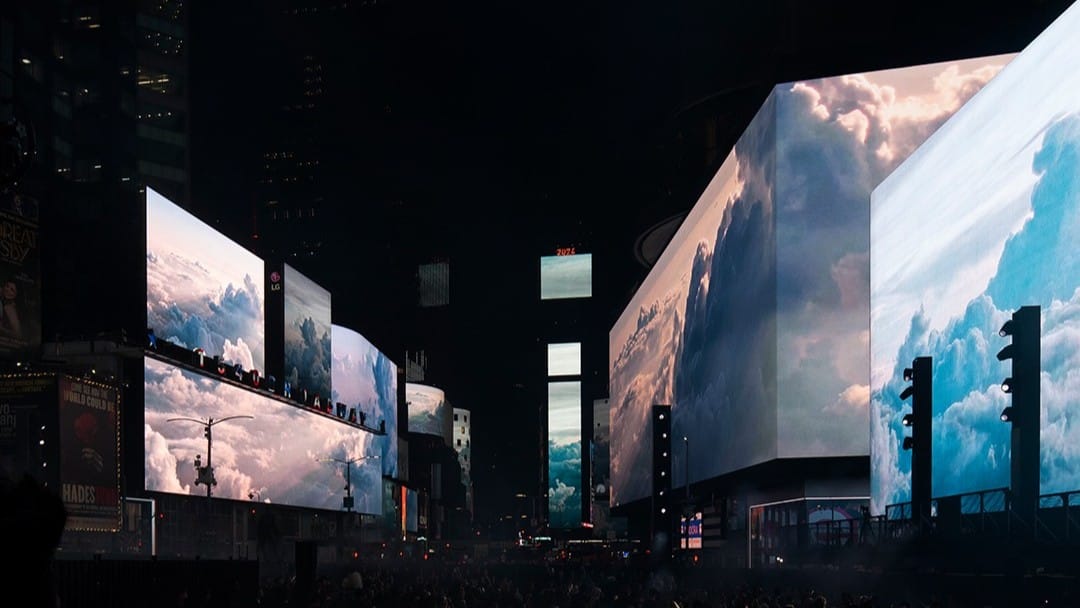
The launch was met with limited promotion and a single, uninspired image depicting only a Times Square billboard takeover. Crucially, there was no clear view of the runway, the fashion itself, or even a discernible crowd. This lack of compelling visual storytelling failed to communicate the unique value of the immersive experience. Even store staff in a nearby Gucci location were unaware of the initiative, highlighting a significant disconnect in internal communication and external promotion.
Creative Choices: Presence vs. Immersion
The experience begins with guests arriving on a black carpet, placing the viewer in the position of the media. The virtual attendees acknowledge the viewer with eye contact and waves, creating a strong initial sense of presence. This interactive element offers a compelling glimpse into the potential of spatial computing for fashion events.
However, the allocated time for this segment feels brief, limiting the opportunity for deeper engagement or people-watching. The main focus quickly shifts to the runway show itself, which features luxury fashion, other seated guests, and extensive digital screen takeovers in Times Square. The 180-degree frame provides a broad canvas, making the scene feel quite immersive with its many visual elements.
Engineering Trade-offs: Navigating the Immersive Space
The viewing experience involves shifts between different camera positions as the show progresses. While static camera viewpoints enhance presence by allowing free head movement to appreciate clothing details, the random and unannounced transitions between spots are jarring. These abrupt shifts, sometimes occurring mid-walk for a model, disrupt the narrative flow and disorient the viewer, detracting from the intended immersion.

A consistent music track plays throughout, but the absence of ambient show sounds, such as crowd noise, creates a disconnect. This lack of auditory immersion masks the transitions between viewing locations. A more effective approach might have involved a fixed viewpoint with enhanced environmental audio, allowing for a greater sense of being present within the bustling city and the fashion show itself, similar to how advanced AI can generate realistic soundscapes for virtual environments, a concept explored in areas like generative AI.
Leveraging Existing Assets and Future Potential
Notably, the closing credits acknowledge the use of footage from Apple TV’s “Elevated” immersive video series. Re-experiencing familiar cityscapes within this new context effectively built excitement leading into the fashion show. This strategic reuse of high-quality, costly footage was a smart move to enhance the premium feel of the GucciCore experience without prohibitive production costs, demonstrating efficient content utilization.
While the GucciCore fashion show on Apple Vision Pro offers an accessible and visually engaging experience, it highlights the challenges in translating the full essence of luxury into the metaverse. The potential for immersive storytelling is immense, but it requires a deeper focus on user presence and sensory detail. For brands looking to push the boundaries of digital experiences, advancements in areas like AI-driven content generation, as seen with tools like NVIDIA Cosmos Data Factory, could offer new avenues for creating truly captivating virtual environments. The GucciCore show is a step forward, but the journey to a truly luxurious immersive experience is ongoing.
Source: UploadVR Hardware & XR