Audi’s Innovative Approach to Automotive HMI: The Deployable Button System
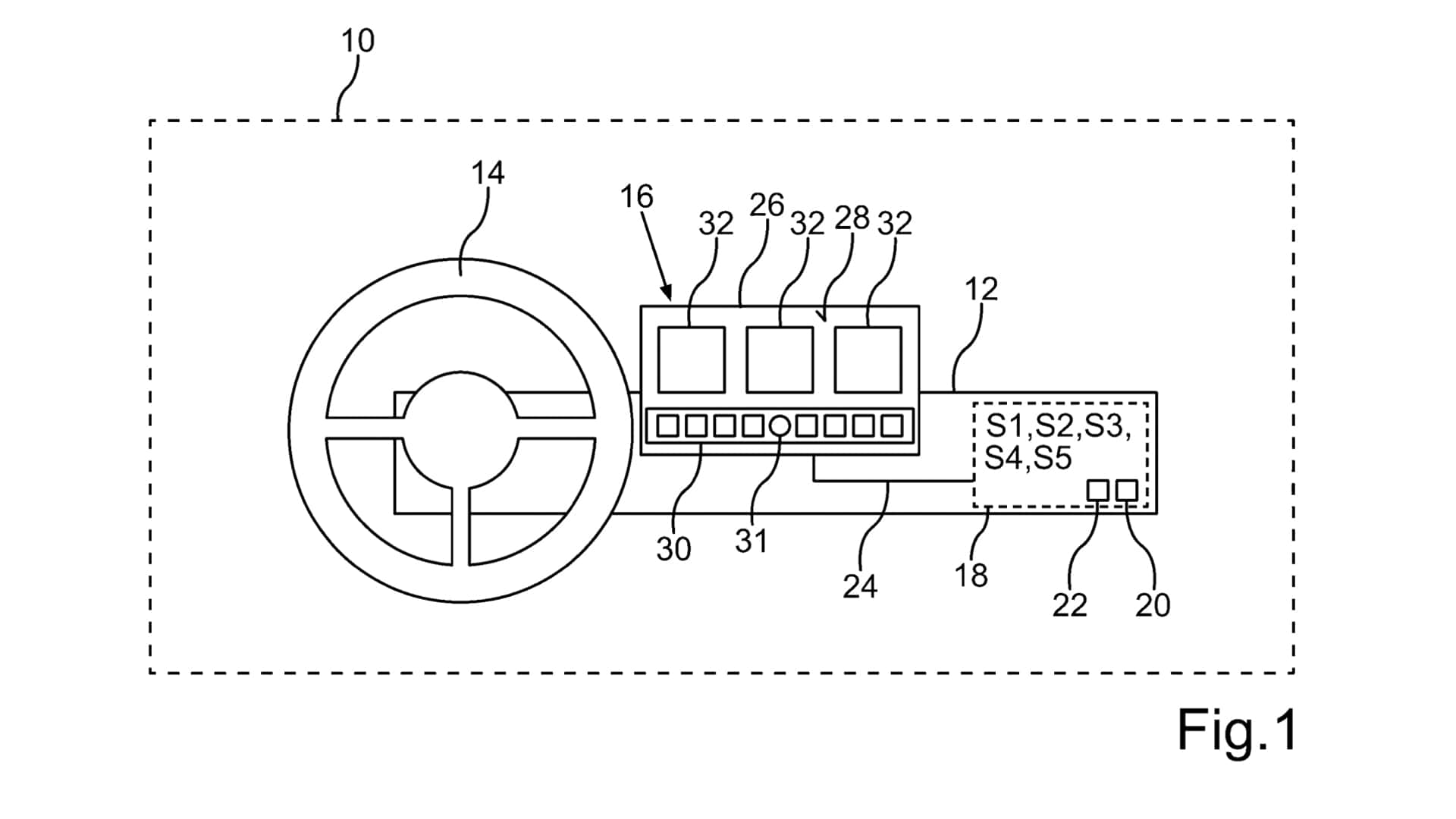
Audi is exploring a groundbreaking solution to the ongoing debate between physical buttons and touchscreens in vehicle interiors. The German automaker has patented a novel system that allows a strip of physical buttons to deploy from behind the main touchscreen display. This innovative approach aims to offer the best of both worlds, providing tactile feedback for critical functions while maintaining a clean, minimalist dashboard aesthetic.
Table of Contents
The concept, uncovered by CarMoses, features a compact button bar situated below the primary infotainment screen. This bar houses several physical controls, potentially including a rotary dial for volume and individual buttons for climate, heated seats, or drive modes. At the user’s command, whether via a dedicated button press or voice activation, this entire module can retract seamlessly behind the screen.
This move signifies a potential shift in automotive human-machine interface (HMI) design, acknowledging consumer preferences for physical controls. Many manufacturers, including Volkswagen and Mercedes-Benz, have recently indicated a reconsideration of their all-touchscreen strategies following user backlash. Audi’s patent, however, offers a unique compromise, preserving the digital interface’s sleekness without entirely sacrificing the benefits of tactile input.
Hardware Architecture: Integrating Tactile Controls with Digital Displays
The core of Audi’s innovation lies in its electromechanical integration. The deployable button bar would likely utilize a robust, yet compact, motorized mechanism to ensure smooth and reliable deployment and retraction. This system requires precise engineering to manage the physical space behind the touchscreen and maintain durability through countless cycles.
When the physical buttons are hidden, the touchscreen interface would dynamically display corresponding virtual icons at the bottom edge. This ensures that the functionality of the retracted physical controls remains accessible through the digital display, preventing any loss of user capability. The system’s design prioritizes user experience, allowing drivers to choose their preferred interaction method.
The potential inclusion of a central rotary knob suggests a focus on frequently used controls like audio volume. Flanking buttons could be assigned to essential functions such as climate control adjustments, seat heating, or even selecting different driving modes. This thoughtful placement aims to provide immediate access to critical features without requiring drivers to divert significant attention from the road.
Engineering Trade-offs and User Experience Considerations
Audi’s history with high-quality physical controls, particularly in the 1990s and 2000s, is well-regarded. The current trend towards piano-black touch-sensitive buttons has drawn criticism for lacking the satisfying tactile feedback and intuitive operation of traditional switches. The proposed Audi deployable buttons aim to recapture that user satisfaction.
However, implementing such a system involves significant engineering challenges. The complexity of the mechanism, potential points of failure, and the added weight and cost are considerable factors. Furthermore, ensuring the tactile buttons are ergonomically positioned and intuitively labeled is crucial for their effectiveness. The system must be robust enough to withstand the vibrations and temperature fluctuations inherent in an automotive environment.
The necessity for physical buttons is often debated, with modern vehicles offering hundreds of functions. Audi acknowledges that not every feature can have a dedicated physical control. The strategy here appears to be focusing on the most frequently used, safety-critical, or ergonomically advantageous controls for physical implementation, offering a hybrid approach that caters to diverse user preferences.

Field Readiness and Future Verdict on Audi’s HMI Innovation
The successful implementation of Audi’s deployable button system hinges on its reliability and user acceptance. While the patent outlines a compelling concept, the transition from design to production requires rigorous testing and validation. The automotive industry is increasingly leveraging advanced software and hardware, with innovations like those seen in the NXP i.MX 952 SoM unlocking 2 TOPS of AI, demonstrating the potential for sophisticated embedded systems.
This technology represents a strategic effort by Audi to address evolving consumer demands for intuitive and engaging in-car experiences. By offering a retractable physical control interface, Audi aims to satisfy both enthusiasts of traditional controls and proponents of minimalist, digital-first interiors. The success of this system will likely depend on its seamless integration and the perceived value it adds to the overall driving experience.
Ultimately, the Audi deployable buttons patent showcases a thoughtful engineering solution to a contemporary automotive design dilemma. It suggests a future where digital interfaces and physical controls can coexist harmoniously, enhancing both aesthetics and functionality. This approach could set a new benchmark for HMI design in the automotive sector.
Source: InsideEVs Engineering