
Defense Spending Bill Faces Uncertain Future Amid Reconciliation Doubts
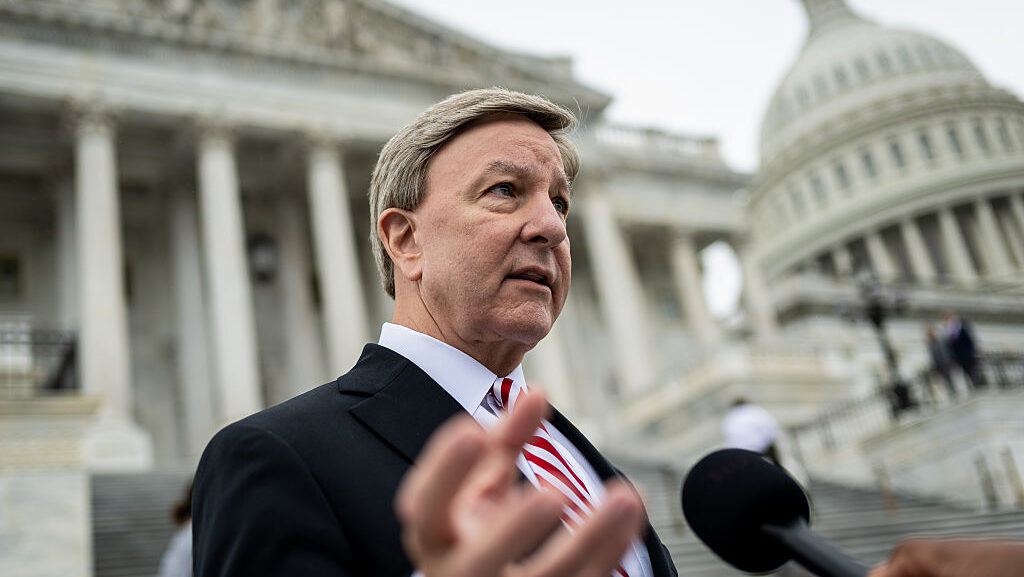
The prospect of a substantial $350 billion reconciliation bill to bolster the defense budget appears unlikely, according to outgoing House Armed Services Committee Chairman Rep. Mike Rogers. Speaking at a Hudson Institute event, Rogers indicated that while the full amount is improbable, a scaled-down version of the reconciliation bill might still be achievable. This development forces defense appropriators to re-evaluate how to incorporate key priorities into the base fiscal 2027 defense spending bill.
Table of Contents
Rogers, who is not seeking a waiver to continue his leadership role on the HASC, suggested that lawmakers are exploring alternatives to secure essential funding. The current legislative landscape is complicated by looming deadlines, including the expiration of the continuing resolution funding the Pentagon on December 11th and the upcoming Democratic majority in both chambers on January 3rd. This tight timeline necessitates swift action on the proposed $1.5 trillion FY27 Defense Department request, which includes $1.15 trillion for the base budget and the contentious $350 billion for reconciliation.
Reconciliation Bill: From $350 Billion to a Leaner Proposal
The initial $350 billion reconciliation ask was intended to cover significant expenditures, such as the Golden Dome initiative and multi-year munition procurements. With the full amount now deemed unfeasible, appropriators are actively developing alternative strategies to integrate these critical items into the base budget. This mirrors efforts seen in the Senate, which proposed a $1.1 trillion spending bill, and the House Appropriations Committee’s earlier $1 trillion proposal for fiscal 2027, neither of which has yet secured full chamber approval.
Rogers suggested that a more realistic reconciliation bill could potentially be reduced to around $100 billion. This leaner package might accommodate pressing needs, including addressing budget shortfalls attributed to geopolitical tensions with Venezuela and Iran, replenishing munitions stockpiles, and potentially incorporating issues related to the FAA and agriculture. The feasibility of such a reduced bill hinges on lawmakers’ willingness to compromise and prioritize effectively within the remaining weeks of GOP control.
Navigating Geopolitical Pressures and Acquisition Reform
The need for defense funding is underscored by ongoing geopolitical challenges, including the conflict in Iran, which prompted an $87.6 billion supplemental request, with $67.1 billion earmarked for defense. Deputy Defense Secretary Steven Feinberg has been briefing senators on the necessity of reconciliation, signaling a high-level push to secure these funds. However, the path forward remains complex, with the House and Senate Armed Services Committees still needing to pass the FY27 National Defense Authorization Act (NDAA).
Rogers expressed skepticism about the inclusion of a new Autonomous Warfare Command (AUTOWARCOM) in the NDAA, despite Defense Secretary Pete Hegseth’s proposals. While acknowledging the growing importance of autonomy in warfare, Rogers believes it is premature to establish a dedicated command, suggesting such a decision may occur in the future but not within the current legislative cycle. This stance highlights the ongoing debate surrounding the integration of advanced technologies and the pace of organizational change within the military.
“Right to Repair” Legislation and Contractual Solutions
Furthermore, Rogers poured cold water on the possibility of “right to repair” legislation being passed this year. This initiative aims to empower troops to repair their own equipment in the field, a concept met with resistance from industry groups concerned about intellectual property implications. Rogers pointed out that the Pentagon has not provided concrete examples of being unable to secure necessary services or repairs from companies through existing contractual agreements.

He argued that contractual mechanisms are sufficient for addressing repair needs and that the lack of specific instances suggests the issue may not be as critical as portrayed. Rogers concluded that a significant policy shift on this matter is unlikely in the near future, emphasizing the Pentagon’s ability to manage such requirements through established procurement processes. The debate over such legislation reflects broader tensions between military operational needs, industry interests, and legislative priorities in the evolving defense landscape.
Field Readiness and Verdict on Defense Spending
The immediate challenge for lawmakers is to reconcile differing spending proposals and pass essential appropriations before the end of the year. The fate of the reconciliation bill, even in a reduced form, remains uncertain, contingent on bipartisan agreement and the ability to navigate complex political dynamics. The focus on securing munitions stockpiles and addressing budget gaps highlights the critical nature of the defense spending bill for maintaining national security readiness.
Ultimately, the ability to secure adequate funding for defense priorities, whether through the base budget or a revised reconciliation package, will determine the Pentagon’s capacity to address current threats and invest in future capabilities. The ongoing deliberations underscore the intricate interplay between policy, budget, and geopolitical realities shaping the U.S. military’s operational and technological trajectory.
Source: Breaking Defense