ENOUGH Food Re-evaluates Mycoprotein Plant Amidst Persistent Production Hurdles
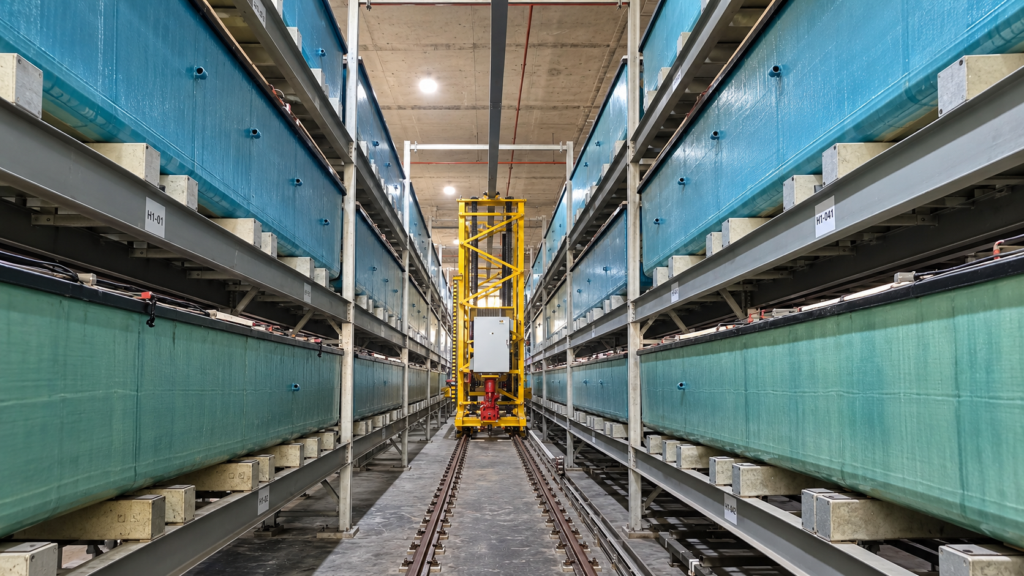
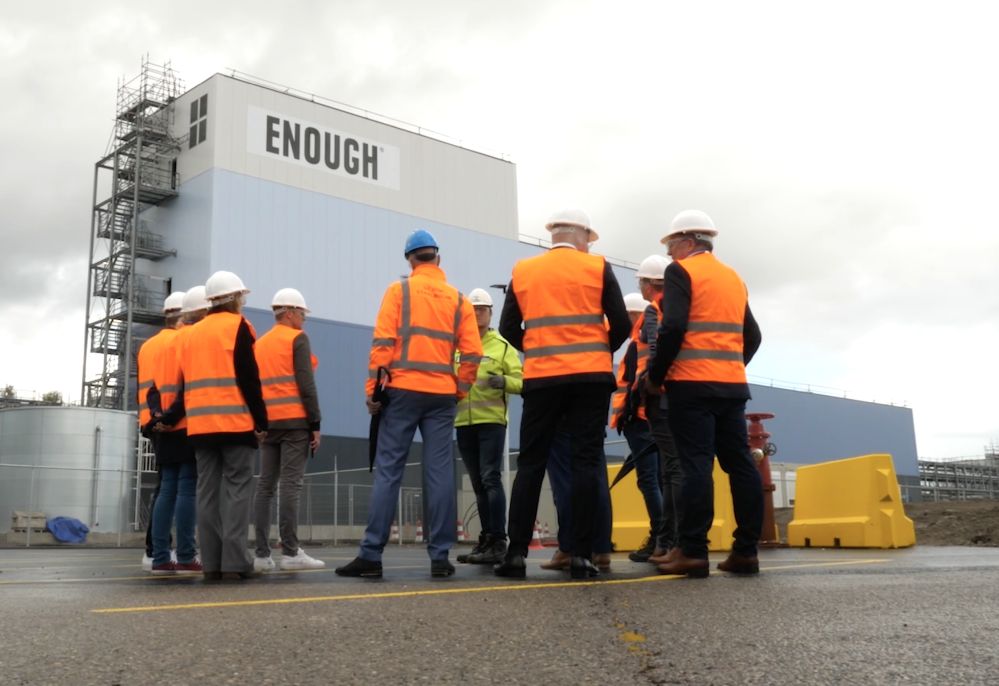
Mycoprotein producer ENOUGH Food is currently assessing strategic directions for its fermentation plant located in the Netherlands. The company is considering options such as a potential sale, strategic partnership, or alternative utilization of the facility’s assets. This re-evaluation comes after three years of significant operational problems that have hindered the plant’s performance.
Table of Contents
Cofounder Jim Laird expressed his continued conviction in the long-term necessity of sustainable protein solutions, emphasizing mycoprotein’s potential role. “We continue to explore options for the facility in Sas van Gent,” Laird stated, underscoring the ongoing search for viable pathways forward.
ENOUGH Food has maintained support from its existing shareholder base, with some providing additional financing to facilitate a restructuring. These arrangements aim to provide the necessary time to explore strategic alternatives without immediately compromising operations. Laird, who transitioned from CEO to a non-executive director role last year, clarified that these financing measures do not alter the company’s governance structure or grant specific control over the strategic review process.
Addressing Mycoprotein Production Challenges and Design Realities
Founded in 2015 as 3FBio in Scotland, ENOUGH’s ABUNDA mycoprotein is derived from the same fungal strain as Quorn. The company secured over $120 million in funding, including grants and equity, from investors such as World Fund, CPT Capital, and Cargill. Cargill also supplies feedstock for the Dutch plant and had entered commercial offtake agreements in early 2024.
Despite strong market demand, the company has grappled with significant operational challenges since its inception. Laird acknowledged that translating the initial technology and plant design into consistent, reliable, and economically viable industrial-scale production proved more difficult than anticipated. The primary obstacle was achieving the facility’s design capacity, largely due to difficulties in maintaining continuous operation for target durations.
The Sas van Gent facility, being a first-of-its-kind industrial installation, presented unique challenges in meeting the stringent sterility standards required for long-term, continuous operation. While progress was made in addressing these issues, inherent aspects of the as-built installation prevented the realization of the production performance, reliability, and efficiencies envisioned in the original design. After three years, it became evident that substantial additional time and investment would be necessary to unlock the facility’s full potential.
Engineering Trade-offs and the Pragmatic Board Decision
These operational realities were further compounded by a more challenging funding environment for growth-stage companies, especially those requiring significant capital infusions. The board ultimately made a pragmatic decision, evaluating the market opportunity, the facility’s technical and operational standing, and the substantial investment needed for future development. This assessment led to the current exploration of strategic options.
The company’s current directors include Arnoud Balhuizen, Nicholas Elmslie, Harry Kalms, Vinod Kanbi, Guy Semmens, and Jim Laird. Filings at Companies House indicate a charge in favor of shareholder MLC 50 LP Inc, related to security provided in connection with financing arrangements, which Laird described as a reflection of continued shareholder support.
The developments at ENOUGH Food occur within a broader context of intense competition and consolidation within the alternative protein sector. Several well-funded companies have encountered difficulties in scaling their technologies to commercial viability. For instance, Meati faced operational collapse, and Swedish mycoprotein maker Mycorena filed for bankruptcy before its assets were acquired.
Field Readiness and Future Outlook for Mycoprotein
Other companies like MycoTechnology have shifted focus away from alt-proteins, while Nature’s Fynd is pivoting towards higher-value applications in biopharma and materials. This challenging landscape underscores the complexities of bringing novel food technologies to market at scale. The pursuit of advanced computational tools, such as those accelerated by advancements like NVIDIA cuDSS 1.0 which offers significant speedups for engineering solvers, highlights the industry’s drive for efficiency and innovation across various technical domains.
Despite the current setbacks, Laird remains optimistic about the future of mycoprotein. The ongoing exploration of strategic options for the Sas van Gent facility signifies a commitment to finding a path forward, whether through a new partnership, a sale, or an alternative operational model. The company’s ability to navigate these mycoprotein production challenges will be critical in determining its long-term impact on the sustainable food landscape.
Source: AgFunderNews AgriFood Tech