The Humble E-Paper Price Tag Gets a Second Life
The ubiquitous e-paper price tag, a staple in modern retail for its low power consumption and dynamic pricing capabilities, is now finding an unexpected new role. Traditionally used to display product information and costs on store shelves, these Electronic Shelf Labels (ESLs) are being reimagined as digital picture frames. This transformation highlights the potential for repurposing even the most utilitarian electronic devices, turning them into something more engaging and personal.
Table of Contents
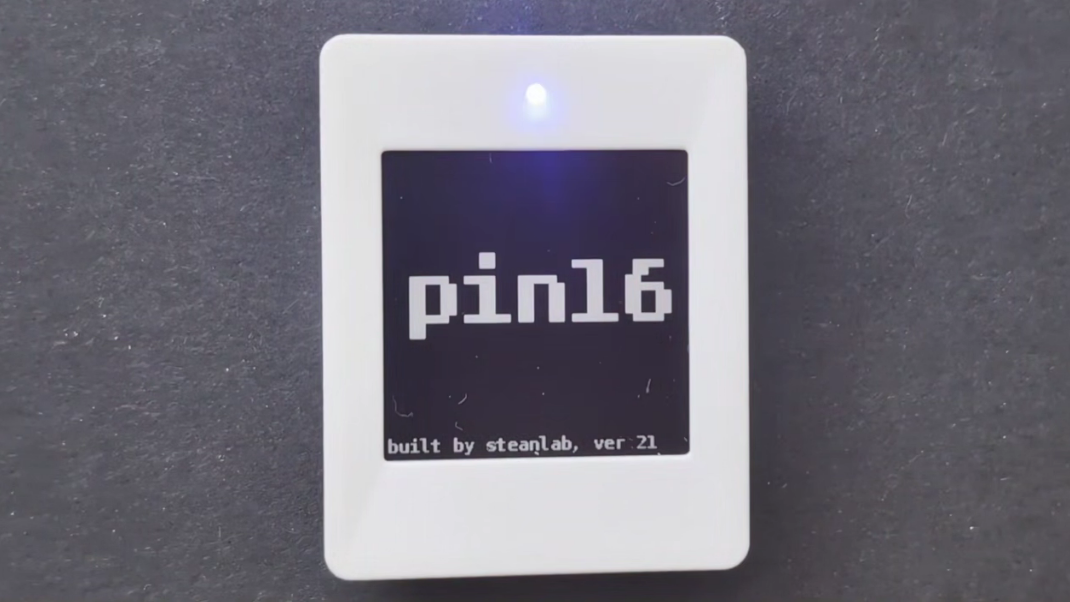
This innovative project, detailed by Hackaday Engineering, centers on the Solum EFR32BG22 e-paper price tags. The open firmware, dubbed `pin16`, specifically targets the El016 (200×200 pixels) and EL022 (160×296 pixels) models. These tags, capable of displaying black, white, red, and yellow hues, are now being utilized for more than just displaying prices, demonstrating a clever application of existing technology.
Unlocking New Functionality: Hardware and Software Architecture
The `pin16` firmware breathes new life into these e-paper displays by enabling image uploading via Bluetooth. This process is streamlined through a web browser, which converts user-provided images into a format compatible with the e-paper tags. Once converted, the images can be displayed as a slideshow, with customizable timers dictating the rotation speed.
While the initial firmware installation requires a wired connection using SWD (Serial Wire Debug), subsequent updates can be performed wirelessly over Bluetooth. This accessibility allows for easy modification and experimentation once the `pin16` firmware is in place. The underlying hardware, while basic, proves surprisingly capable of handling image display, proving that even simple devices can achieve complex visual outputs with the right software.
The ability to upload custom graphics extends beyond personal use. This capability could allow businesses to display custom branding or promotional material on the tags when not in use for pricing. This versatility showcases the adaptable nature of e-paper technology, moving beyond its primary retail function. For those interested in advanced display technologies, understanding the nuances of hardware like this can inform future projects, much like exploring the capabilities of new GPUs for complex visual rendering.
Engineering Trade-offs and Limitations
Despite the exciting possibilities, these repurposed e-paper price tags come with inherent limitations. The resolution and color depth, while adequate for price displays, are not comparable to dedicated digital photo frames. Users should not expect high-fidelity image reproduction; the charm lies in the novelty and the repurposing aspect rather than peak visual performance.
A significant caveat is the inability to back up the original factory firmware. This means that any modification using `pin16` is a one-way street. Users are strongly advised to only perform these modifications on e-paper tags they own outright, to avoid rendering the device unusable or bricking it permanently. This risk underscores the importance of careful planning and understanding the implications of firmware flashing.
Furthermore, the reliance on Bluetooth for updates, while convenient, means that the range and stability of the connection can be a factor. The conversion process within the browser also adds a layer of complexity, requiring users to ensure their images are formatted correctly for optimal display. These are typical trade-offs encountered in DIY electronics projects, balancing functionality with accessibility.
Field Readiness and Verdict
The `pin16` firmware represents a significant step in unlocking the potential of discarded or surplus e-paper price tags. It transforms them from single-purpose retail tools into versatile display devices, capable of showcasing images or custom graphics. This hack is a testament to the ingenuity of the maker community in finding new applications for existing technology.
While not a replacement for high-end digital displays, these e-paper tags offer a unique and cost-effective way to create personalized picture frames or custom signage. The project is particularly appealing for makerspaces, hobbyists, or anyone looking for a low-power, customizable display solution. The success of such projects often inspires further innovation in the IoT space, pushing the boundaries of what’s possible with embedded systems.
The ability to dynamically update displays wirelessly, even on a small scale, hints at broader applications for smart retail environments. As technology evolves, the lines between dedicated devices and repurposed hardware continue to blur, offering exciting opportunities for creativity and sustainability in electronics. This project is a clear indicator of the ongoing evolution in how we interact with and utilize everyday technology.
Source: Hackaday Engineering