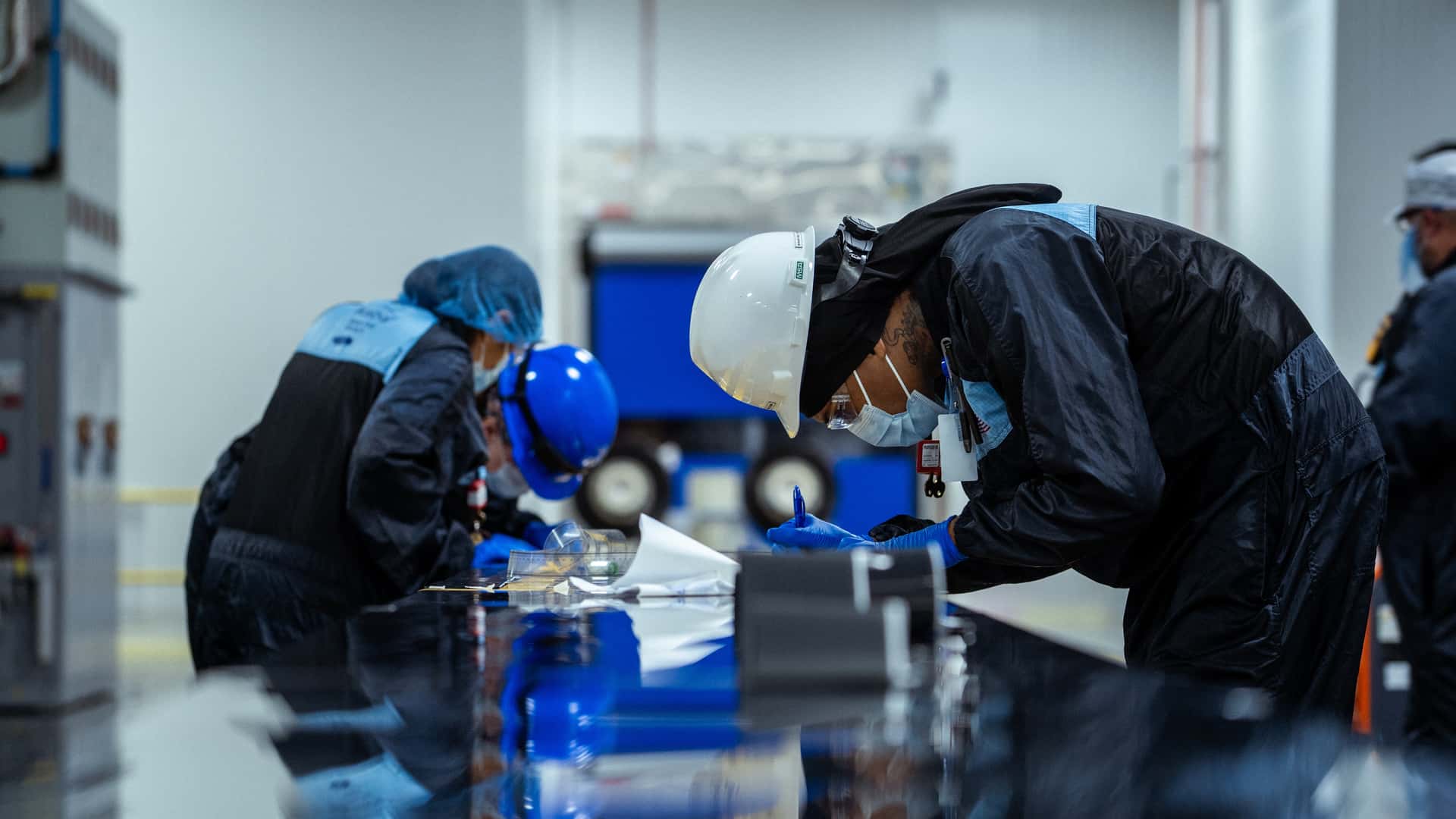
Ford’s Proactive EV Battery Abuse Team: A Deep Dive into Cell Durability
Ford’s new dedicated EV battery abuse team is meticulously examining how battery cells fail, a critical engineering effort to ensure the safety and longevity of their electric vehicles. This proactive approach involves understanding failure mechanisms at a fundamental physics level, aiming to prevent harm to occupants even in extreme scenarios. The team’s work is paramount as Ford ramps up production of its LFP battery packs, licensed from CATL, for upcoming models like the Fathom pickup.
Table of Contents
The focus on EV battery abuse is not merely about destructive testing; it’s integrated into the design process from the earliest stages. By understanding the precise physics of cell failure, Ford aims to engineer safeguards that mitigate risks, particularly concerning thermal events. This commitment to understanding EV battery abuse is a cornerstone of their strategy to build more reliable and profitable electric vehicles.
Hardware Architecture and Failure Analysis
At the core of Ford’s strategy is a deep understanding of how battery cells behave under stress. The EV battery abuse team measures critical processes like gas venting, which is essential for managing heat buildup within cells. When internal temperatures rise, the electrolyte can generate gases that, if not released controllably, could lead to short circuits or thermal runaway.
Ford utilizes advanced analytical tools, including sophisticated computer models, to predict and measure these phenomena before cells are even validated. This predictive engineering allows them to design cells that can safely manage these internal pressures. The insights gained from studying EV battery abuse are directly informing the physical design and material science of the battery packs.
Rigorous Testing and Quality Control
Beyond design, Ford implements thousands of quality checks throughout the battery production process. Advanced technologies such as CT scans, X-ray machines, lasers, and AI-powered camera inspections are employed to scrutinize materials and finished cells. For instance, the anode slurry coating is scanned millimeter by millimeter for any imperfections.
To validate the effectiveness of these quality systems, engineers intentionally introduce damaged components, dubbed “red rabbits,” into the production line. This ensures that the automated systems can detect and flag anomalies, preventing faulty cells from reaching the final assembly. This rigorous approach to EV battery abuse testing extends to the final pack, which undergoes simulated real-world conditions on hydraulic shakers, mimicking years of driving stress.
Engineering Trade-offs and Real-World Performance
While Ford’s focus on EV battery abuse is commendable, it’s important to note that robust testing is becoming standard practice among major battery manufacturers. The goal is to minimize scrap rates for expensive battery components and maximize product reliability. Ford’s own data shows impressive durability in high-mileage Mach-E models, with minimal range degradation after 100,000 to 200,000 miles.

However, the automotive industry, including Ford, has faced challenges with battery-related warranty costs and recalls. Issues with contactors overheating during DC fast charging in some Mach-Es and defective cells in a small number of F-150 Lightnings highlight the complexities of EV battery technology. Addressing these concerns is crucial as Ford prepares to launch the Fathom, aiming for a significant market impact.
Field Readiness and Future Outlook
Ford’s investment in a dedicated EV battery abuse team signifies a serious commitment to overcoming the inherent challenges of electric vehicle battery technology. By obsessing over how cells fail and integrating this knowledge into design and manufacturing, Ford is striving to set a new standard for durability and safety. The success of the Fathom and future EVs will ultimately depend on how well these batteries perform over years of real-world use.
This comprehensive approach to understanding and mitigating EV battery abuse is essential for building consumer confidence and driving the widespread adoption of electric vehicles. While it will take time to see the long-term results, Ford appears to be taking all necessary steps to ensure a smooth and reliable rollout of its next-generation EVs.
Source: InsideEVs Engineering