Sparta II Fire: A New Threat to the Russian Military Logistics Network
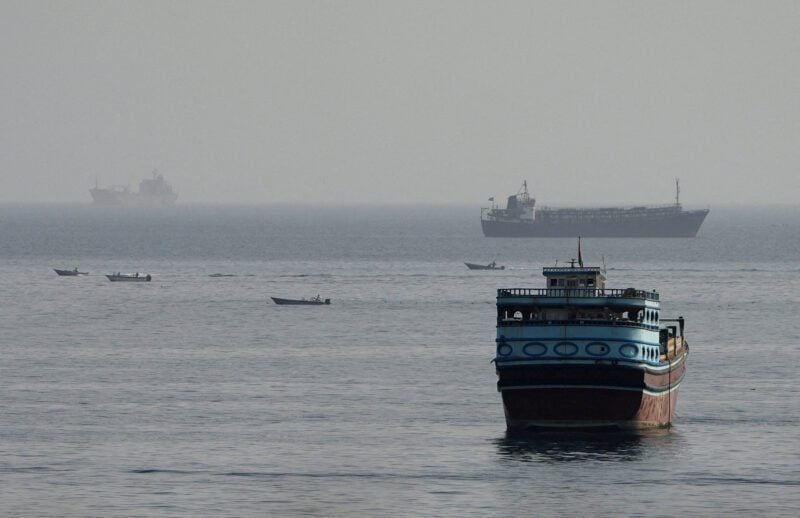
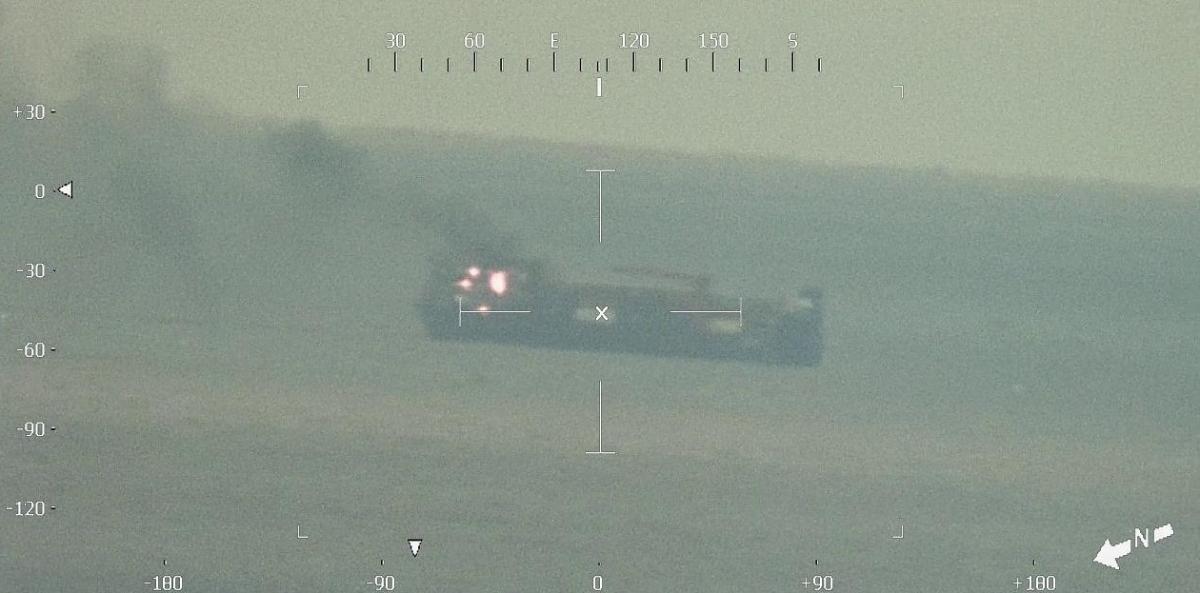
The recent drone strike and subsequent fire aboard the Russian-flagged cargo ship Sparta II in the Gulf of Finland has brought renewed attention to the vulnerabilities within Russia’s critical military logistics network. The incident, which occurred on Saturday, saw the sanctioned vessel engulfed in flames after being targeted in international waters, eventually drifting into Finnish territorial waters. This event underscores the escalating risks faced by maritime assets involved in geopolitical conflicts, highlighting the potential for cascading failures within established supply chains.
Table of Contents
Finland’s Ministry of Defence confirmed the attack took place approximately 50 kilometers west of Gogland Island. The damaged Sparta II lost maneuverability, necessitating a significant maritime rescue operation coordinated by the Finnish Border Guard. The situation was further complicated by a suspected Russian helicopter airspace violation near Loviisa, which Finnish authorities believe may have been connected to the rescue or surveillance efforts related to the burning vessel.
Vessel’s Military Ties and Sanctioned Status
The Sparta II, identified by its IMO number 9160994, is intrinsically linked to Oboronlogistika, a Russian state-affiliated company that plays a pivotal role in supporting the Russian Ministry of Defence’s logistical operations. This vessel has a documented history of transporting military equipment between Russian ports and various overseas locations, solidifying its position as a key component of the Russian military logistics network. Its operations have included crucial cargo services connecting mainland Russia with the Baltic exclave of Kaliningrad.
The United States sanctioned the Sparta II in 2022 due to its direct connections with Oboronlogistika. Reports have previously linked the ship to the movement of military hardware from Syria to Russia. Despite these established military ties, Finnish authorities stated they could not confirm the specific cargo on board at the time of the attack, leaving open the possibility of sensitive military materiel being present.
Escalation and Maritime Security Implications
In response to the incident, Finland implemented temporary restrictions on aviation and maritime activities in the eastern Gulf of Finland. These measures were designed to ensure civilian safety and provide authorities with the necessary space to manage potential drone threats. The Finnish Defence Forces acknowledged receiving intelligence regarding Ukrainian drone operations targeting Russia’s Leningrad region earlier that day, prompting precautionary measures against stray drones entering Finnish airspace.
While Finnish officials suggested a link to Ukrainian drone activity, no independent confirmation of responsibility from Kyiv was officially provided. The incident, however, has significant geopolitical ramifications, particularly for a NATO member state like Finland. It underscores the expanding reach of the conflict and the increasing risks to international shipping corridors beyond the Black Sea. The Gulf of Finland, a vital artery for Russian commerce and energy exports, has largely remained a stable commercial route despite the ongoing war, making this attack a notable escalation.
Field Readiness and Future Concerns
The fire aboard the Sparta II raised immediate concerns about potential explosions and the sinking of the vessel. Finnish rescue teams reached the ship south of Loviisa, establishing a safety zone and preparing for firefighting and potential environmental response. Fortunately, the 16 crew members were safely evacuated, and the vessel was anchored, preventing immediate uncontrolled drift. Russian rescue vessels were en route to assist in towing the ship back to Russian waters, though Finnish permission was required for foreign vessels to operate within their territorial waters.

This incident serves as a stark reminder of the interconnectedness of technological advancements and geopolitical conflict. While advancements in areas like AI security, as seen in Project Gatekeeper OpenAI, aim to bolster defenses, the reality of drone warfare and its impact on critical infrastructure, including the military logistics network, remains a pressing concern. The vulnerability of sanctioned vessels and the challenges of managing maritime emergencies in contested waters present complex operational and security dilemmas for coastal nations.
Source: gCaptain Maritime Tech