Hyundai’s Next-Generation Kona N Line Spotted: A Bold Redesign Unveiled
The automotive landscape is abuzz with the latest spy shots of Hyundai’s upcoming third-generation Kona, particularly the highly anticipated N Line variant. This isn’t merely a cosmetic facelift; the next-generation Kona is poised for a comprehensive overhaul, signaling a significant departure from its predecessor. Early prototypes have been observed across diverse testing grounds in the US, Europe, and South Korea, showcasing a noticeably distinct design language.
Table of Contents
These test mules present a more commanding, SUV-like stance, drawing parallels with Hyundai’s larger offerings like the Santa Fe, Palisade, and Tucson. This evolution suggests a strategic shift towards a more robust and imposing presence in the compact SUV segment. The initial sightings have differentiated between a standard Kona and a rugged XRT variant, with the N Line making its first public appearance captured by HealerTV in Korea.
Engineering the N Line: Sporty Aesthetics and Powertrain Diversity
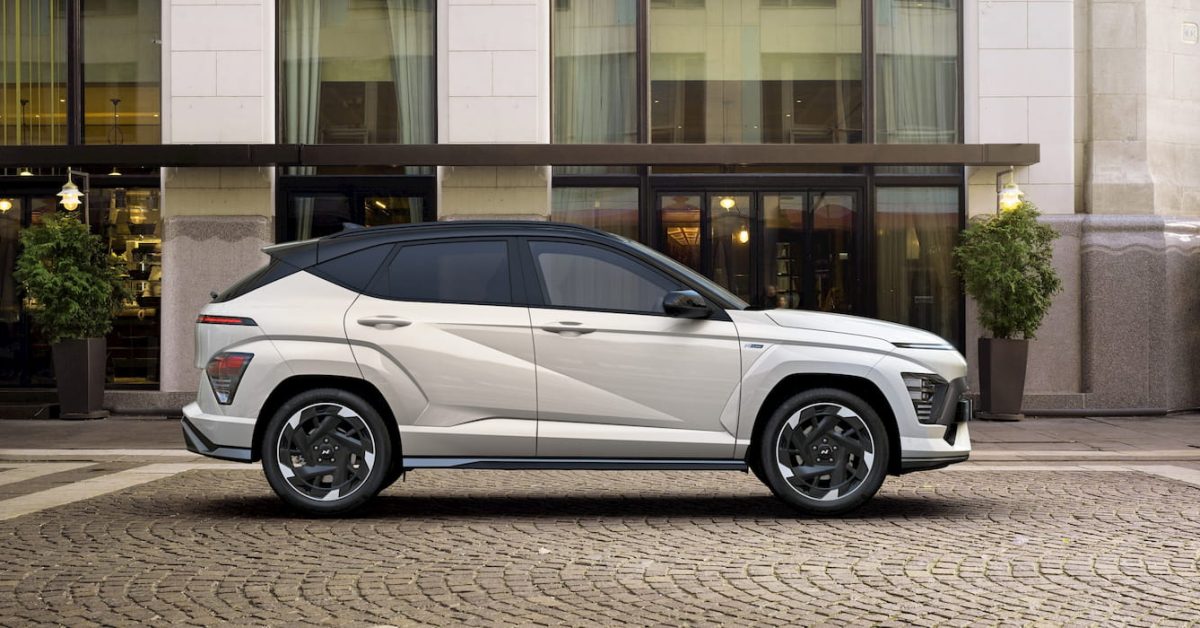
While still cloaked in camouflage, the visible cues on the next-generation Kona N Line prototype hint at exclusive design elements. These include distinctive alloy wheels and the addition of a lower side skirt, underscoring its sporty intentions. Furthermore, the N Line treatment is expected to manifest in a more aggressive front and rear design, featuring unique bumper configurations that amplify its performance-oriented character.
The confirmation of the N Line trim in the third-generation lineup is a significant indicator of Hyundai’s commitment to its performance-oriented sub-brand. This strategic inclusion ensures that enthusiasts seeking a blend of practicality and sporty dynamics will have a compelling option. The engineering focus appears to be on enhancing both visual appeal and driving dynamics, setting it apart from the standard models.
Powertrain Evolution and the Return of the Electric Kona
Hyundai’s strategic product planning for the next-generation Kona includes a diverse powertrain offering, mirroring the versatility of the current generation. Consumers can anticipate options ranging from efficient gasoline engines to a fuel-sipping hybrid variant. This multi-powertrain approach caters to a broad spectrum of consumer needs and preferences in the competitive compact SUV market.
Crucially, Hyundai has confirmed the return of the Kona Electric for the 2027 model year, following a brief hiatus in the US market. This signifies a renewed focus on electrification, with the third-generation model expected to arrive as a 2028 model year vehicle. This strategic move aligns with the broader industry trend towards electric mobility and reinforces Hyundai’s dedication to its EV portfolio. The engineering advancements in the electric variant are expected to offer improved range and performance, potentially leveraging innovations similar to those seen in advanced battery technologies.
Design Philosophy: Blending Robustness with Athleticism
The observed design language of the next-generation Kona prototypes suggests a deliberate effort to imbue the vehicle with a more substantial and athletic presence. The increased ride height and more commanding shape align with contemporary SUV design trends, aiming to offer a sense of security and capability. This approach aims to attract a wider audience, including those who value a more rugged aesthetic without compromising on urban maneuverability.
The N Line variant, in particular, serves as the vanguard of this athletic design philosophy. Its exclusive styling cues, from the aerodynamic enhancements to the sport-tuned suspension elements (though not yet visible), are engineered to convey performance. This meticulous attention to detail in design ensures that the N Line stands out as a distinct and desirable offering within the Kona range, much like how advancements in GPU technology are unlocking new visual fidelity in virtual environments, such as the Mars VR Experience on Quest 3.
Market Positioning and Future Outlook
The forthcoming next-generation Kona, especially in its N Line guise, is strategically positioned to compete fiercely in the increasingly popular compact SUV segment. By offering a compelling blend of distinctive styling, diverse powertrain options, and the promise of enhanced driving dynamics, Hyundai aims to capture a significant market share.

The return of the electric variant further solidifies Hyundai’s commitment to sustainable mobility solutions. As the automotive industry continues its rapid evolution, the next-generation Kona appears well-equipped to meet the demands of modern consumers. Its development reflects a broader trend in automotive engineering, where performance and efficiency are increasingly intertwined, much like the advancements in data processing that allow for faster insights, such as those achieved with GPU-Accelerated DuckDB.
Field Readiness and Anticipated Launch
The extensive testing observed across multiple continents indicates that Hyundai is rigorously validating the next-generation Kona under various conditions. This thorough testing regimen is crucial for ensuring reliability, performance, and adherence to global safety standards before its market introduction. The presence of early prototypes suggests that the development cycle is progressing as planned.
While the official debut is anticipated for 2027 as a 2028 model year vehicle, the continuous sightings of disguised prototypes fuel anticipation among automotive enthusiasts. The successful integration of its sporty N Line design and the strategic return of its electric powertrain position the next-generation Kona as a formidable contender in its class, poised to make a significant impact upon its release.
Source: Electrek EV & Battery Tech