Port of Los Angeles Achieves Unprecedented Container Logistics Milestone
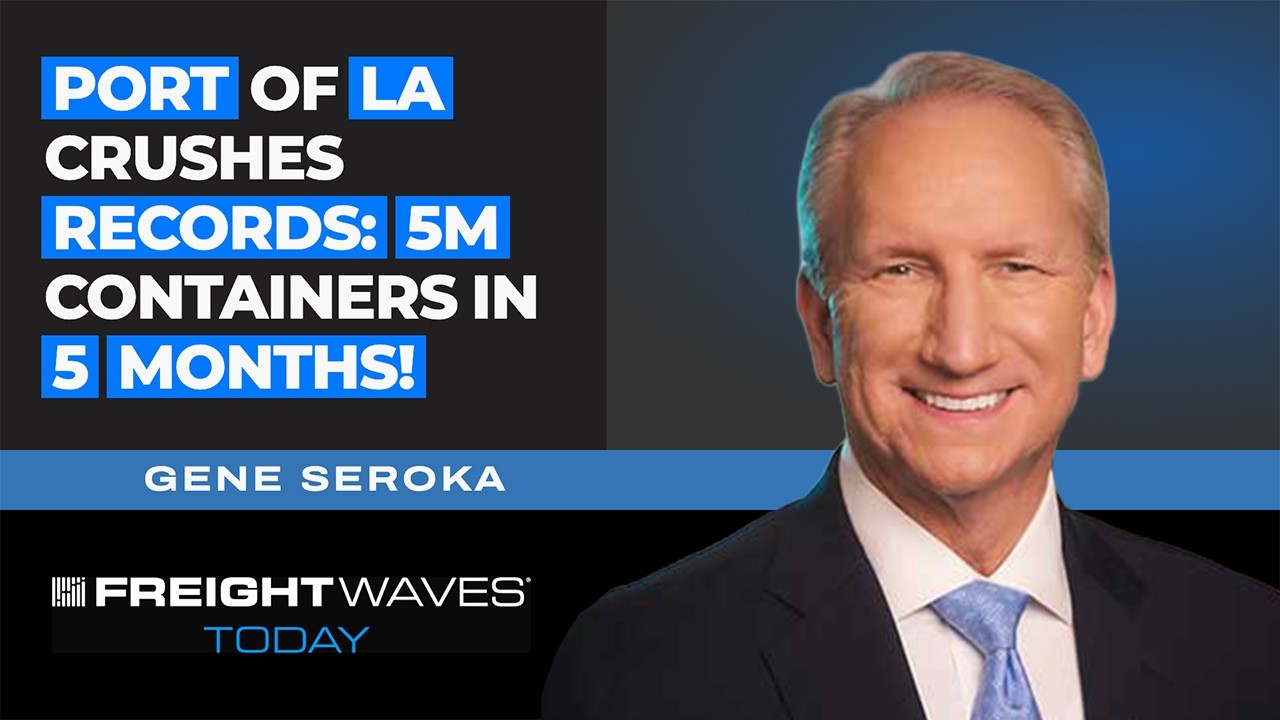
The Port of Los Angeles has shattered its historical performance records, achieving its most robust five-month stretch in its 118-year history by processing over 5 million container units. This remarkable feat underscores a significant surge in global trade activity and highlights the critical role of efficient container logistics in the modern economy. Executive Director Gene Seroka detailed the contributing factors, including a resilient consumer market and strategic adjustments in international trade policies, which have collectively propelled this record-breaking performance.
Table of Contents
October alone marked a monumental month, with the port handling over 1 million containers, positioning it as the second-busiest month on record. Seroka attributed this surge to a combination of factors, including the strong demand from American consumers for goods and a significant influx of imported parts and components essential for domestic manufacturing. However, he also cautioned that emerging constraints, such as rail congestion and imbalances in trade flows, pose near-term challenges to sustained growth.
Trade Policy Clarity Fuels Import Surge and China’s Market Share
A key driver behind the record import volumes has been the increased clarity surrounding trade policies, particularly the Supreme Court’s February decision on Section 112 tariffs. This ruling, which applied tariffs on a temporary 150-day basis, prompted importers to front-load inventory to avoid potential future costs. Following the reinstatement of Section 301 tariffs with greater stability, volumes continued to climb as shippers gained a clearer understanding of landed costs, a visibility that had been largely absent for approximately two years.
China has emerged as the primary beneficiary of this policy stabilization. Seroka noted a dramatic increase in Chinese cargo volumes since the Supreme Court ruling, widening the gap over other Asian export nations. He emphasized the structural advantages China possesses, including 40 years of refined supply chains, efficient 13-day transit times from Shanghai to Los Angeles, and the capacity for over 100 daily train departures from the LA Basin. These advantages make it difficult for other nations to compete effectively on a level playing field.
Rail Congestion and Export Imbalances Challenge Supply Chain Efficiency
Despite the record import volumes, the surge is placing considerable strain on the rail network. Approximately 9,500 containers are currently experiencing delays of nine days or longer within the BNSF and Phoenix Marine Terminal footprints. Seroka highlighted a structural issue: while the port has repeatedly surpassed the 500,000-TEU import monthly threshold, export and empty container repositioning have not kept pace. This imbalance leaves Western railroads struggling with insufficient engine power, crews, and rail cars, impacting overall supply chain fluidity.
The imbalance is further exacerbated by depressed U.S. agricultural exports. Commodities such as soybeans, wheat, hay, pistachios, and walnuts, which constitute the port’s largest single commodity group, have seen reduced demand since the initial China tariffs took effect in 2016. With American farmers exporting a significant portion of their harvest, the loss of Chinese demand has pushed buyers towards alternatives from Brazil and Australia, diminishing the crucial backhaul volumes that would otherwise help balance rail utilization and improve overall container logistics efficiency.
Addressing Trade Policy for Export Growth
Seroka called for more stable and predictable trade policies to support export growth and rebalance the Trans-Pacific supply chain. He pointed to specific cost distortions, such as the 50% tariffs on metals like steel, aluminum, and copper, which have allowed a few domestic producers to increase prices significantly. This, in turn, spreads increased costs to importers and consumers, ultimately impacting global trade dynamics.

He stressed the need for longer planning horizons and greater integration of industry expertise into policy advisory roles. The current environment, characterized by reactive measures to trade fluctuations, hinders strategic planning and long-term investment. A more stable policy framework is crucial for enhancing the competitiveness of American exports and ensuring a balanced, efficient global supply chain, benefiting both businesses and consumers.
Verdict: Record Throughput Signals Resilience Amidst Policy Uncertainty
The Port of Los Angeles’ record-breaking performance in container logistics demonstrates remarkable resilience and operational capacity. The surge in imports, driven by market clarity and consumer demand, highlights the port’s pivotal role in the global economy. However, the concurrent challenges of rail congestion and the persistent imbalance in export volumes underscore the critical need for stable, long-term trade policies.
While the port has proven its ability to handle massive cargo volumes, sustained success hinges on addressing the structural issues within the rail network and revitalizing agricultural exports. As trade policies continue to evolve, fostering an environment that supports balanced trade flows and predictable costs will be paramount for maintaining the port’s competitive edge and ensuring the health of the broader supply chain.
Source: FreightWaves Supply Chain Tech