Truckload Rates: A Disconnect Between Numbers and Carrier Sentiment
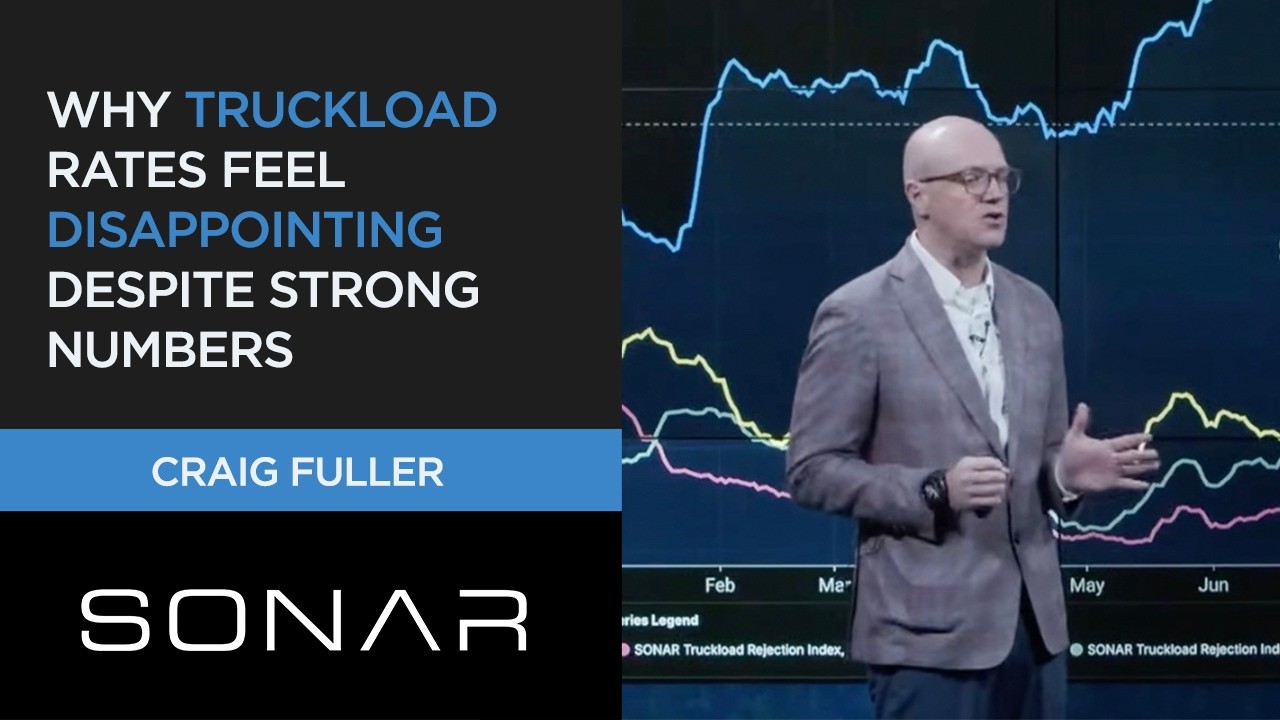
The current freight market presents a complex picture where strong underlying numbers are not translating into expected carrier satisfaction. Truckload spot rates have seen a noticeable pullback, settling at $2.58 per mile net of fuel after briefly surging past the $3 per mile mark earlier this year. This decline mirrors a softening in the Truckload Rejection Index, indicating a slight loosening of capacity against robust demand.
Table of Contents
The SONAR Truckload Rejection Index currently stands at 12.78%, a level comparable to peaks seen in December 2024. While historically this signifies a healthy market, the deceleration in momentum has tempered optimism among carriers. This situation highlights a psychological dynamic: after experiencing rates above $3 per mile, a retreat to $2.58 feels deflating, even though this figure would have been cause for celebration just a year prior.
Analyzing Capacity and Contract Rate Trends
The Truckload Rejection Index remains a critical barometer for capacity tightness in the market. A rising index favors carriers, while a declining one typically benefits shippers. However, the more consequential signal for the long-term health of the industry may lie in the upward trend of contract rates.
As peak season intensifies, shippers are actively engaged in building routing guides and preparing requests for proposals (RFPs) for the upcoming year. The narrowing spread between spot and contract rates suggests a growing willingness among shippers to commit to higher prices to secure essential capacity. This strategic move by shippers is a clear indicator of their commitment to ensuring reliable transportation, even at a premium.
The Impact of Diesel Prices and Energy Market Volatility
On the cost side, carriers have experienced some relief due to easing diesel prices. The national average has decreased from $6.50 per gallon to $6.02. This decline is partly attributed to a cooling crack spread, which impacts diesel refining profitability, and reduced geopolitical tensions around the Strait of Hormuz. The expansion of refining capacity has further contributed to this downward pressure on fuel costs.
Further easing of energy market volatility, coupled with the fading of tariff-related uncertainties previously flagged by industry experts, could pave the way for a more stable and potentially stronger freight environment heading into 2027. This convergence of factors suggests a path toward greater predictability in operational costs for carriers.

Navigating the Shifting Landscape for Shippers and Carriers
The current market dynamics necessitate a strategic approach for all stakeholders. For shippers, understanding the implications of rising contract rates and the narrowing spot-contract spread is crucial for effective RFP season preparation. Locking in capacity at current levels may prove to be a prudent decision to avoid potential future rate hikes.
Carriers, while perhaps feeling a sense of disappointment with the recent pullback in spot rates, are still operating in a market that offers significantly better compensation than a year ago. The sustained strength in contract rates and the ongoing demand for capacity provide a foundation for continued operational viability. This evolving landscape underscores the importance of adaptability and strategic planning in the truckload sector.
Source: FreightWaves Supply Chain Tech