LA-Long Beach Port Strike Risk Escalates Amidst Stalled ILWU Negotiations
The specter of a significant disruption at the Ports of Los Angeles and Long Beach is growing, with a potential strike by approximately 250 union watchmen slated to commence as early as this Saturday. The Pacific Maritime Association (PMA) has reported minimal progress in ongoing negotiations with the International Longshore and Warehouse Union (ILWU) Local 26, raising concerns about the immediate future of cargo movement through these critical gateways. This developing port strike risk could have far-reaching economic consequences.
Table of Contents
According to a statement released by the PMA, the latest round of talks concluded Tuesday with little to no concessions from the union regarding the employers’ proposals. The ILWU has already conducted a strike vote and has signaled an unwillingness to extend its current contract beyond its expiration at 12:01 a.m. Saturday. Both parties are scheduled to reconvene on Friday, leaving a critically narrow window to avert a work stoppage.
Security Personnel Dispute Threatens Major Cargo Hubs
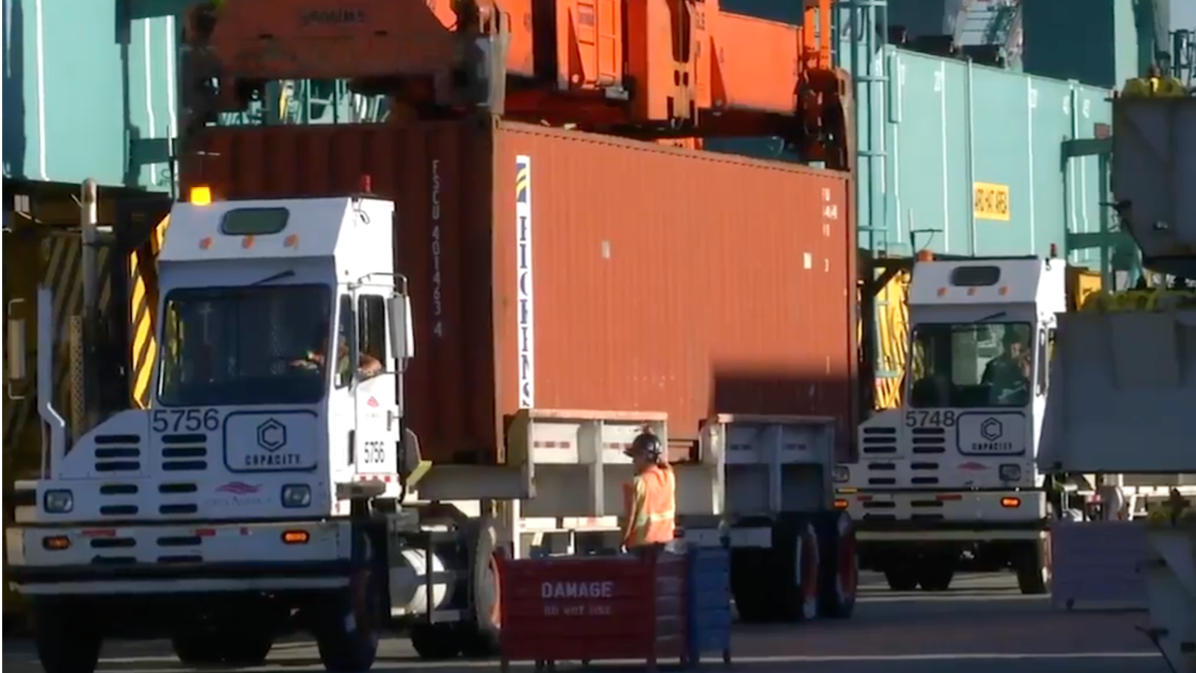
The primary concern is that ILWU dockworkers may choose to honor picket lines established by the watchmen, effectively halting cargo operations at key terminals. These unarmed watchmen are responsible for essential security duties, including verifying identification at terminal entrances, conducting patrols, and reporting any security or safety issues. While they represent a small fraction of the total ILWU workforce at the ports, the terminals they service are vital.
These specific terminals handle over half of the combined cargo volume for both the Port of Long Beach and the Port of Los Angeles. This includes a substantial 85% of Long Beach’s cargo and 33% of Los Angeles’ cargo, underscoring the disproportionate impact a work stoppage could have. The potential for widespread disruption is significant, even though the dispute directly involves a limited number of employees.
Economic Ramifications of a Port Strike
The potential consequences of this port strike risk extend far beyond the immediate vicinity of the ports. PMA anticipates that thousands of longshore workers, marine clerks, and foremen, who are not directly involved in this contract dispute, could refuse to cross picket lines. This solidarity action could lead to the complete interruption of cargo handling at terminals responsible for a substantial portion of the nation’s busiest port complex.
The ripple effects would cascade throughout the supply chain. Truck drivers could face idle time, rail shipments would be disrupted, and warehouse workers might see reduced hours. Exporters, including agricultural producers and manufacturers, could experience significant shipping delays. Retailers and small businesses preparing for upcoming holiday seasons might face delayed deliveries and increased operational costs, impacting consumer goods availability and prices.
Data from maritime analyst Martin Associates highlights the economic significance of these terminals. In 2025, the six terminals where Local 26 members work handled approximately 6.2 million containers. This volume directly supports 50,000 jobs and indirectly sustains nearly 4.2 million jobs nationwide.
The analysis further links this cargo throughput to an estimated $885 billion in national economic activity, $48 billion in federal taxes, and $190 billion in personal income. Martin Associates warns that any prolonged strike would exponentially increase these losses as vessels remain unloaded and containers cannot be cleared from terminal yards. This situation underscores the critical role of efficient port operations in maintaining national economic stability.
Negotiation Stalemate and Federal Mediation Efforts
PMA asserts that negotiations have been ongoing for over a year, with recent involvement from the Federal Mediation and Conciliation Service. The employers’ association claims to have secured several contract extensions to facilitate further discussions. However, PMA states that the union only participated in bargaining on three days during these extensions.

The association further contends that Local 26’s demands have remained largely unchanged since the negotiations commenced. While FreightWaves has reached out to the union for comment, no response was immediately available at the time of reporting. The lack of significant movement from either side, coupled with the approaching deadline, intensifies the port strike risk.
Supply Chain Resilience and Future Outlook
The potential impact of this dispute underscores the fragility of global supply chains and the critical need for robust contingency planning. Disruptions at major ports can have immediate and severe economic repercussions, affecting businesses and consumers alike. This situation is a stark reminder of the intricate dependencies within modern logistics networks.
As the deadline approaches, the focus remains on whether a resolution can be reached to prevent a strike that could paralyze a significant portion of U.S. maritime trade. The outcome will have lasting implications for supply chain stability and economic performance, highlighting the importance of constructive labor relations in critical infrastructure sectors.
Source: FreightWaves Supply Chain Tech