
Raspberry Pi Citizen Science: A New Era of Data Collection
Science thrives on curiosity and the widespread sharing of findings. This Maker Monday, we delve into the innovative ways environmentalists and researchers are leveraging the Raspberry Pi to gain a deeper understanding of our planet and beyond. The Raspberry Pi Citizen Science movement is democratizing data collection, making sophisticated research accessible to enthusiasts and professionals alike.
Table of Contents
From monitoring remote livestock and crops for sustainability to tracking celestial phenomena, the Raspberry Pi’s versatility is unlocking new frontiers in scientific discovery. Its ability to integrate with cameras and a vast array of sensors makes it an ideal tool for capturing critical environmental data.
Hardware and Software Architecture for Global Research
The core of Raspberry Pi Citizen Science lies in its adaptable hardware and open-source software ecosystem. Raspberry Pi cameras, including the AI Camera and High Quality Camera, enable detailed image and video capture, with AI capabilities for object identification. Beyond imaging, the platform seamlessly connects to sensors for temperature, humidity, light, audio, water quality, soil conditions, and even human presence detection.
Distributed computing projects, such as those utilizing the University of California, Berkeley’s BOINC software, allow Raspberry Pi devices to contribute passive computing power to global research initiatives. Projects like Science United and Rosetta@home harness this power for astronomy, AI, chemistry, and Earth sciences. NASA’s citizen science portal also offers numerous projects, like Lunar Melt, where users can tag lunar surface features from any internet-connected device. For more immersive observation, Raspberry Pi can power All Sky Cameras for tracking high-altitude clouds or even facilitate radio astronomy by connecting to software-defined radios (SDRs) to detect radio wave-emitting celestial objects.
Biologging and Environmental Monitoring Innovations
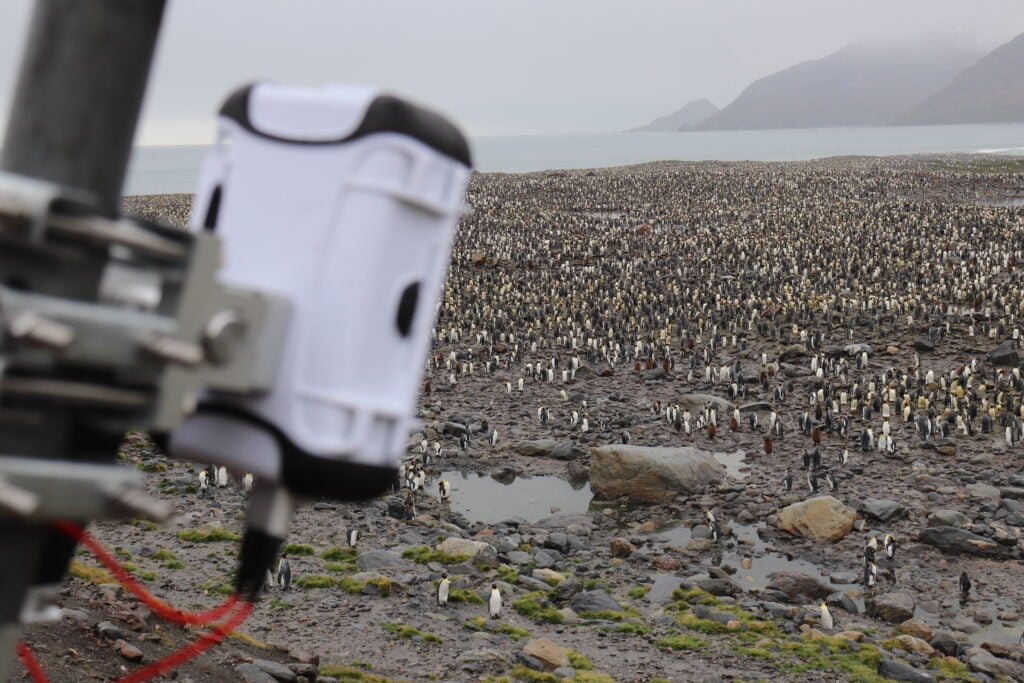
The field of biologging, or counting and logging species numbers, has been significantly advanced by Raspberry Pi Citizen Science. Zooniverse’s PenguinWatch project, for instance, utilized ruggedized cameras fitted with Raspberry Pi Zero computers to count penguins, providing crucial data that influenced the designation of protected marine areas. Current Zooniverse projects extend to identifying marmots and other mammals on the Mont Blanc massif, requiring more advanced image analysis.
Furthermore, projects like the Ornimetrics AI-powered smart bird feeder aim to identify specific bird species, enhancing ecological studies. The Pimoroni Enviro+ HAT, when paired with a Raspberry Pi, enables detailed monitoring of air quality, including particulates and pollutants, with data submission options to online communities. Teenagers have also developed indoor air quality monitors using sensors like the Fermion ENS160, measuring volatile organic compounds and CO2 levels to understand asthma triggers. These initiatives highlight the platform’s role in personal and community health research.
Seismic Monitoring and Future Potential
The Raspberry Shake network offers a remarkable avenue for citizen scientists to engage with seismic activity. This worldwide network of seismographs, powered by Raspberry Pi, tracks earthquakes, volcanic eruptions, tsunamis, and even large-scale animal movements. Data from these events, including location and magnitude, are logged on a publicly accessible map, allowing schools, scientists, and hobbyists to view and contribute. The system utilizes geophone, accelerometer, and infrasound sensors managed by a Raspberry Pi 3 or 4 computer.
The ongoing development and accessibility of Raspberry Pi hardware, coupled with a growing array of sensors and software tools, continue to expand the possibilities for Raspberry Pi Citizen Science. Projects like the CMU200 Custom Firmware demonstrate how enhanced software capabilities can unlock even more potential from these small, powerful computers, paving the way for more sophisticated and impactful citizen-led research in the future.
This article appeared in issue 169 of Raspberry Pi Official Magazine, which you can access online for free! You can also subscribe to the print version of our magazine. Not only do we deliver worldwide, but those who sign up to the six- or twelve-month print subscription will receive a FREE Raspberry Pi Pico 2 W!
You can find Raspberry Pi Official Magazine on Facebook, X, Threads, LinkedIn, and Mastodon. You can also contact the team via email: [email protected]
Source: Raspberry Pi News
