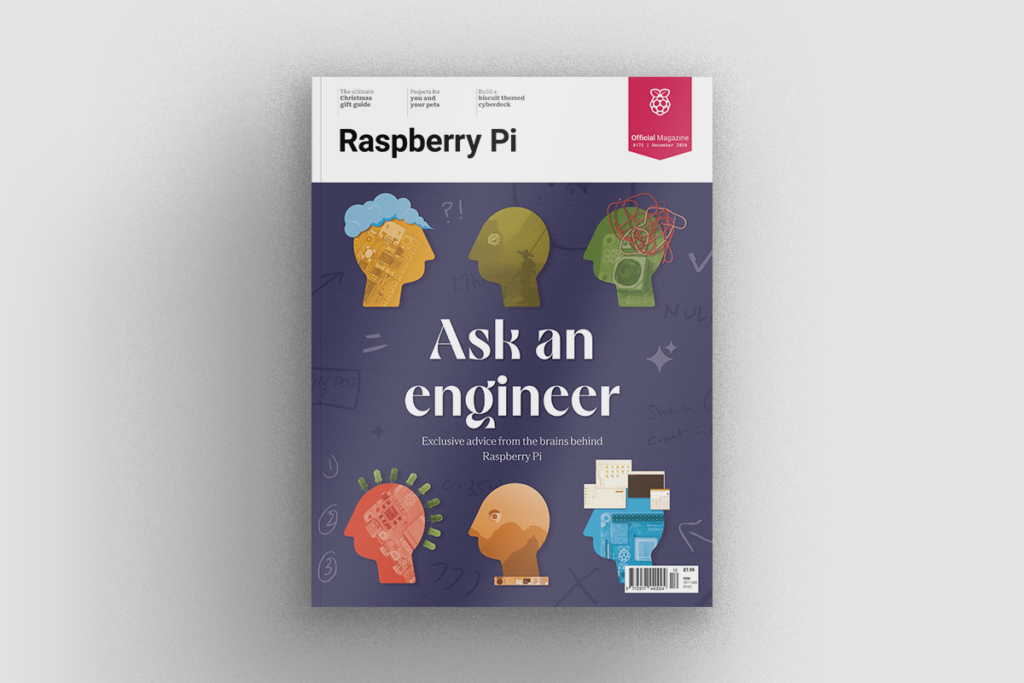
Raspberry Pi Hardware: Engineering Insights from the Core Team
The creation of seamless technology often goes unnoticed, a testament to the meticulous thought and obsessive dedication of the engineers behind it. Raspberry Pi hardware, designed by a team of individuals who are passionate about understanding how things work, exemplifies this principle. Unlike devices from larger corporations, Raspberry Pi boards are the product of human ingenuity, driven by a desire to make technology more accessible, efficient, and robust.
Table of Contents
This report delves into the exclusive advice and insights shared by seven key engineers at Raspberry Pi Towers, offering a rare glimpse into their design philosophy and practical approaches to hardware development. Their collective experience spans decades, shaping the evolution of accessible computing platforms.
The Iterative Hardware Design Process: From Concept to Production
Designing a piece of hardware is a complex, iterative journey. Simon Martin, a seasoned engineer, outlines the typical lifecycle. It begins with initial testing of a prototype, followed by refinement loops that address component selection, electronic schematic design, and PCB layout. These refinement stages, known as R1, R2, and R3, are critical.
R1 represents the first prototype, while R2 is the feature-complete version after initial issues are resolved. R3 is the pre-production iteration, usually a minor adjustment from R2, aimed at fixing any production-specific challenges. Ideally, the design process involves only a couple of these loops, often starting with schematic adjustments and concluding with minor PCB layout tweaks.
However, the path isn’t always linear. Unexpected challenges, such as failing compliance testing or the unavailability of a critical component, can necessitate major revisions, pushing boards through R4 or even R5 before mass production commences. This iterative nature underscores the complexity inherent in Raspberry Pi hardware development.
Foundational Advice for Aspiring Hardware Engineers
For those aspiring to enter the field of hardware engineering, the advice from Dominic Plunkett is clear: hands-on experience is paramount. “Play with electronics as much as possible,” he urges, emphasizing the value of personal projects for learning. A broad understanding of electronics, even without mastering every mathematical detail, is crucial.
Plunkett also advises studying existing designs, finding service manuals online to understand professional equipment construction. He stresses the importance of not limiting oneself to digital electronics, as all digital signals have an analog foundation. This holistic approach ensures a deeper comprehension of how electronic systems function.
The Thrill of First Boot: Engineering Satisfaction and Community Impact
The most rewarding moment for many engineers, as described by Dominic Plunkett, is the first successful power-up of a prototype. This critical juncture involves carefully monitoring current draw and probing circuits with oscilloscopes and meters to ensure all systems, from power regulators to internal clocks, are functioning correctly. It’s a moment where months of design and planning culminate in a tangible result.
This initial success is often followed by close collaboration with software engineers to bring the board to life. Seeing the hardware perform its intended functions, whether it’s a camera module or a small computing board, is immensely satisfying. Tom Dewey highlights another aspect of job satisfaction: witnessing the novel applications the Raspberry Pi community develops, such as using the devices for wildlife monitoring.
Simon Long finds joy in creating something that wouldn’t exist otherwise, tracking the incremental improvements he’s made to the Raspberry Pi Desktop over a decade. The ubiquity of the Desktop, seen in media and educational settings, serves as a constant reminder of his work’s impact. Similarly, Andrew Burge advocates for practical application as the best way to learn, suggesting projects like AI-powered bird monitors or smart home integrations.
Software Best Practices and Future Directions for Raspberry Pi
Andrew Burge also offers crucial tips for writing better software, emphasizing simplicity, conciseness, and well-defined functions. Good nomenclature, clear API definitions, and limited data scope are vital for maintainable code. While object-oriented programming can help enforce structure, the principles apply broadly.
The potential for Raspberry Pi hardware continues to expand. One user suggested exploring external GPU solutions to enhance performance, drawing parallels to platforms like Steam for game distribution. This vision aligns with the ongoing advancements in computing, where powerful solutions like the NVIDIA RTX Spark are enabling local generative AI workflows. The evolution of Raspberry Pi hardware is intrinsically linked to software innovation and community-driven projects.
The Raspberry Pi Official Magazine continues to be a vital resource for the community, offering in-depth articles and subscription benefits. The engineers’ dedication to refining Raspberry Pi hardware ensures its continued relevance and impact across diverse applications, from education to advanced research.
Source: Raspberry Pi News