
Suzuki Ignis EV: A New Contender in Europe’s Compact EV Segment
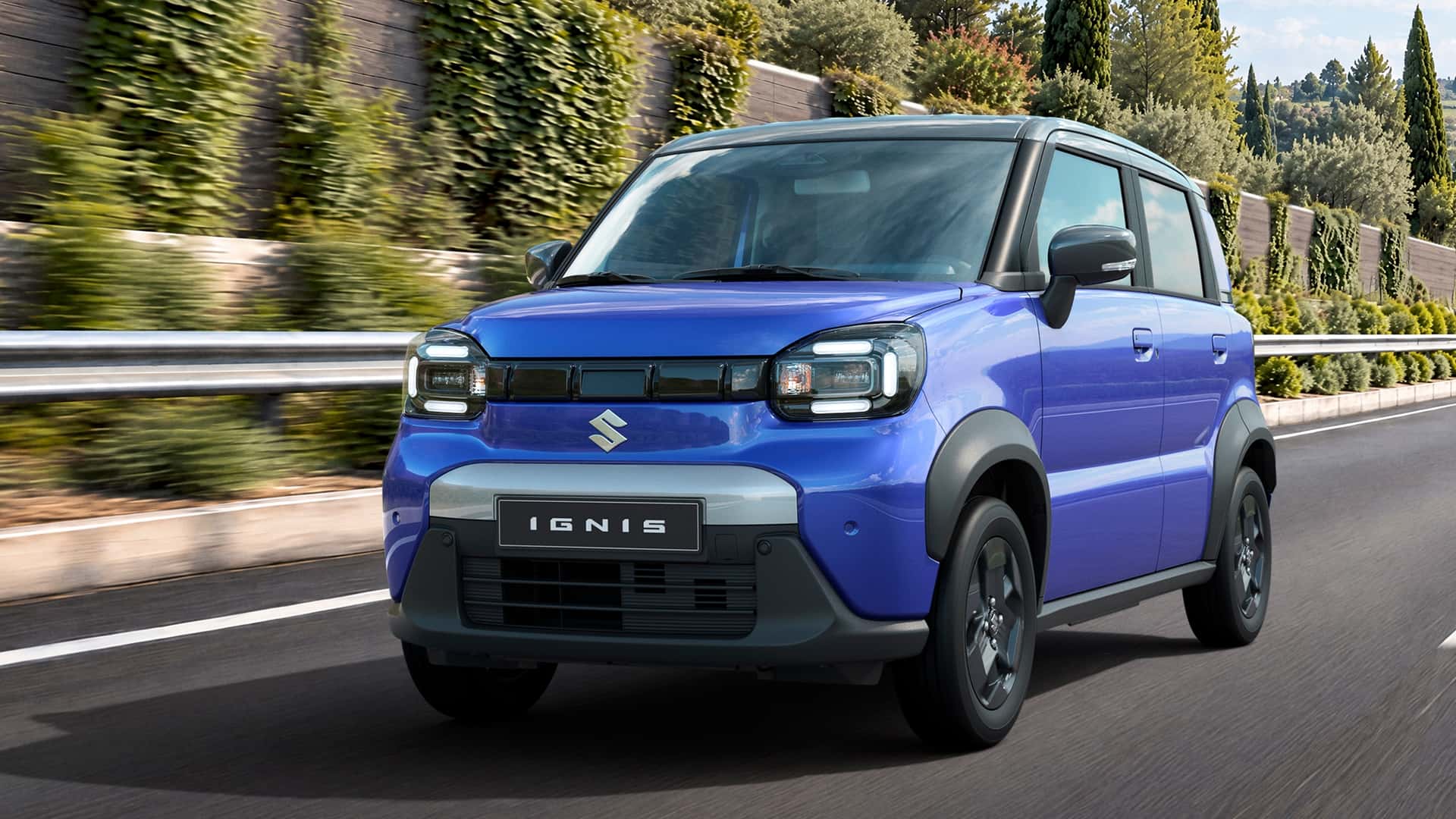
The Suzuki Ignis EV represents a significant new entry into the European electric vehicle market, aiming to capture the demand for small, efficient city cars. Measuring just 11 feet 9 inches long, this diminutive electric hatchback is poised to make larger vehicles appear cumbersome by comparison. Suzuki’s strategic decision to re-enter segments of the European market with an electric offering underscores a global shift in automotive manufacturing towards sustainable urban mobility solutions.
Table of Contents
This new model is built upon Suzuki’s dedicated Heartect-e electric platform, showcasing a commitment to developing specialized EV architecture. The Ignis EV’s design prioritizes practicality, featuring four doors and seating for four occupants within its remarkably small footprint. This approach directly addresses the needs of urban dwellers who require a vehicle that is both easy to maneuver and cost-effective to operate.
Powertrain and Architectural Innovations
At the heart of the Suzuki Ignis EV is a 26-kWh lithium iron phosphate (LFP) battery pack, chosen by Suzuki for its inherent safety and longevity benefits. This battery powers a compact front-mounted electric motor assembly, which integrates the motor, inverter, and reduction gears into a single unit. This innovative packaging delivers 90 horsepower and 98 pound-feet of torque to the front wheels, providing zippy performance suitable for city driving.
The engineering focus on a tight turning circle of just 29.5 feet is a testament to the vehicle’s urban design philosophy. Tiny overhangs and a wheel-at-each-corner stance not only enhance maneuverability but also maximize interior space. The exterior design incorporates modern LED lighting signatures and a floating roof effect, giving the Ignis EV a contemporary aesthetic that stands out in its segment.
Engineering Trade-offs for Urban Agility
Suzuki’s extensive experience in producing Japanese kei cars has informed the Ignis EV’s design, enabling the creation of a genuinely usable cabin despite the vehicle’s minimal exterior dimensions. The company has specifically tuned the suspension and power delivery for European city streets and winding roads, aiming to enhance driver engagement and ride comfort. However, the relatively small 26-kWh battery capacity suggests that long-distance travel may not be the primary use case for this vehicle.
The choice of an LFP battery, while beneficial for safety and lifespan, typically offers lower energy density compared to other lithium-ion chemistries. This could translate to a more limited driving range, a critical factor for consumers in the burgeoning EV market. Suzuki has yet to disclose official range figures or charging specifications, leaving potential buyers to weigh the known benefits against these unknowns.

Market Readiness and Competitive Landscape
The Suzuki Ignis EV is slated for a summer 2027 release in Europe, entering a rapidly evolving market segment. It will compete against established and emerging electric city cars such as the Dacia Spring and the BYD Dolphin Surf. The success of rivals like the Renault 5 and Twingo, and upcoming models from Volkswagen, Cupra, and Skoda, indicates a strong consumer appetite for affordable electric hatchbacks.
Pricing will be a crucial determinant of the Suzuki Ignis EV’s market success. With competitors like the Dacia Spring starting around €17,900, Suzuki will need to position the Ignis EV competitively to attract buyers. The vehicle’s ability to offer a compelling package of features, efficiency, and value will be key to its adoption, especially as European consumers become increasingly familiar with the nuances of electric vehicle ownership and technology.
Source: InsideEVs Engineering