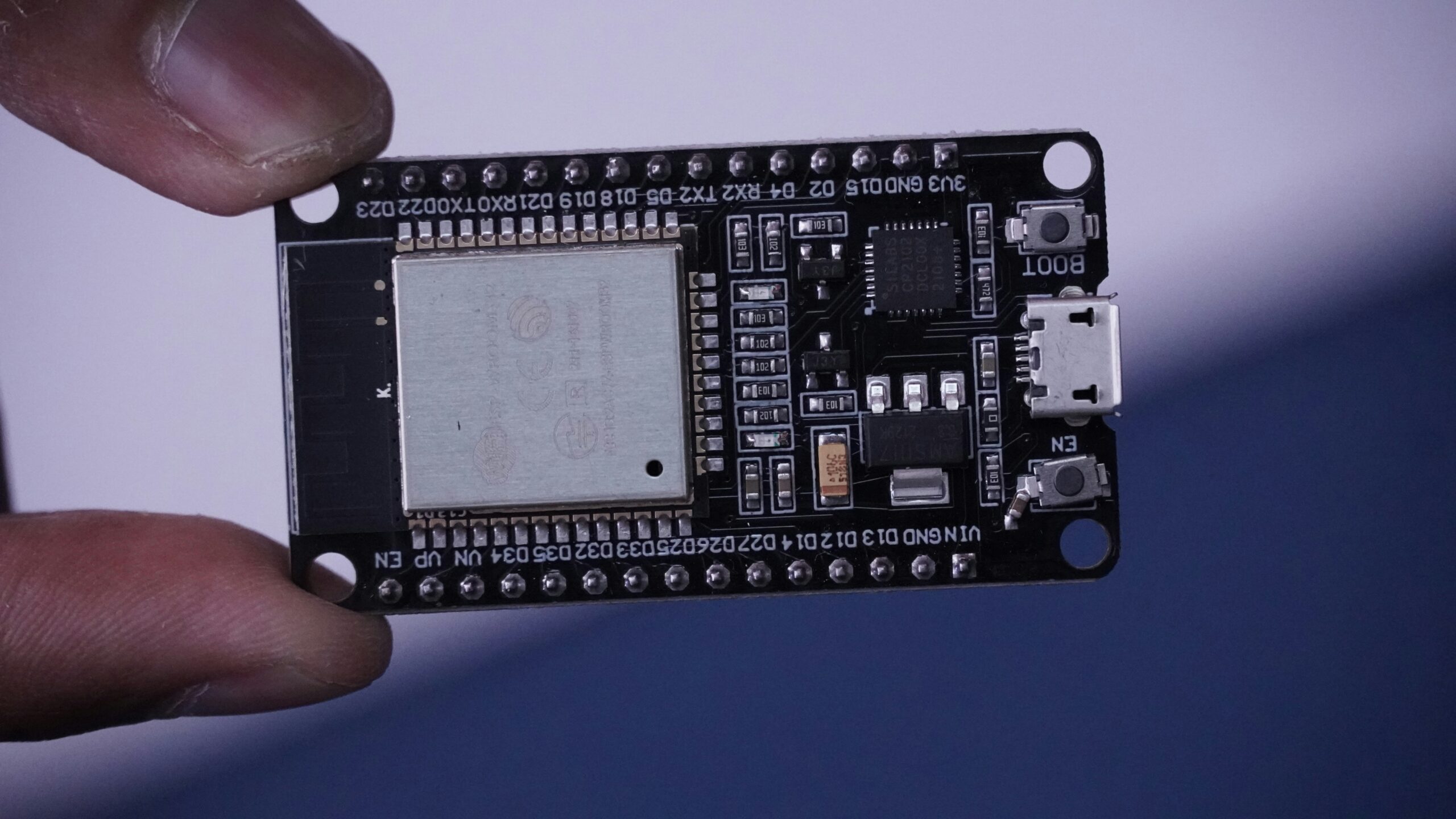
TinyWifiDongle Adapter: A 4-Line Breakthrough for USB WiFi Connectivity
In a surprising development for embedded systems enthusiasts and those facing unexpected hardware failures, a new project dubbed the TinyWifiDongle adapter has emerged, offering a rudimentary yet functional WiFi solution through a standard USB port. This innovative 4-line C++ code snippet, developed by Phil Schatzmann, provides a critical fallback for devices whose internal WiFi chips have malfunctioned, enabling basic internet access for essential tasks.
Table of Contents
The TinyWifiDongle adapter is not designed for high-bandwidth applications but serves as a vital tool for situations requiring minimal network connectivity. Its simplicity belies its utility, offering a quick way to get a device online when all other options are exhausted. This breakthrough highlights the flexibility of modern microcontrollers and the power of concise coding.
Hardware and Software Architecture: ESP32-S3 and Pi Pico W Integration
At its core, the TinyWifiDongle adapter leverages the capabilities of popular development boards, specifically the ESP32-S3 and the Raspberry Pi Pico W. The project’s minimal codebase, primarily consisting of four lines of C++ with essential library inclusions, allows it to function as a USB-to-WiFi bridge.
Performance metrics indicate that the TinyWifiDongle adapter can achieve speeds of up to 600 KB/s when utilized with an ESP32-S3. For the Pi Pico W, the throughput is lower, reaching approximately 250 KB/s. While these speeds are insufficient for streaming or heavy data transfer, they are perfectly adequate for tasks such as updating device drivers or performing firmware checks.
Engineering Trade-offs and Limitations of the TinyWifiDongle Adapter
The primary limitation of the TinyWifiDongle adapter is its significantly reduced data transfer rate compared to modern integrated WiFi solutions. The 600 KB/s and 250 KB/s speeds are a direct consequence of the project’s minimalist design and the underlying hardware’s capabilities when configured in this specific manner.
Furthermore, the project is intended as a temporary or emergency solution rather than a permanent replacement for onboard WiFi. Its utility is confined to basic browsing and essential updates, making it unsuitable for bandwidth-intensive operations. The codebase’s transparency features, however, offer potential for light IoT device monitoring, provided the low data rates are acceptable.

Field Readiness and Verdict: A Niche but Valuable Tool
The TinyWifiDongle adapter demonstrates remarkable ingenuity in creating a functional WiFi solution from just a few lines of code. Its readiness for field deployment is high for specific use cases, particularly in repair scenarios or for initial device setup where network access is otherwise unavailable. The ability to provide even minimal connectivity can be a lifesaver for technicians and hobbyists.
While not a high-performance solution, the TinyWifiDongle adapter successfully unlocks basic internet access via USB for compatible microcontrollers. For those requiring significantly faster speeds, exploring dedicated 10-gigabit adapters or more robust networking solutions would be necessary. However, for its intended purpose, the TinyWifiDongle adapter is a clever and effective tool, proving that sometimes, less code can indeed achieve more.
Source: Hackaday Engineering