Holiday Shipping Season Sees Critical Spike in Trucking Rejection Rates
The upcoming holiday shipping season is poised for significant disruption as trucking rejection rates are projected to climb sharply. FreightWaves SONAR data reveals early indicators of a tightening market, with rates expected to push past 14% ahead of Thanksgiving. This surge is driven by a confluence of factors including low inventory levels, increased last-minute shipping demands, and the potential for port strikes, all of which are contributing to extreme capacity constraints in key regions.
Table of Contents
Zach Strickland of SONAR forecasts a climb toward 14% in the week following Thanksgiving, a notable increase from the near 13% observed leading up to the holiday. These rejection rates are critical metrics for carriers, brokers, and shippers, as they directly signal the pricing power carriers possess and the difficulty in securing freight at contracted rates. The current market dynamics suggest a challenging period for securing reliable transportation.
Understanding the Drivers Behind Capacity Tightening
Despite underwhelming demand signals as measured by the tender volume index heading into the holiday, capacity is tightening significantly. This phenomenon is characteristic of peak season, where driver availability decreases as many seek to spend holidays with family. This scarcity necessitates a premium for carriers to operate, driving up spot rates.
Strickland explains that the tender volume index typically doesn’t surge until a few days before Thanksgiving, with many tenders being pushed to post-holiday delivery. This year, however, compounding factors are expected to elevate rejection and spot rates beyond seasonal norms. Critically, inventory levels are not as robust as typically seen entering the holiday period, increasing the likelihood of urgent, last-minute shipping needs.
The Impact of Port Congestion and Market Dynamics
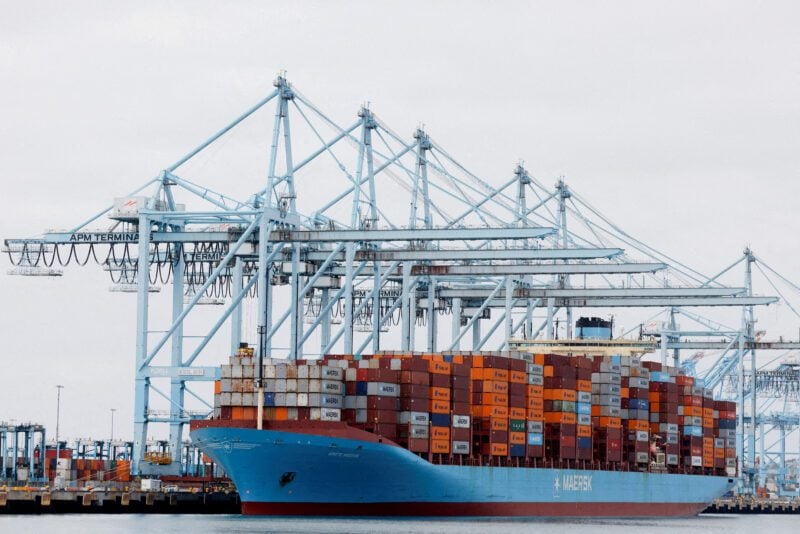
The specter of potential port strikes adds another layer of anxiety for shippers concerned about freight positioning. While Strickland suggests a resolved strike might only cause a modest bump, more substantial rate movements are anticipated closer to Christmas. The current elevation in van, refrigerated, and flatbed spot rates is not attributed to declining diesel prices, indicating a genuine capacity-driven increase rather than a fuel cost fluctuation.
The market is witnessing actual elevation and sustained high rates across all three major freight modes. The influx of ad hoc and transactional freight onto the spot market in the coming weeks makes a downward trend in rates unlikely. This situation underscores the dynamic nature of freight logistics and the constant need for adaptability.
Regional Capacity Constraints and Emerging Hotspots
Regionally, the weighted rejection index highlights week-over-week increases in the Midwestern corridor, including Iowa, Kansas, and Topeka. Phoenix and Gulf Coast markets like New Orleans and Mobile are also showing increased pressure. These areas, often characterized by lower freight volumes, carry significant weight on the weighted rejection index, signaling critical capacity availability issues.

The Pacific Northwest is another region demanding close attention. Heavy freight inflows at the ports of Seattle and Tacoma, driven by shippers rerouting cargo to avoid Los Angeles congestion, are contributing to the strain. Atmospheric rivers on the West Coast and snowfall in the Rockies and Cascades further complicate logistics. Low freight density in mountain and prairie regions inherently makes loads harder to cover, intensifying rate pressure on these lanes.
Temperature-Controlled Freight and Future Outlook
Even temperature-controlled freight is experiencing elevated rates on the West Coast, despite the reefer market’s typical seasonal peak occurring in January. This early surge indicates broader capacity challenges affecting specialized freight segments. The current market conditions, marked by rising trucking rejection rates and elevated spot rates, necessitate strategic planning for shippers and carriers alike to navigate the complexities of the holiday season.
The interplay of demand, driver availability, and external factors like port operations creates a volatile environment. Understanding these dynamics is crucial for maintaining supply chain efficiency and mitigating potential disruptions. As the holiday season progresses, close monitoring of these key indicators will be essential for all stakeholders in the freight ecosystem.
Source: FreightWaves Supply Chain Tech