COP31 Stalemate: Fossil Fuel Transition Blocked Amidst Global Disappointment
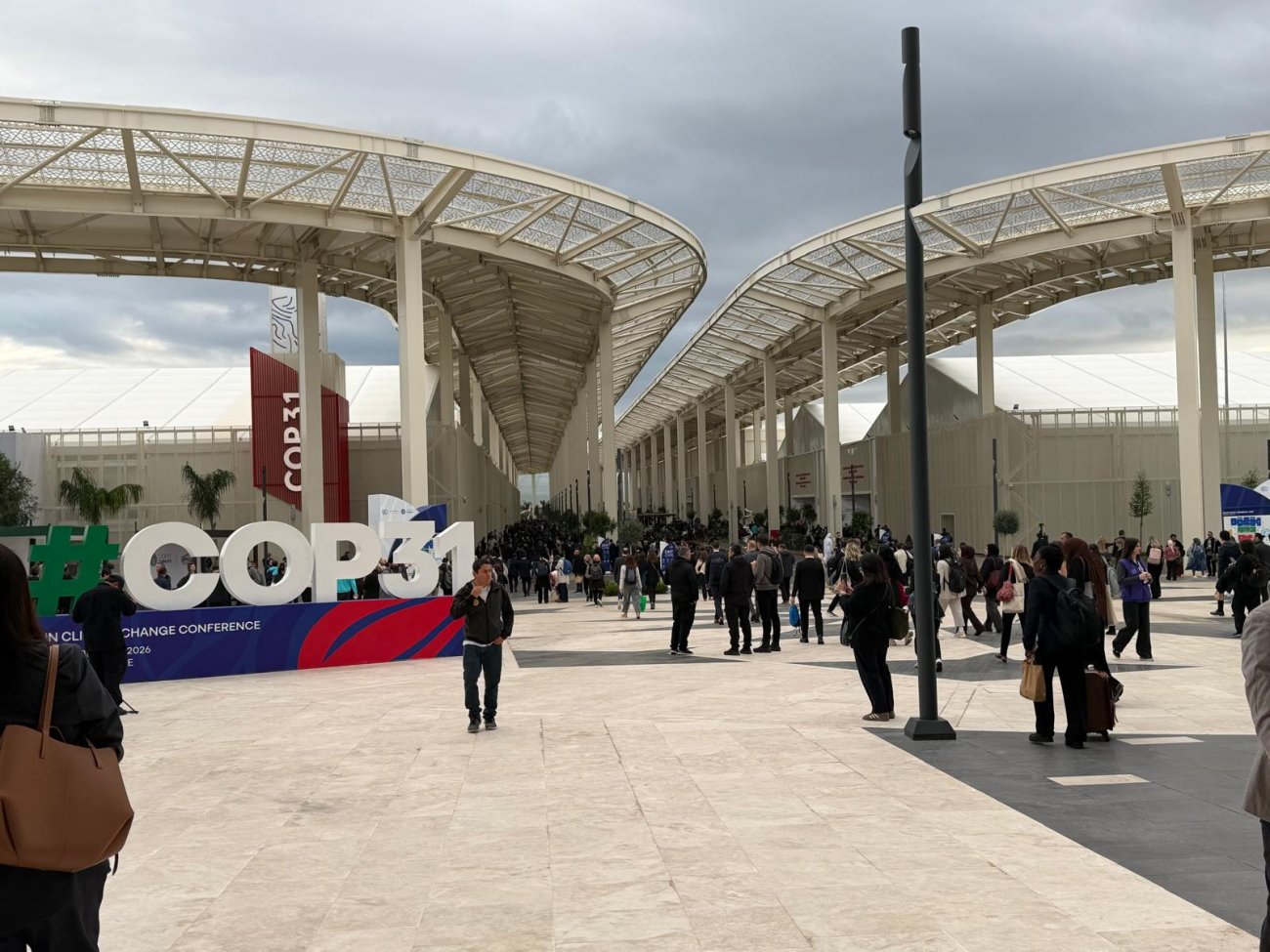
The United Nations climate summit, COP31, concluded in Antalya, Turkey, with a significant failure to reach a consensus on a major climate pact. Over 190 participating countries found themselves deadlocked, primarily over the explicit inclusion of language urging a transition away from fossil fuels. This outcome, described by some as the “worst COP ever,” has cast a shadow over global efforts to combat the escalating climate crisis.
Table of Contents
The two-week summit ran into overtime, with key nations like Russia and Saudi Arabia opposing any agreement that explicitly called for a move away from fossil fuels. Conversely, the European Union, the UK, and several developing nations formally objected to the omission of such language. COP31 President Murat Kurum confirmed the lack of consensus, stating, “It is clear that there are parties in this hall who oppose this text. We recognize that there is no consensus on this document. Therefore, these decisions have not been adopted.”
Scientific Imperative vs. Political Impasse
UN Secretary General António Guterres expressed deep disappointment on X, formerly Twitter, noting, “I’m deeply disappointed that #COP31 has ended without consensus on an overarching outcome.” He emphasized that despite the lack of agreement in the negotiating room, the scientific reality remains unchanged. “The take-home message from COP31 is clear: The world must do much more to confront the climate crisis. And it must do it now,” Guterres stated.
The European Commission echoed this sentiment, affirming that the EU and its member states “cannot accept a compromise that puts at stake the Paris Agreement and the basic principles that will allow for a livable future on this planet.” This stance highlights the fundamental divide between nations committed to stringent climate action and those hesitant to disrupt their reliance on fossil fuel economies.
The “Petroleum Mafia” and Hijacked Negotiations
Panama’s environment minister, Juan Carlos Navarro, delivered a scathing critique during a press conference, accusing the world of being “held hostage by the petroleum mafia.” He vividly described a scenario where the fossil fuel industry has convinced populations that their destructive practices are for the collective good, leading to environmental devastation. This powerful allegory underscored the perceived influence of fossil fuel interests in derailing climate negotiations.
Ireland’s climate minister, Darragh O’Brien, suggested that some Gulf States exerted undue influence, stating, “This COP, I believe, was hijacked by some oil states.” This sentiment was amplified by observations that Saudi Arabia’s position was strengthened by a perceived lack of active US engagement and diminished US-China coordination, which has historically facilitated compromises at previous COPs.
Engineering Trade-offs and the Unfulfilled Promise of Technology
Saudi Arabia’s official stance was that the COP text “must not mention fossil fuels” and should instead focus on boosting carbon capture technologies. While proponents argue that such technologies can mitigate emissions from existing infrastructure, critics point to their unproven scalability and potential to prolong fossil fuel dependence. This debate mirrors broader discussions in technological advancement, where innovations like advanced GPU-accelerated data processing, such as with Sirius unlocking 5.5x speedup for DuckDB, offer potential solutions but require careful consideration of their real-world impact and integration.
Ghiwa Nakat, executive director of Greenpeace MENA, voiced concern over the weakening of commitments to phase out fossil fuels, warning that it “risks undermining the progress needed to protect vulnerable countries and communities.” Edson Krenak, an Indigenous leader from Brazil, highlighted the human cost, stating that COP31 “failed because it refused to name the issue at the core of climate change: fossil fuels.” He lamented the turning of a blind eye to those who have suffered from rising temperatures this year alone.

Field Readiness and the Verdict: A Turning Point or a Retreat?
Clare Shakya, global managing director for climate at The Nature Conservancy, criticized the final text for its “unwarranted, irresponsible optimism” regarding unproven carbon capture technologies, while only vaguely referencing hard-won commitments to phasing out fossil fuels and tripling renewables. She noted that while goals around electrification and clean energy were mentioned, they were largely toothless without firm timelines and a clear commitment to ending fossil fuel dependence.
Sylvain Delerce, chief scientist at Carbon Gap, suggested viewing COP31 not as a deception but as a “turning point.” He argued that the limitations of the COP process are now crystal clear, and it’s time to reform the forum or use it differently. The focus now shifts to COP32 in Addis Ababa, Ethiopia, in 2027, but leaders stressed that action cannot wait. Decisions around electrification, adaptation finance, and other near-term climate issues can and must be accelerated now.
Angela Churie Kallhauge of the Environmental Defense Fund stated, “The road to Addis Ababa starts now. Between now and COP32, we need to accelerate action, show what is working and build the case for countries to go further.” The verdict on COP31 is one of profound disappointment, underscoring that without a direct confrontation of fossil fuel dependence, meaningful progress on the fossil fuel transition remains elusive, jeopardizing the future of the planet.
Source: AgFunderNews AgriFood Tech