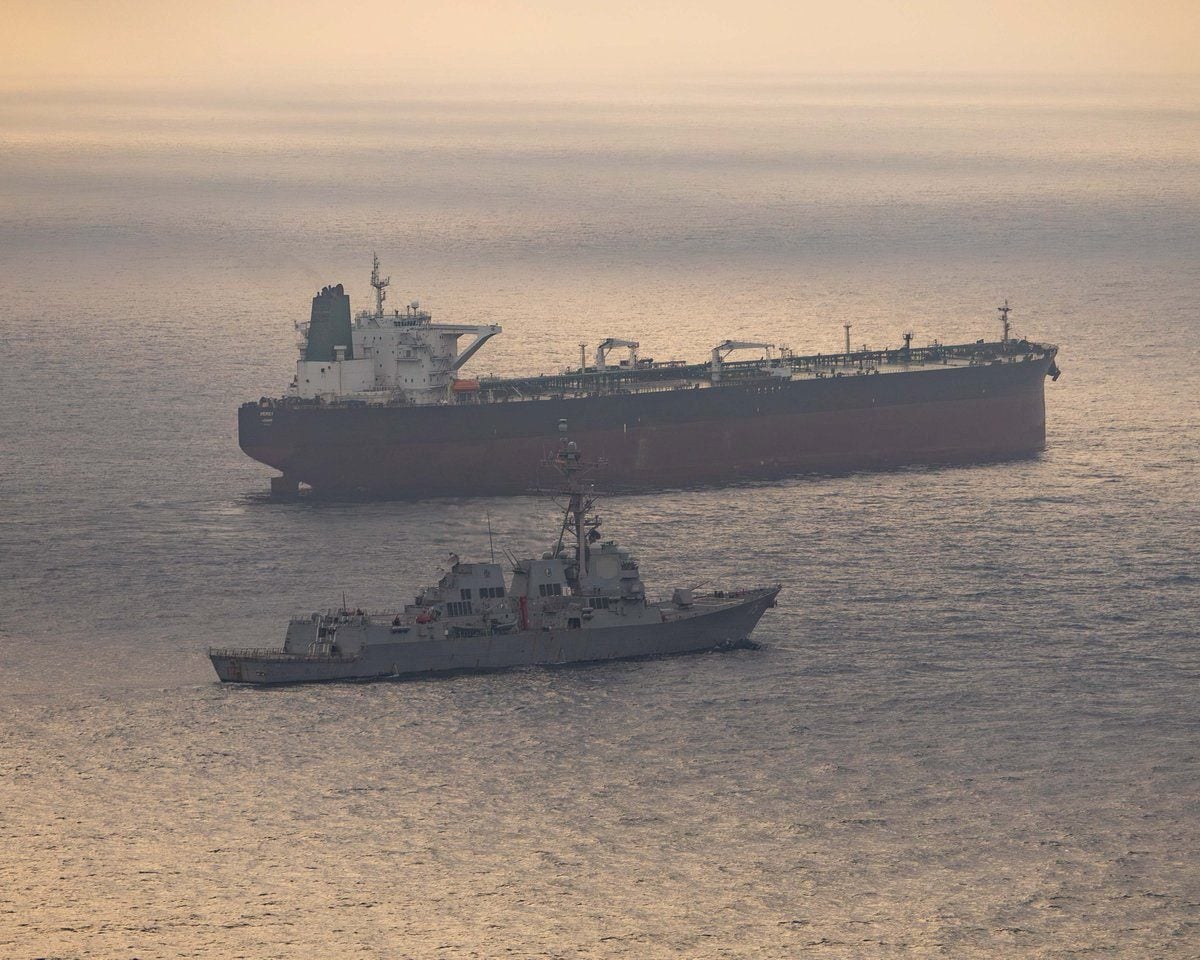
The 10-Second Story: Sophisticated AIS Spoofing Unlocks Deception in Maritime Traffic
A recent incident involving a vessel claiming to be the Iranian oil tanker ‘Khat Shekan’ has brought the issue of AIS spoofing to the forefront, underscoring the increasing difficulty in accurately tracking maritime traffic, particularly in sensitive geopolitical regions like the Strait of Hormuz. The vessel’s appearance on tracking platforms, suggesting it had passed a US blockade, was quickly identified as highly likely to be fabricated, pointing to deliberate obfuscation tactics by Iran.
Table of Contents
Navigational Deception: The ‘Khat Shekan’ Incident and AIS Spoofing Tactics
The vessel, whose name translates to “Line Breaker,” appeared on ship-tracking services like MarineTraffic, signaling an exit from the Persian Gulf. Analysts, however, quickly noted the absence of a unique International Maritime Organization (IMO) number and a valid Maritime Mobile Service Identity (MMSI) number, critical identifiers for legitimate vessels. Further investigation revealed no prior voyage records on major maritime intelligence platforms, leading experts to conclude that the signals were a deliberate act of AIS spoofing.
This practice involves transmitting false tracking or navigation data to mislead observers. It is a tactic long employed by operators involved in “dark” trades, such as those ferrying sanctioned Iranian oil, who often mask their journeys and cargo by mimicking the identities of demolished ships or spoofing their locations. The ‘Khat Shekan’ incident represents a significant escalation, demonstrating Iran’s intent to disrupt global oil trade by making monitoring efforts even more challenging.
Geopolitical Implications and the Strait of Hormuz
The Strait of Hormuz is a vital chokepoint for global oil supplies, and any disruption here has significant economic repercussions. Iran, having previously closed the strait in response to US actions, continues to seek ways to circumvent sanctions and maintain its crude exports. The reintroduction of a US naval blockade aimed to sever a crucial financial lifeline for Tehran, but Iran has vowed to break it.
Deputy Foreign Minister Kazem Gharibabadi stated that Iran would take “whatever measures are necessary” to overcome the blockade. This incident, coupled with Washington’s recent widening of the blockade to potentially target ships receiving cargoes at sea, highlights the escalating tensions. The situation is further complicated by the potential for advanced technological countermeasures, such as sophisticated AIS spoofing, to obscure legitimate activities.
Technological Vulnerabilities and Future Maritime Security
The ‘Khat Shekan’ event underscores the inherent vulnerabilities in current maritime tracking systems. While AIS is a critical tool for collision avoidance and traffic management, its susceptibility to spoofing presents a significant challenge for intelligence agencies and shipping companies. This incident is a stark reminder of the need for enhanced verification methods and more robust cybersecurity measures within maritime operations.
As geopolitical conflicts continue, the use of deceptive technologies like AIS spoofing is likely to increase. This necessitates a proactive approach from international bodies and technology providers to develop and implement more resilient tracking and identification systems. The ability to accurately monitor vessel movements is paramount for maintaining stability in global trade and ensuring the security of critical shipping lanes, a challenge that requires continuous innovation in areas like secure data transmission and advanced analytics, akin to the advancements seen in securing smart home devices with controllers like the ESP32-S3.
Conclusion: Navigating Uncertainty in Global Trade
The incident involving the fake Iranian tanker serves as a critical case study in the evolving landscape of maritime security and geopolitical maneuvering. The sophisticated use of AIS spoofing demonstrates Iran’s capacity to create uncertainty and complicate monitoring efforts, posing a direct challenge to international efforts to regulate oil trade and enforce sanctions.
As analysts and authorities grapple with these advanced obfuscation tactics, the need for more resilient and verifiable tracking technologies becomes increasingly apparent. The ability to distinguish genuine vessel signals from fabricated ones is crucial for maintaining the integrity of global supply chains and preventing potential escalations in volatile regions. The ongoing efforts to enhance maritime security must keep pace with technological advancements in deception, ensuring that critical infrastructure remains transparent and secure.
© 2026 Bloomberg L.P. Source: gCaptain Maritime Tech