
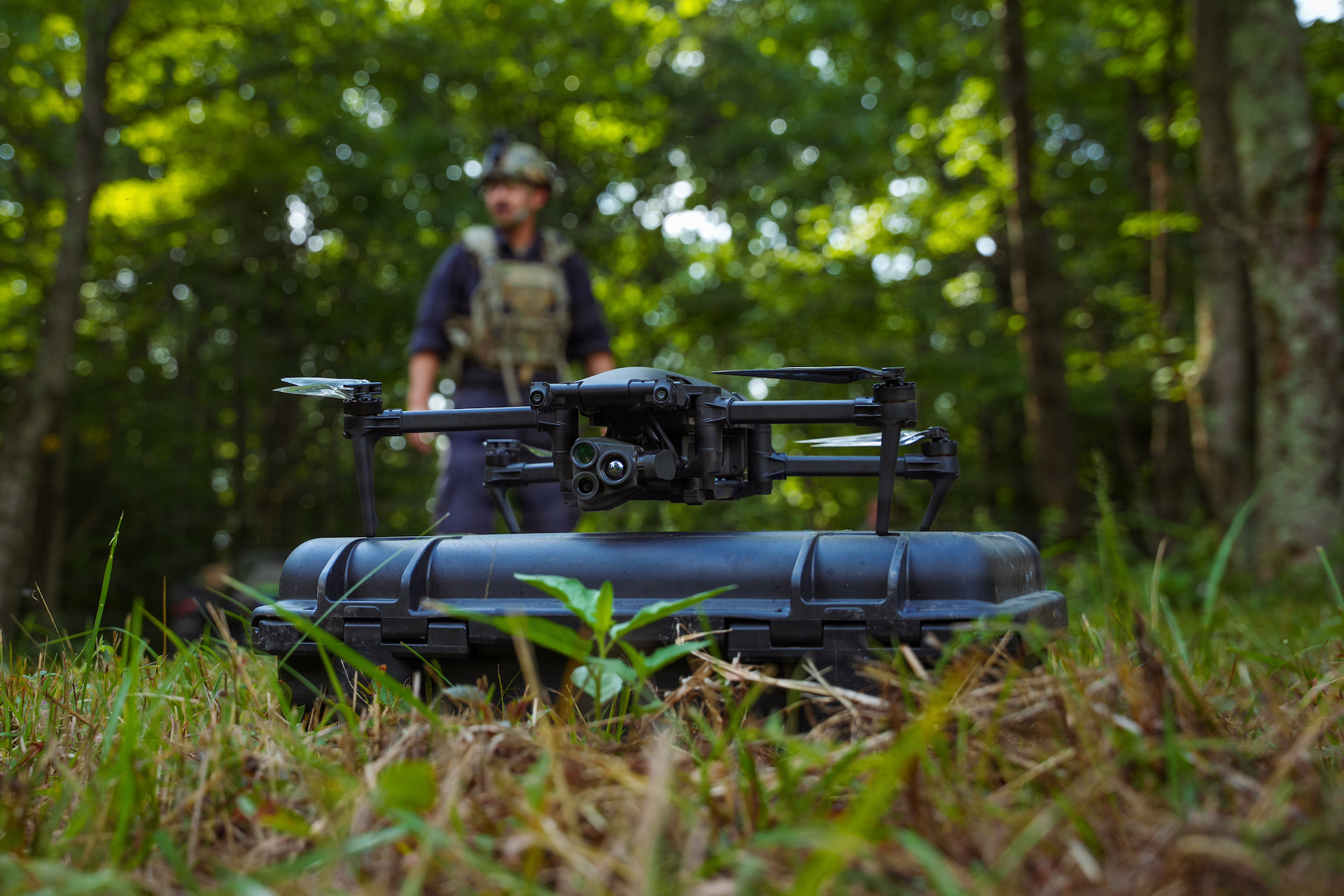
The 10-Second Story: The Army is slashing wait times for drone and counter-drone companies to test their gear, opening up new, easier-to-access testing grounds.
Indiana’s New Drone Proving Grounds
Imagine a company building a faster race car. They don’t just build it in their garage; they need a real track to see how it performs. The Army is doing something similar for drone and counter-drone technology.
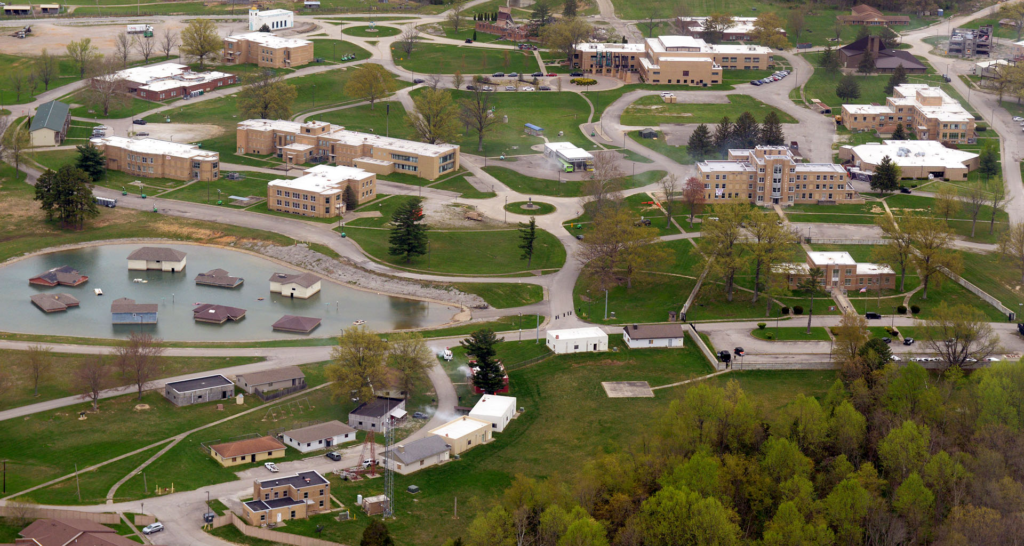
They’ve opened up two locations in Indiana – Camp Atterbury Joint Maneuver Training Center and Muscatatuck Training Center – as special “permissive” zones.
This means companies can get their cutting-edge gear onto a real testing environment much faster than before.
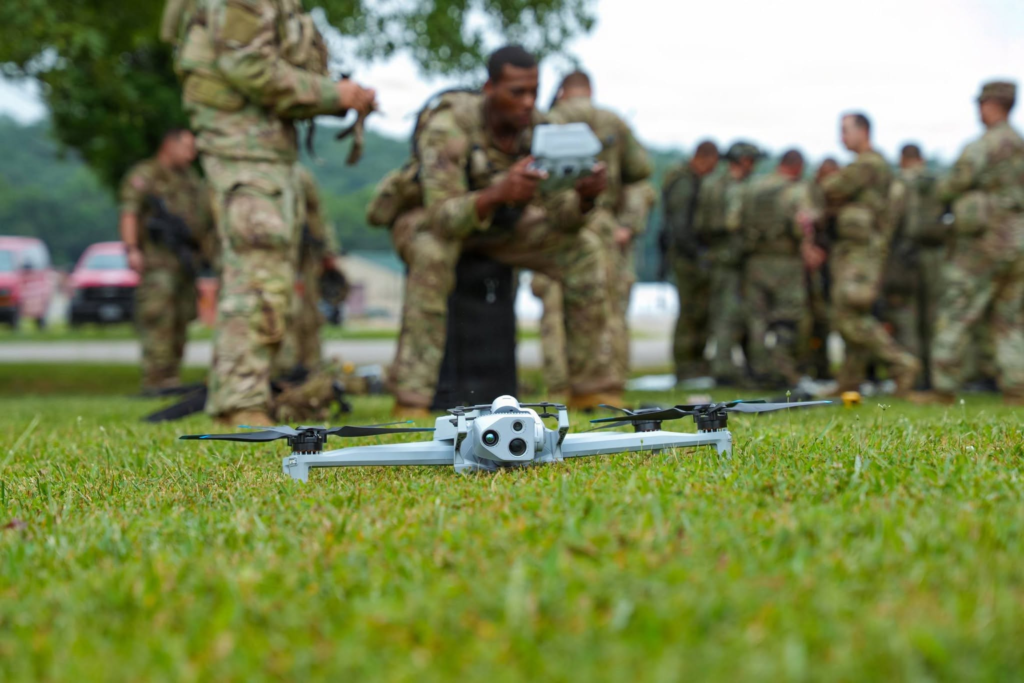
From Bureaucracy to Battlefield Readiness
Getting new tech into the hands of soldiers used to take a painfully long time. The former Army Secretary, Dan Driscoll, noted that it could take 12 to 18 months for a company to get approval to test a piece of equipment that could make soldiers safer or more effective.
That’s like waiting over a year to test a new tire design for that race car! The Army’s new initiative aims to shrink this window dramatically, allowing for quicker innovation and deployment of vital unmanned aerial systems (UAS) and counter-UAS tools.
Tailored Testing Environments for Every Mission
These new sites offer unique advantages. Camp Atterbury boasts over 34,000 acres of secure space with a dedicated airspace corridor reaching up to 40,000 feet – perfect for testing high-flying drones or systems that need a lot of room to maneuver.
Think of it as a vast, clear desert highway for speed tests. Muscatatuck Training Center, on the other hand, is a 1,000-acre site designed with configurable urban infrastructure.
This means companies can simulate testing their drone navigation and tracking systems within realistic city-like environments, complete with buildings and complex layouts.
It’s like having a miniature, adaptable city to test how your drone can navigate tight streets or avoid obstacles.

Streamlined Access and Expert Support
To make the process even smoother, the Army has set up an online portal (testrange.army.mil) where vendors can submit requests. More importantly, they’ve created a dedicated “concierge team” within the Army Test and Evaluation Command (ATEC).
This team acts like a personal assistant for companies, helping them navigate scheduling and coordinate testing requirements with the Indiana National Guard. While getting your desired time slot isn’t guaranteed due to capacity, this concierge service ensures that applicants are worked with to find suitable alternatives, making the entire process far more efficient.
Field Readiness: Accelerated
The Army’s commitment to faster vendor access to testing ranges, exemplified by the new Indiana sites, is a significant step in modernizing its drone and counter-drone capabilities.
By reducing bureaucratic hurdles and providing specialized environments, the service is fostering a more agile ecosystem for developing and fielding critical defense technologies.
Source: Originally reported by Techswire Aggregate (rss.app).