Lufthansa Cargo Acquisition Unlocks Enhanced Operational Control
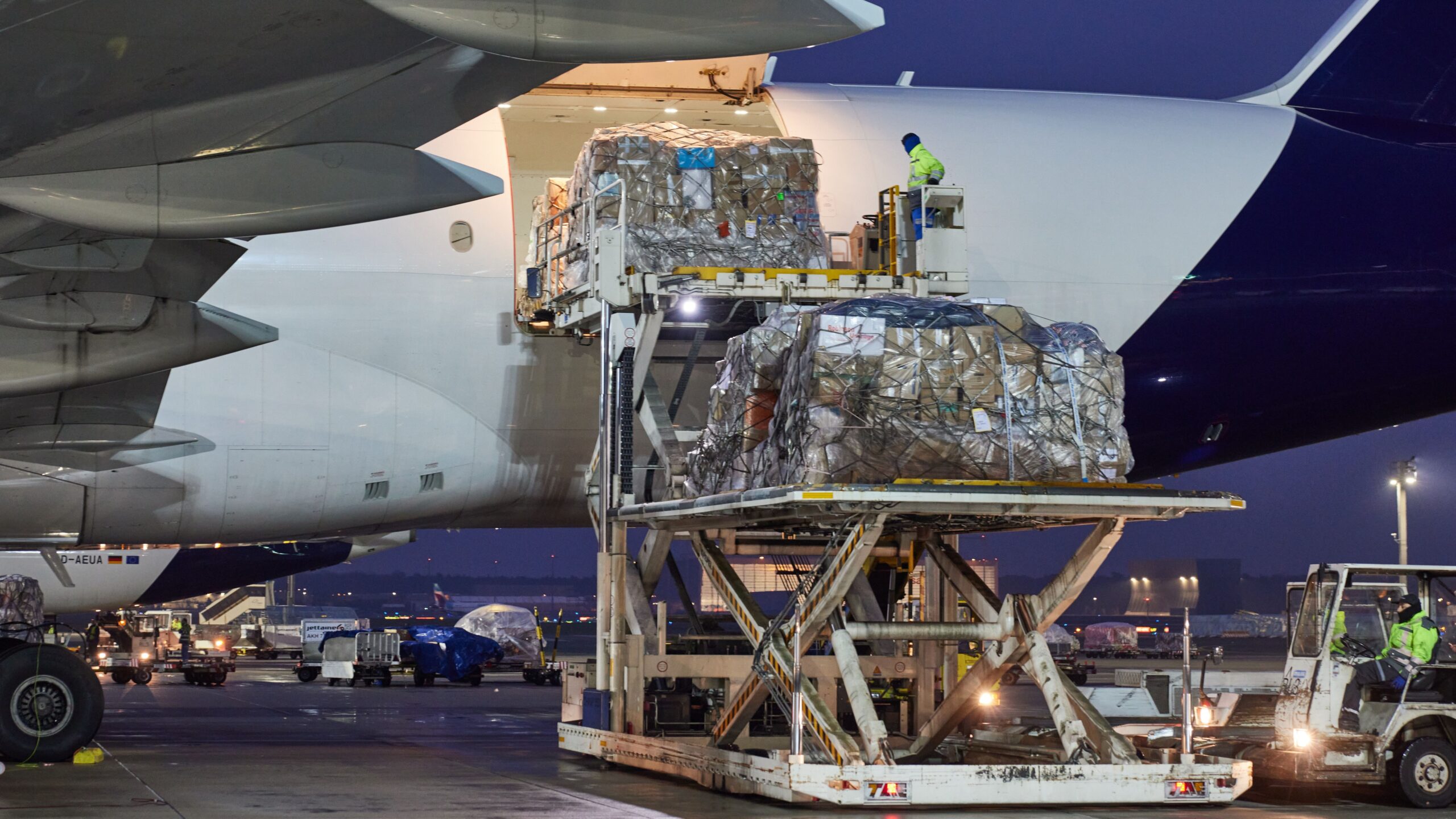
The Lufthansa Cargo acquisition of Fiege Air Cargo Logistics GmbH’s Frankfurt operation marks a significant step towards vertical integration for the global air cargo carrier. This move, following closely on the heels of acquiring another ground agent, LUG air cargo handling GmbH, aims to bring cargo handling operations at its Frankfurt hub under direct management. This strategic consolidation is designed to streamline processes and improve service reliability.
Table of Contents
By reducing reliance on third-party vendors for critical shipment transfers between trucks and aircraft, Lufthansa Cargo intends to offer a more dependable service. This direct management approach is a key component of their strategy to differentiate themselves from competitors who still depend heavily on external airport services companies for ground handling.
Streamlining Operations with Direct Management
The acquisition of Fiege Air Cargo Logistics GmbH, which also operates at Cologne/Bonn and Zurich airports, will see Fiege continue to assist Lufthansa Cargo in recruiting, training, and providing specialized warehouse personnel. Fiege has been handling physical cargo for Lufthansa in Frankfurt since 2020, making this a continuation of an existing partnership under new ownership.
Lufthansa Cargo, currently ranked 14th globally by traffic volume according to IATA, operates a substantial fleet including 12 Boeing 777 freighters and markets capacity on six more through the AeroLogic joint venture. The airline also leverages belly capacity from its sister airlines, further expanding its freight transport capabilities.
Strategic Vision for Future Growth
Frank Bauer, chief operations officer at Lufthansa Cargo, emphasized the strategic importance of this move. “Taking full responsibility for handling operations is a logical step in this regard,” Bauer stated. “This will allow us to introduce new technologies and automate our warehouse more quickly thanks to leaner structures, thereby enhancing quality and efficiency.”
This acquisition is central to Lufthansa Cargo’s ambition to be among the top three global air cargo providers by 2030. The company is investing in capacity expansion, efficiency improvements, and automation to support global businesses. This aligns with broader industry trends towards greater automation, similar to how advancements in areas like swimming pool automation are leveraging new controllers for smarter maintenance.
Integration and Expanded Capacity
The acquisition of LUG air cargo handling GmbH on November 2nd significantly boosted Lufthansa Cargo’s warehouse capacity and operational flexibility in Germany. This move provides more direct control over shipments throughout their journey, a critical factor in maintaining service quality. LUG continues to operate as a distinct brand, serving its existing clientele alongside Lufthansa Cargo.
The additional ground handling capacity from LUG complements Lufthansa Cargo’s ongoing $682 million cargo terminal expansion and modernization project at Frankfurt International Airport, slated for completion in 2030. Uwe Glunz and Patrik Tschirch have been appointed co-CEOs of LUG, overseeing its integration and continued operations.
Financial Performance and Market Position
Lufthansa Cargo demonstrated strong financial performance in the third quarter, tripling its operating profit year over year to 162 million euros ($177 million). This surge was driven by a 28% increase in core transportation revenue, partly due to increased business from Middle East carriers affected by regional conflicts. Higher yields, a 22% increase, were attributed to reduced industry capacity and rising jet fuel prices.
Demand remains robust, particularly from the Asia/Pacific region and the Americas. The company achieved an adjusted operating margin of 15.6%, a significant improvement from 6% in the same period last year. This financial strength supports further strategic investments in infrastructure and technology, potentially drawing parallels to how custom firmware can unlock new features and performance in specialized equipment.

Engineering Trade-offs and Future Outlook
While the integration of Fiege and LUG aims to enhance efficiency, potential trade-offs include the complexity of managing multiple acquired entities and ensuring seamless integration of new technologies and automated systems. The company’s success hinges on its ability to harmonize operations and leverage its expanded infrastructure effectively.
The strategic focus on vertical integration and automation positions Lufthansa Cargo to navigate the evolving demands of the global air logistics sector. By taking greater control over ground handling, the company seeks to mitigate external dependencies and optimize its supply chain, a critical factor for maintaining competitiveness in the long term.
Field Readiness and Verdict
Lufthansa Cargo appears well-positioned for its ambitious growth targets, with the acquisitions at Frankfurt Airport serving as a cornerstone of its strategy. The company’s commitment to investing in infrastructure, technology, and operational control indicates a strong readiness to meet future market demands.
The successful integration of these ground handling operations, coupled with ongoing terminal modernization, is expected to significantly enhance Lufthansa Cargo’s capacity and efficiency. This strategic consolidation is a clear indicator of the company’s determination to solidify its position among the world’s leading air cargo providers.
Source: FreightWaves Supply Chain Tech