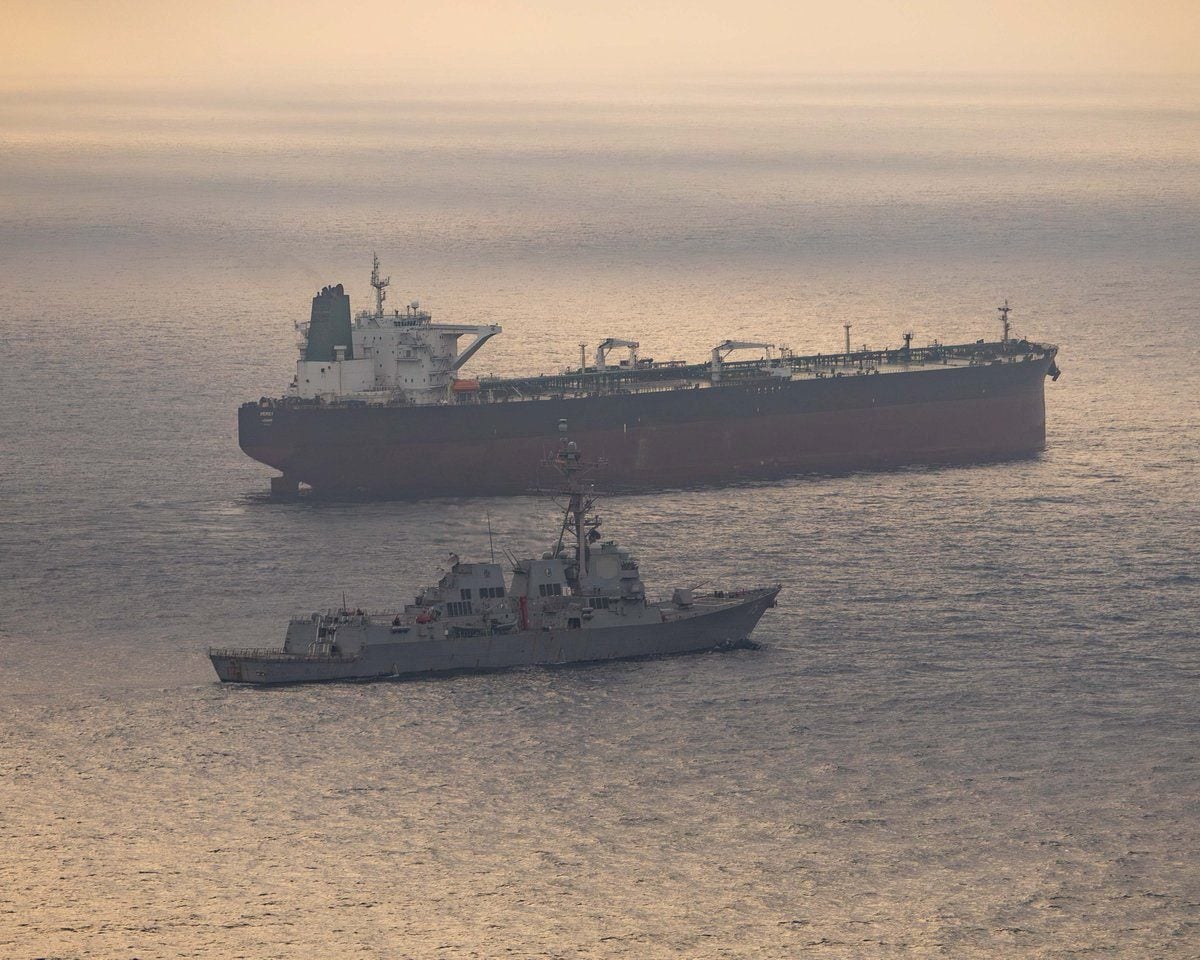
Russian Military Logistics Ship Fire Unfolds After Drone Strike
The 10-Second Story: A significant fire aboard a Russian military logistics vessel, the Sparta II, continues to burn off the Finnish coast after being struck by drones. The incident, believed to be a Ukrainian attack, has led to the evacuation of 16 crew members and heightened concerns about the security of maritime operations in the Baltic Sea.
Table of Contents
Finland’s coast guard confirmed on Sunday that firefighting efforts were ongoing throughout the night, with multiple vessels attempting to douse the flames and cool the ship’s containers. The Sparta II, en route to Russia’s Kaliningrad exclave, was damaged in international waters before drifting into Finnish territorial waters, where it remains anchored.
Vessel Architecture and Attack Vector
The Sparta II, identified as a key component of Russia’s military logistics network, was reportedly targeted by Ukrainian drones. While the exact specifications of the vessel’s cargo and internal systems are not publicly disclosed, its role suggests it was carrying vital supplies. The attack highlights the evolving tactics of the conflict, with drones being increasingly utilized for strategic strikes against maritime assets.
This incident is reminiscent of other maritime security challenges, such as the potential for supply chain disruptions. While not directly related to technology, the need for robust Russian military logistics networks underscores the importance of secure and stable supply chains, a concept also relevant in sectors like port security, as seen in the Port Security Deal Unlocks Supply Chain Stability.
The Finnish military has corroborated Ukrainian claims, suggesting the strike was a deliberate act. The proximity of the attack to NATO member airspace has also raised alarms among regional defense forces. The Estonian Navy Commander has warned that the risk of further attacks in the Gulf of Finland cannot be dismissed.
Engineering Trade-offs and Escalation Risks
The ongoing fire presents significant environmental and logistical challenges. Dousing the flames on a large cargo ship, especially with potentially hazardous materials onboard, requires specialized equipment and careful coordination. The trade-off between immediate fire suppression and the risk of further damage or environmental contamination is a critical consideration for the responding authorities.
Furthermore, the attack on a vessel linked to Russian military logistics raises questions about the broader implications for naval warfare and international maritime law. The use of drones in such attacks represents a significant advancement in asymmetric warfare capabilities, forcing nations to re-evaluate their defensive strategies. This mirrors advancements seen in other fields, such as how custom firmware can unlock new features for specialized hardware, as demonstrated by the CMU200 Custom Firmware Unlocks 5x Features.
The incident underscores the vulnerability of maritime trade routes and military supply lines in conflict zones. The potential for collateral damage and the spillover of conflict into neighboring territories remain pressing concerns for regional stability.

Field Readiness and Verdict on Baltic Security
The Sparta II incident serves as a stark reminder of the volatile security situation in the Baltic Sea region. The effectiveness of drone technology in targeting and damaging military assets has been demonstrated, posing a new threat to traditional naval security measures.
The response from Finnish and potentially other regional coast guards will be crucial in mitigating the immediate crisis and assessing the long-term security implications. The ability to respond effectively to such incidents is a testament to the readiness of maritime emergency services, though the underlying threat from sophisticated drone attacks remains.
Ultimately, the ongoing fire on the Russian military logistics ship is a critical event that signals a potential escalation in the conflict. It highlights the need for enhanced maritime surveillance, robust defensive capabilities, and international cooperation to ensure the safety and stability of the Baltic Sea.
Source: gCaptain Maritime Tech
URL: https://gcaptain.com/russian-cargo-ship-still-on-fire-off-finland-after-attack/