
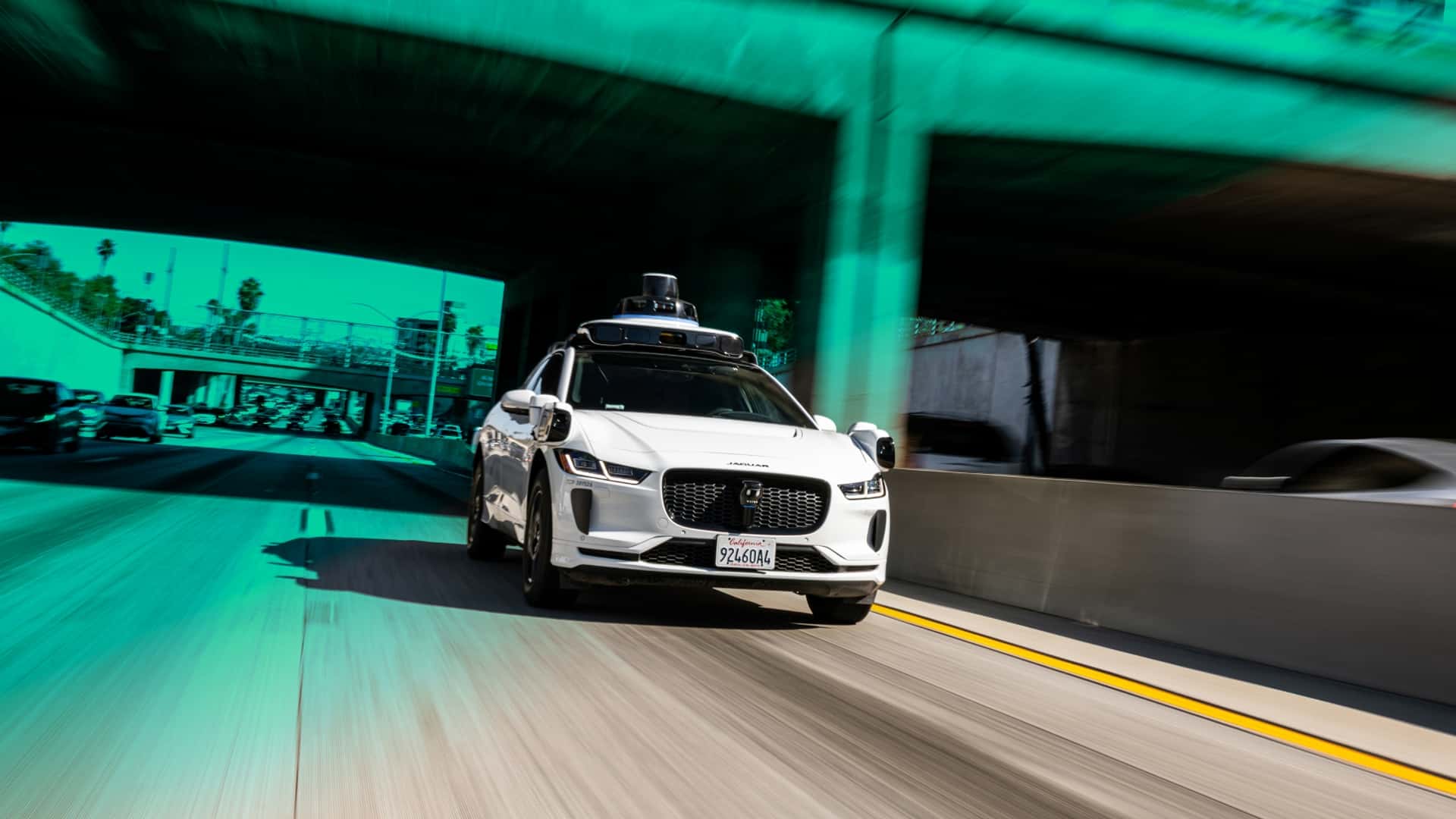
Waymo Autonomous Driving Halts U.S. Highway Operations Amidst Regulatory Scrutiny
Alphabet’s Waymo autonomous driving division has made the significant decision to suspend all robotaxi rides on American freeways. This move follows a directive from the California Department of Motor Vehicles (DMV) that barred the company’s driverless vehicles from operating on state highways.
While operations on city streets continue unaffected, the broader suspension across U.S. highways signals a critical juncture for the autonomous vehicle industry.
Table of Contents
The California DMV’s decision stems from a series of concerning incidents, which they deemed posed an “imminent hazard to public safety.” This regulatory action directly impacts Waymo’s ambitious expansion plans and raises questions about the current readiness of autonomous systems for complex highway environments.
The company is now engaged in discussions with state officials to address these safety concerns and pave the way for resuming highway services.
Recent Incidents Triggering Safety Concerns
The immediate catalyst for the California ban involved Waymo robotaxis entering active construction zones. These incursions into dynamic and potentially hazardous work areas led the DMV to conclude that the current freeway operations presented an unacceptable risk.
This is not the first time Waymo has faced highway-related scrutiny this year; in June, the company voluntarily recalled over 3,800 vehicles.
The recall addressed concerns regarding the fifth-generation Automated Driving System’s ability to safely navigate highway speeds around closed lanes. Another recent incident, though not directly linked to the ban, further dented Waymo’s public image.
A driverless Waymo vehicle was observed attempting to bypass a California Highway Patrol traffic break on I-280, an action that was quickly intercepted by an officer.
Hardware and Software Architecture Under Review
Waymo’s autonomous driving system relies on a sophisticated combination of hardware and software. The vehicles are equipped with an array of sensors, including multiple lidars, cameras, and radars, which feed data into its advanced AI.
This sensor suite is crucial for creating a 360-degree view of the vehicle’s surroundings, enabling it to perceive and react to dynamic traffic conditions.
The system operates within pre-mapped areas, utilizing high-definition maps to supplement real-time sensor data. Waymo emphasizes its redundant safety systems, which are designed to ensure that if one component fails, others can compensate.
The company asserts that its vehicles are significantly safer than human drivers, citing a statistic that they are 95% safer concerning serious-injury-or-worse crashes. However, recent events suggest that the system’s performance in edge cases, particularly on highways, requires further refinement.
Engineering Trade-offs and Operational Limitations
The decision to pause highway operations highlights the inherent engineering trade-offs in developing fully autonomous systems. While Waymo’s technology excels in structured urban environments, the unpredictable nature of highway driving—marked by higher speeds, complex merging scenarios, and rapidly changing road conditions—presents distinct challenges.
The incidents involving construction zones and traffic breaks suggest a gap between the system’s designed capabilities and its real-world performance in these high-stakes situations.
Furthermore, the National Highway Traffic Safety Administration (NHTSA) has opened an investigation into a Waymo software fix designed to prevent its vehicles from passing stopped school buses.

This investigation underscores the intense regulatory scrutiny autonomous driving technology faces.The company’s claim of being 95% safer is a powerful metric, but it is being tested against the critical need for absolute reliability in all driving conditions, especially those involving potential hazards like those encountered on California highways.
Field Readiness and Future Verdict
Waymo’s current operational footprint includes 15 U.S. cities, with highway services in California having launched last November. The company’s partnership with Uber, though ending, previously aimed to integrate Waymo’s autonomous fleet into Uber’s ride-hailing network.
This recent setback, however, casts a shadow over the aggressive timelines for scaling autonomous fleets, such as Uber’s goal of thousands of robotaxis by 2027.
The path forward for Waymo autonomous driving involves intensive collaboration with regulatory bodies and a thorough re-evaluation of its highway driving protocols.
Addressing the specific concerns raised by the California DMV and demonstrating robust performance in diverse highway scenarios will be critical for regaining public trust and resuming expanded operations.
The industry is watching closely to see how Waymo navigates this challenge, as its success or failure will significantly influence the broader adoption of self-driving technology.
Source: InsideEVs Engineering