October’s Used EV Market Snapshot: Growth Continues Amidst Shifting Dynamics
The U.S. used EV market demonstrated robust year-over-year growth in October, with sales climbing an impressive 73.2% compared to the same period last year.
An estimated 48,678 pre-owned electric vehicles found new owners, marking a 4.7% increase from September. This sustained expansion highlights a maturing secondary market for electric cars, driven by increasing supply and evolving consumer preferences.
Despite a slight monthly dip in Tesla sales, the overall trend for the used EV market remains strongly positive, indicating growing consumer acceptance and a wider availability of pre-owned electric options.
Table of Contents
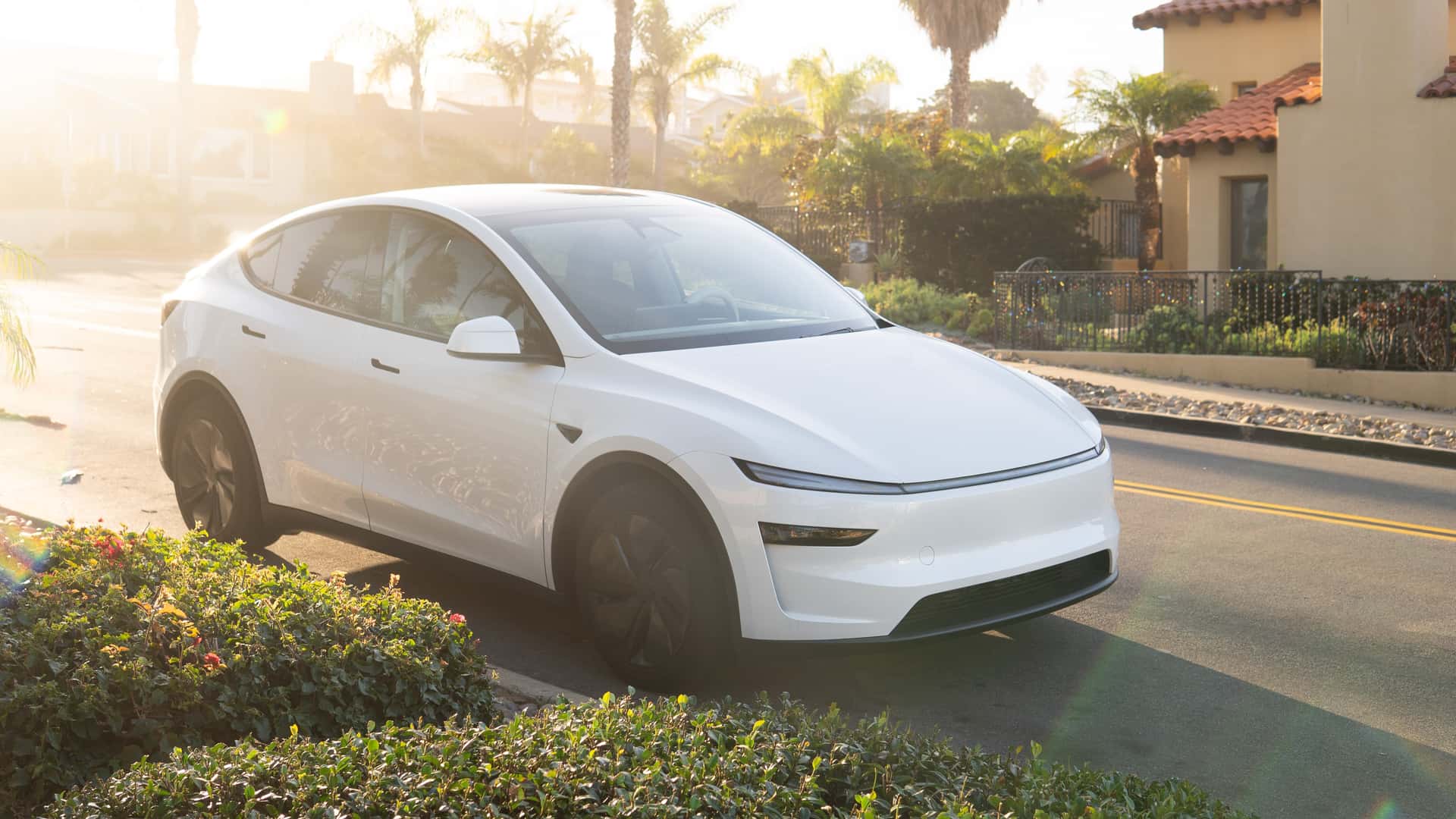
Tesla, while still the dominant force in the used EV sector, experienced a 5.4% decrease in sales from September to October. This slight downturn allowed other manufacturers to gain ground.
The Chevrolet Equinox EV, Kia EV6, and Nissan Leaf all saw increased buyer interest, signaling a diversification in the popular used EV models.
This shift suggests that consumers are increasingly considering a broader range of electric vehicles beyond the established Tesla brand, potentially due to expanding model availability and competitive pricing.
Market Dynamics and Pricing Trends
The average asking price for a used EV in October settled at $36,582, a marginal decrease from September’s $36,767 and 1.9% lower than the previous year. This stabilization or slight decrease in pricing is crucial for making electric vehicles more accessible to a wider demographic.
Models such as the Chevrolet Equinox EV, Volkswagen ID.4, Ford Mustang Mach-E, and Nissan Ariya all experienced price reductions, further enhancing their appeal in the pre-owned market.
Conversely, used Teslas saw a slight increase in their average asking price, rising 1.8% to $34,109. Despite this increase, used Teslas remained approximately $2,500 cheaper than the average used EV.
This price differential, coupled with the overall market growth, suggests a healthy and competitive used EV market where value and choice are increasingly available to consumers. The availability of more choices across brands and price points, partly due to growing numbers of vehicles coming off lease, is a key factor in this market evolution.
Engineering Considerations and Supply Chain Factors
The increasing volume of used EVs entering the market is a direct consequence of maturing lease cycles and expanding new EV production. This influx presents both opportunities and challenges for the automotive industry.
As more electric vehicles transition from their initial ownership, the demand for reliable diagnostics and repair infrastructure becomes paramount. Understanding the long-term performance and maintenance costs of these vehicles is essential for both consumers and manufacturers.
The supply of used EVs on dealer lots averaged 38 days in October, compared to 47 days for gasoline-powered cars and hybrids. Used Teslas, in particular, showed the shortest supply, with an average of 32 days on hand at traditional dealerships. This indicates a strong demand relative to available inventory for the brand’s pre-owned models.
However, it’s important to note that this count excludes Tesla’s own retail channels, which may hold additional inventory. This dynamic suggests that while the overall used EV market is expanding, specific models and brands continue to command significant consumer interest.
EV Adoption and Market Share Expansion
Electric vehicles constituted 3.3% of all used car sales in October, matching the previous month’s record and significantly up from 2% a year prior. This growing market share underscores the accelerating adoption of EVs.

The average premium for a used EV over comparable gasoline cars and hybrids was $2,236 in October, a slight increase from September. This premium, while present, is diminishing as the used EV market matures and competition intensifies.
The broader automotive landscape also saw shifts, with new EV sales reaching 83,262 units in October. This represented a 3% year-over-year increase, the first such gain in 2026. EVs held a 6.2% share of the new car market.
The average price for a new EV, even with incentives, was $56,221. The availability of new EVs, while growing, still faces challenges with dealer supply days at 85, more than double that of used inventory. This contrast highlights the growing importance and accessibility of the used EV market for consumers seeking to transition to electric mobility.
Field Readiness and Future Outlook
The increasing volume of used EVs entering the market necessitates a robust ecosystem of support, including charging infrastructure and maintenance services. As more consumers rely on these vehicles, ensuring their long-term viability and performance becomes critical.
Technologies like those explored in the development of smaller, more efficient AI models, such as the Tiny Language Model Fits On Floppy Disk, could eventually play a role in vehicle diagnostics and user interfaces, optimizing the ownership experience.
The trend of increasing used EV sales, coupled with a growing diversity of models gaining popularity, points towards a healthy and expanding market. As supply continues to grow and prices remain competitive, the used EV market is poised to become an even more significant driver of electric vehicle adoption.
This trend is further supported by advancements in charging technology, such as the development of 500 kW EV Chargers, which will improve the practicality and appeal of EV ownership across the board.
Source: InsideEVs Engineering