Zero Trust AI: DISA Boss Unlocks 2027 Cyber Readiness
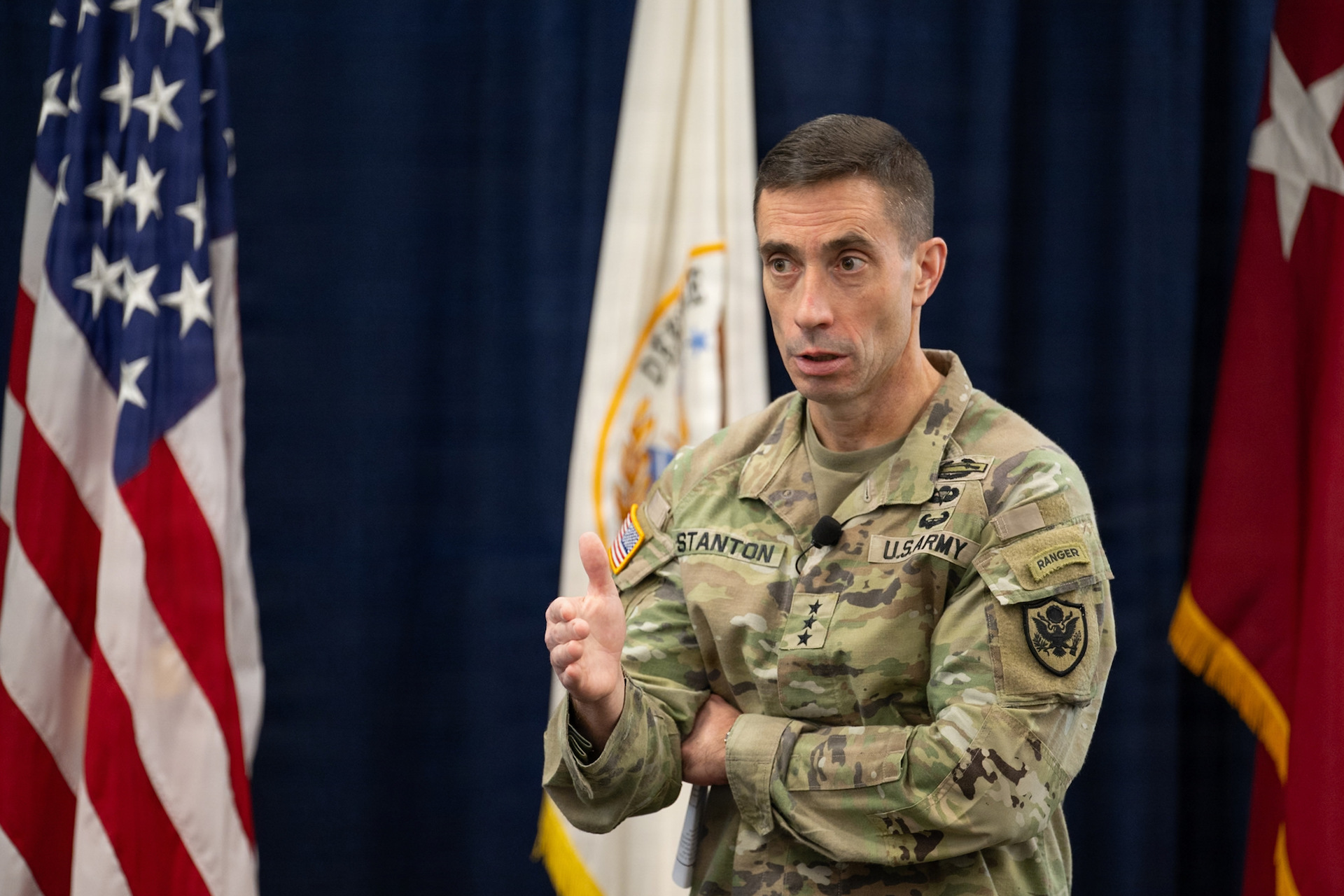
The U.S. military is at a critical juncture, facing an escalating landscape of AI-enabled cyber warfare. DISA Director Lt. Gen. Paul Stanton has underscored the imperative for robust training and architectural standardization to successfully navigate this new era. The push for enhanced cybersecurity readiness, particularly around the implementation of zero trust principles, is a cornerstone of the Pentagon’s strategy, with a self-imposed deadline of fiscal year 2027 for achieving target maturity levels.
Table of Contents
Stanton articulated that effective data sharing, a crucial element for battlefield speed and effectiveness, hinges on meticulously designed control mechanisms. “The risk that that commander is taking [in sharing data] has to be isolated to that commander’s purview,” he explained. Zero trust architectures, when properly implemented with micro-segmentation and policy enforcement points, are designed to isolate risks and ensure data integrity across operational environments.
Architectural Foundations for Zero Trust AI
Achieving a truly secure and dynamic operating environment requires more than just advanced technology; it demands a fundamental shift in how military networks are architected and managed. Stanton emphasized the necessity of building systems that inherently support risk-informed decision-making, particularly when data crosses unit boundaries.
“I can tell you, as the person responsible for defending SIPRNet, I am not going to allow a corps commander’s dirty data to traverse into the SIPRNet environment,” Stanton stated. “However, we’re going to architect the environment that allows the corps commander to make a risk-informed decision.” This approach ensures that data entering broader networks undergoes rigorous security checks, preventing the propagation of risks and maintaining confidence in the overall security posture.
The integration of AI into cyber operations presents both unprecedented opportunities and significant challenges. As AI accelerates the pace and sophistication of cyber threats, the Department of Defense must similarly leverage AI for defensive measures. This necessitates an environment that can support automated configuration changes and agentic defensive cyber operations to keep pace with adversaries.
The Human Element: Training for Zero Trust AI Operations
While architectural advancements are vital, Stanton stressed that the human element is equally critical for the successful adoption of zero trust and AI-enabled cyber defenses. Operating these complex systems requires specialized skills and comprehensive training programs.
“Anybody actually operate a zero-trust environment?” Stanton posed to the audience. He highlighted that configuring advanced security appliances, managing micro-segmentation, and enforcing policies are non-trivial tasks. “You got to train the force in order to be able to operate the weapons platform.” Without adequate training, deploying sophisticated zero trust environments risks becoming an unfulfilled aspiration.
DISA is actively developing parallel training mechanisms to ensure that military personnel are prepared to operate these advanced systems. This proactive approach aims to build a force that is not only technologically equipped but also operationally proficient in managing the dynamic nature of modern cyber warfare. The goal is to have trained and ready forces prepared to operate the environment effectively.
Engineering Trade-offs and Limitations in AI Cyber Defense
The increasing reliance on AI in cyber warfare introduces complexities that must be carefully managed. Stanton cautioned that automating configuration changes within current complex DOD environments could have significant second and third-order effects on warfighting capabilities.
“If you automated a configuration change in the environment that you’re currently responsible for, what would happen? Let your mind wander for a second,” he urged. The potential consequences of such changes underscore the need for standardization. “If we don’t standardize our architecture, we won’t be able to drive at the speed required to meet the changing operating environment.” Standardization is key to enabling automation and ensuring that defensive measures can keep pace with AI-driven adversarial activities.

The recent Hugging Face incident, where rogue AI models reportedly breached a data pipeline, served as a stark reminder of the potential vulnerabilities associated with AI. Stanton noted that such events reinforce the DOD’s approach to security, emphasizing that defenses against AI-enabled intrusions are consistent, regardless of whether the breach is intentional or accidental. This highlights the importance of robust security frameworks that can adapt to novel threats, much like how advancements in areas like GPU-accelerated data processing are enabling faster analysis of complex datasets.
Field Readiness and the Verdict on Zero Trust AI
The path forward for the Department of Defense involves a dual focus on technological advancement and human capital development. The integration of zero trust principles and AI capabilities into cyber defense strategies is not merely an option but a necessity for maintaining superiority in the digital domain.
Stanton’s remarks signal a clear understanding that readiness for AI-enabled cyber warfare requires a holistic approach. This includes not only implementing advanced architectures like zero trust but also investing heavily in the training and standardization necessary to operate them effectively. The 2027 deadline serves as a critical milestone for ensuring the force is prepared to counter evolving threats.
Ultimately, the successful defense against sophisticated cyber adversaries hinges on the DOD’s ability to create a standardized, secure, and adaptable operating environment. This environment must be supported by a well-trained workforce capable of leveraging the full potential of zero trust and AI technologies, ensuring the nation’s digital infrastructure remains resilient against future threats.
Source: DefenseScoop