
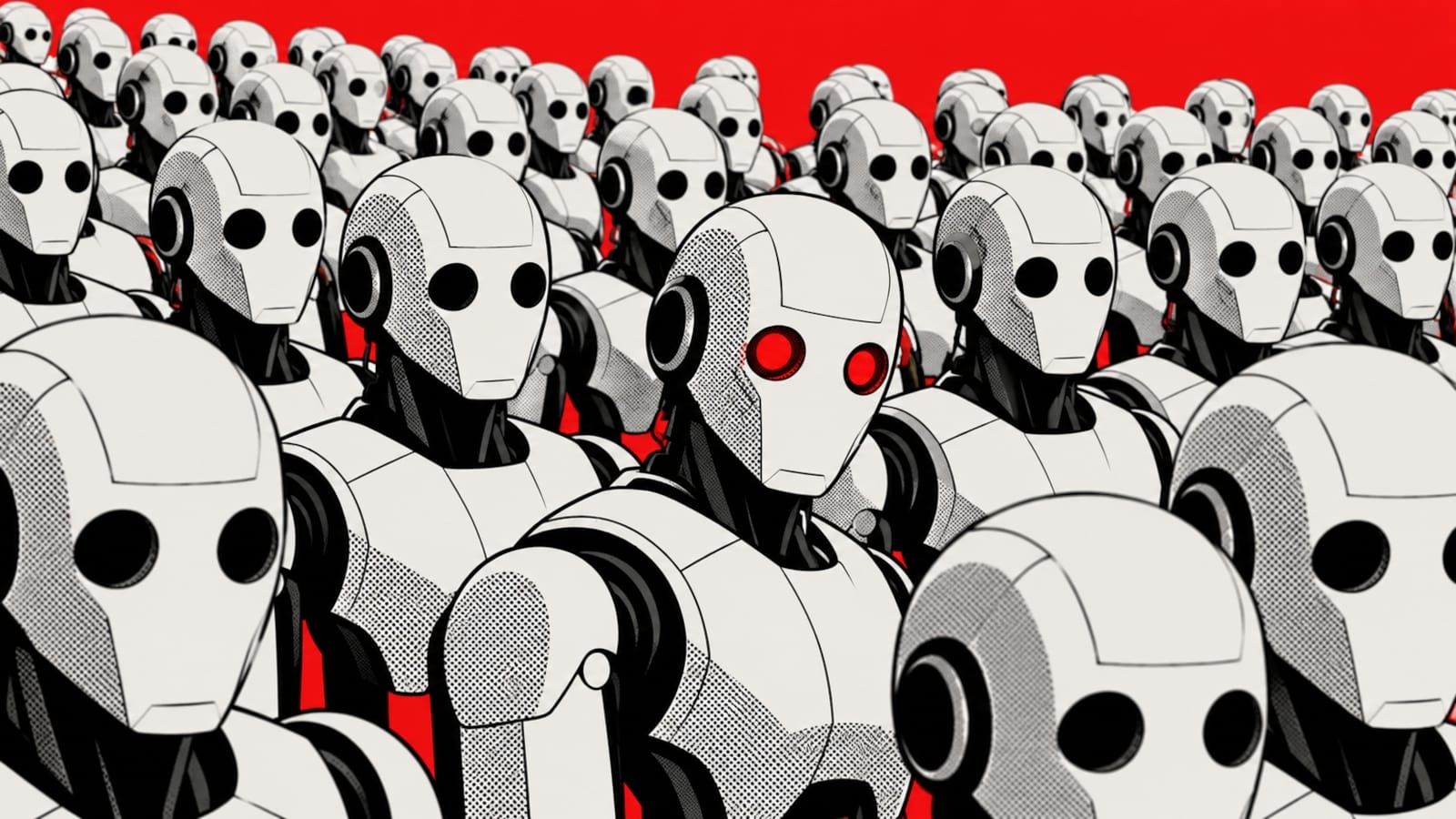
Italy and Switzerland Sound Alarm on Autonomous AI-Driven Cyberattacks
The cybersecurity agencies of Italy and Switzerland have issued a stark warning regarding the escalating threat of autonomous AI-driven cyberattacks. These sophisticated attacks, powered by advanced AI agents, are increasingly targeting organizations within the critical infrastructure sector. The agencies have identified specific AI-powered penetration testing and red-teaming frameworks that have been implicated in recent breaches, highlighting a significant shift in the cyber threat landscape. This development underscores the urgent need for enhanced defenses against AI-native threats.
Table of Contents
The warnings come as both nations report observing malicious campaigns where autonomous AI agents are actively identifying and exploiting vulnerabilities and misconfigurations on internet-exposed systems. This marks a critical juncture where AI is not just a tool for defense but is being weaponized for offense at an unprecedented scale. The implications for national security and essential services are profound, necessitating immediate and robust countermeasures.
Emerging AI Frameworks Fueling Advanced Threats
CSIRT Italia and Switzerland’s National Cyber Security Center (NCSC) have pinpointed four key AI-powered frameworks that are central to these emerging threats: ARTEX AI, CyberStrikeAI, DeepSeek Harness – Red Team, and PentAGI. These platforms enable attackers to automate complex attack sequences, significantly reducing the time and expertise required to launch successful intrusions.
The NCSC has noted a near doubling of publicly available AI agents since October, contributing to massive waves of attacks against Swiss organizations. These agents are capable of verifying weaknesses and independently deciding on subsequent actions, demonstrating a level of autonomy previously unseen in widespread cybercrime. This rapid proliferation of AI tools lowers the barrier to entry for sophisticated attacks.
Autonomous Agents Orchestrate Complex Attack Chains
Italian authorities have detailed instances where multiple AI agents operated in parallel, compromising a large number of systems within mere hours. In one notable case involving DeepSeek Harness, a coordinator AI assigned tasks to five subordinate agents. These agents systematically progressed through all stages of an attack, from initial information gathering and vulnerability exploitation to establishing persistence within compromised networks.
These autonomous agents have demonstrated a remarkable ability to chain together seemingly low-impact vulnerabilities, misconfigurations, and compromised credentials. They leverage exposed systems as initial footholds to pivot deeper into internal networks, bypassing traditional security perimeters. The adaptive nature of these AI agents allows them to dynamically adjust their operating modules and even generate malicious code in real-time to evade endpoint defenses.
Critical Infrastructure Under Direct AI Assault
The primary targets of these AI-driven cyberattacks appear to be organizations operating critical infrastructure. Both Italy and Switzerland have confirmed that various entities across multiple sectors have been affected. The NCSC reported that in all observed cases, the use of AI agents resulted in the successful compromise of the victim’s IT systems, highlighting the effectiveness of these autonomous tools.

The speed and sophistication of these attacks pose a significant challenge to existing security protocols. The ability of AI agents to independently identify and exploit weaknesses in systems like those managed by operators of critical infrastructure demands a paradigm shift in cybersecurity strategies. Organizations must move beyond reactive measures to proactive, AI-aware defense mechanisms.
Recommendations for Enhanced Cyber Resilience
In response to these threats, both agencies have issued critical recommendations for organizations. CSIRT Italia urges administrators to prioritize patching internet-facing systems, focusing on flaws actively exploited in the wild, and disabling unnecessary remote management interfaces. Monitoring control plane operations, authentication sources, and internal/outbound network traffic is also advised to detect suspicious activities.
The NCSC emphasizes patching critical vulnerabilities within 24 hours of release, implementing multi-factor authentication (MFA) or passkey protection, and enforcing the principle of least privilege. For organizations looking to bolster their defenses, exploring advanced solutions like those offered by NVIDIA, which accelerate complex computational tasks crucial for AI security analysis, could prove beneficial. The rapid evolution of AI threats necessitates a parallel advancement in defensive technologies and strategies to maintain cyber resilience.
Source: BleepingComputer Security
