Mechatronics Engineering: A New Frontier of Artistic Expression
The intersection of technology and art is constantly evolving, and mechatronics engineering is emerging as a powerful new medium for creative expression. Favor Brunner, a notable mechatronics engineer, exemplifies this trend by viewing the construction of complex systems not just as a technical challenge, but as a profound form of artistic creation. His journey, deeply rooted in a childhood fascination with Lego and a desire for interactive creations, highlights how personal passion can drive innovation.
Table of Contents
Brunner’s early experiences were significantly shaped by his uncle, a software engineer who introduced him to the world of Raspberry Pi. This early exposure to programmable hardware provided a tangible pathway from abstract ideas to real-world functionality. The ability to make objects move and interact with their environment transformed a childhood hobby into a serious pursuit.
From Childhood Dreams to Real-World Solutions
The path to mastering mechatronics engineering was not without its hurdles. Brunner’s mother played a pivotal role, enrolling him in an elementary school robotics program. When financial constraints arose, she ingeniously bartered her own artwork to secure his participation, underscoring the value placed on nurturing his burgeoning talent.
This foundational support allowed Brunner to explore his passion further. His initial encounter with Raspberry Pi came through a Kano kit around third grade. While his uncle assisted with the initial assembly due to his impatience, the experience of running games like Minecraft on a self-assembled computer was transformative.
It instilled a sense of agency, demystifying the computer and presenting it as a platform for understanding, building, and personal creation. This early interaction with accessible technology laid the groundwork for his future endeavors in mechatronics engineering.
The Genesis of a Robotics Channel and Community
Brunner’s popular robotics channel began as a simple platform to share his creations made from spare parts. The turning point arrived with the development of a deodorant dispenser designed for individuals with Parkinson’s disease. This project garnered significant attention, enabling him to crowdfund future initiatives focused on accessibility technology and other innovative ideas.
What started as a personal project log evolved into a powerful tool for connection. It allowed him to sustain his building efforts and engage with a community that shared his passion for creating impactful technology. This community support is crucial for advancing the field of mechatronics engineering.
Showcasing Raspberry Pi Projects and AI Integration
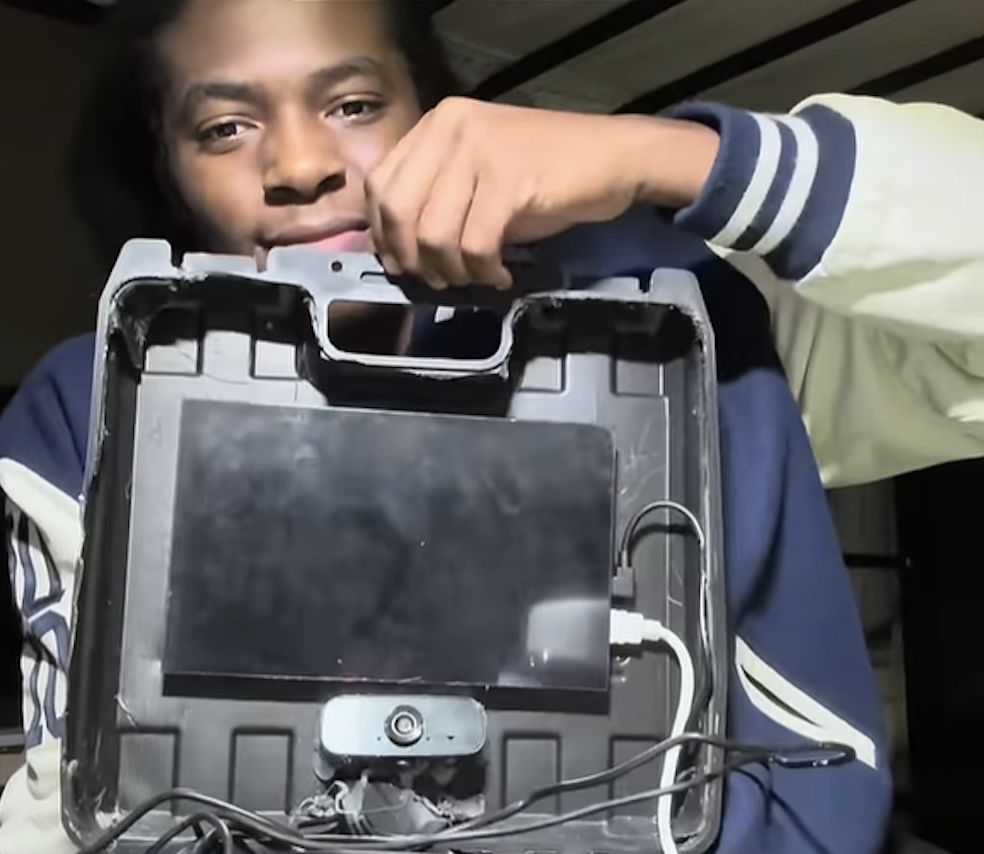
Among Brunner’s notable projects are “Run It Back NYC” and his AI chatbot, “Baymax.” Run It Back NYC addresses the common issue of unintelligible public transport announcements. Utilizing a Raspberry Pi and a Touch Display 2, the system transcribes, translates, and vocalizes these announcements, significantly improving accessibility for commuters.
This project holds personal significance, stemming from his own daily subway commutes and the frustration of missed information. It exemplifies how mechatronics engineering can solve everyday problems through thoughtful design and implementation. The inspiration was a direct response to the ubiquitous question, “Wait, what did they just say?”
His AI chatbot, Baymax, which ran entirely locally on his Raspberry Pi, served as a Mandarin tutor. This project offered a practical, cost-effective way to practice Chinese without a subscription service. It also provided invaluable hands-on experience with local AI processing, demonstrating the potential for edge AI applications in personal learning and development, much like the advancements seen in Edge AI for agriculture.
Engineering Trade-offs and Future Potential
Developing sophisticated mechatronics engineering projects requires careful consideration of hardware limitations and software capabilities. Brunner’s work with Raspberry Pi showcases the power of affordable, accessible computing platforms. However, the constraints of embedded systems, such as processing power and memory, necessitate efficient coding and clever architectural choices.

The decision to run the AI chatbot locally, for instance, highlights a trade-off between convenience and resource management. While cloud-based AI offers immense power, local processing ensures privacy and offline functionality, aligning with the growing trend of decentralized intelligence. This approach mirrors the innovation seen in projects like Linux running in a browser via Unkernel, pushing the boundaries of what’s possible on constrained hardware.
The success of projects like Run It Back NYC and Baymax demonstrates that impactful solutions don’t always require the most powerful hardware. Instead, they rely on a deep understanding of user needs, creative problem-solving, and the effective application of available technologies. This philosophy is central to the artistic aspect of mechatronics engineering.
Field Readiness and Verdict
Favor Brunner’s work powerfully illustrates that mechatronics engineering is far more than just assembling components; it is a vibrant field for artistic expression and impactful innovation. His projects, born from personal experience and a drive to create, offer tangible benefits, particularly in enhancing accessibility.
The use of Raspberry Pi as a core component in his builds underscores the democratization of technology, allowing individuals to create sophisticated solutions without prohibitive costs. This accessibility is key to fostering a new generation of engineers and artists.
Brunner’s dedication to solving real-world problems through creative engineering sets a high bar. His work serves as an inspiration, proving that with ingenuity and a passion for making, mechatronics engineering can indeed be a profound form of artistic expression, bringing both functional utility and aesthetic value to the world.
Source: Raspberry Pi News